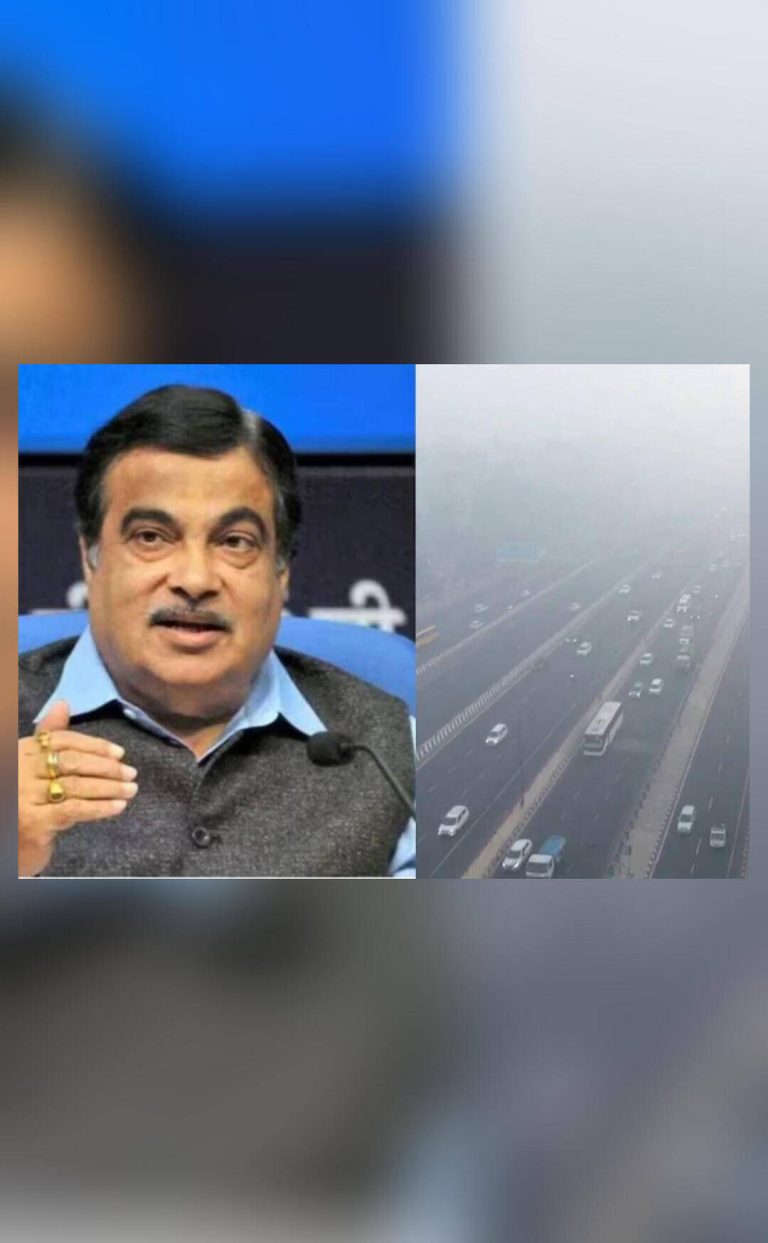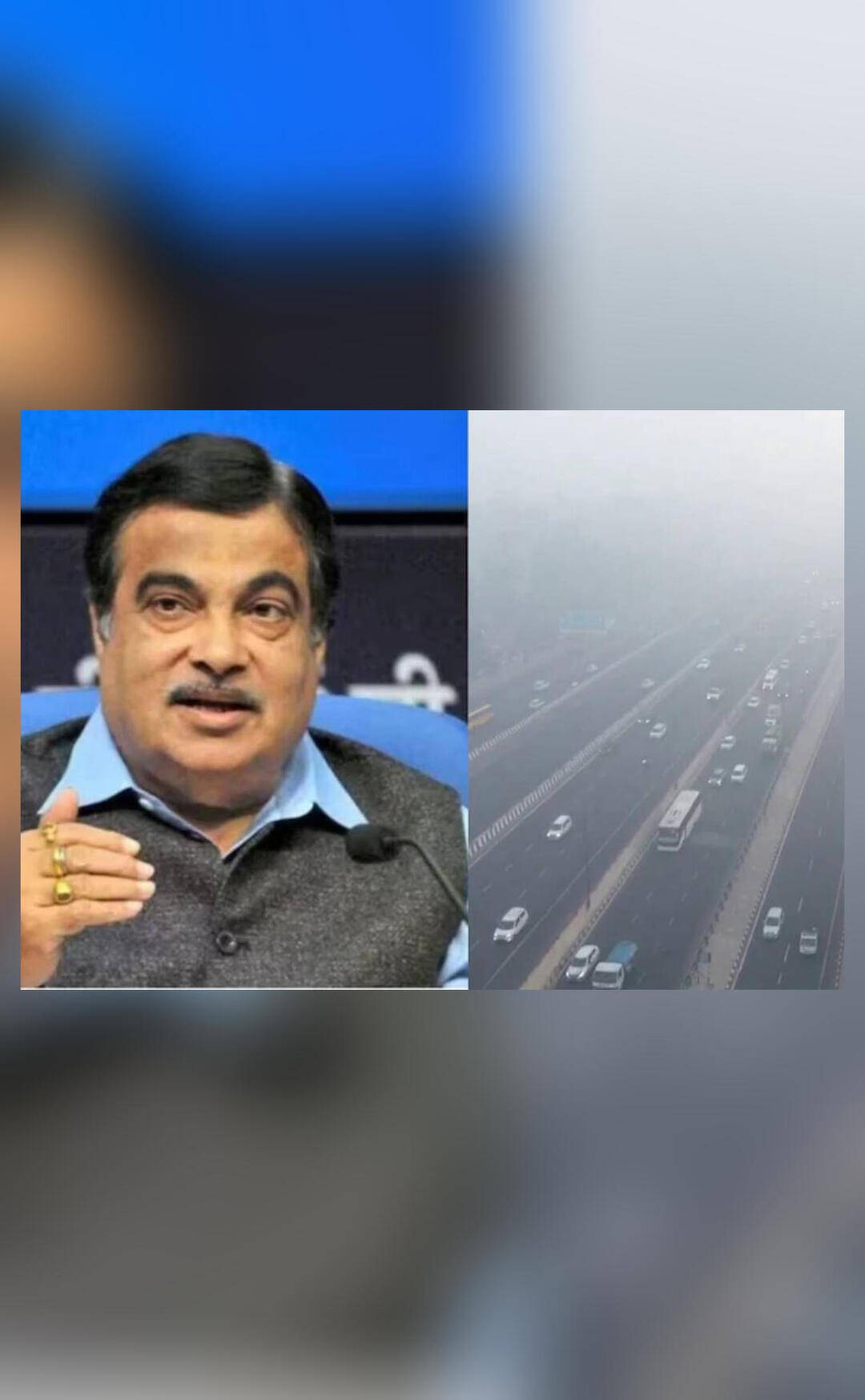
40% Pollution Linked to Our Sector: Transport Minister Gadkari
The issue of pollution has become a pressing concern in recent years, with many cities around the world struggling to maintain clean air and water. In India, the problem is particularly severe, with cities like Delhi and Mumbai often ranking among the most polluted in the world. Recently, Union Transport Minister Nitin Gadkari spoke out about the crisis, revealing that even a short stay in Delhi can have serious health consequences.
Gadkari, who is responsible for overseeing the country’s transportation sector, admitted that he develops a throat infection if he stays in Delhi for just two days. This shocking revelation highlights the severity of the pollution problem in the city, and the impact it can have on human health. But what’s even more striking is Gadkari’s acknowledgment that his own sector is a major contributor to the problem. “I’m the Road Transport Minister, and around 40 per cent of pollution is linked to our sector,” he said.
This statement is a significant admission, as it recognizes the role that transportation plays in contributing to pollution. The transportation sector is a major emitter of greenhouse gases, including carbon dioxide, methane, and nitrous oxide, which are all potent contributors to climate change. In addition, the sector is also a significant source of air pollutants, such as particulate matter, nitrogen oxides, and volatile organic compounds, which can have serious health impacts.
Gadkari’s comments come at a time when the Indian government is under increasing pressure to address the pollution crisis. The country has set ambitious targets to reduce its greenhouse gas emissions and transition to cleaner forms of energy, but progress has been slow. The transportation sector is a key area of focus, with the government aiming to promote the use of electric and hybrid vehicles, as well as improve the efficiency of public transportation systems.
But as Gadkari pointed out, the problem is not just about technology – it’s also about behavior. “Fossil fuels are limited, and pollution is increasing,” he said. “Can’t we reduce fossil fuel usage?” This is a crucial question, as it highlights the need for a fundamental shift in the way we think about energy and transportation. For too long, we have relied on fossil fuels to power our cars, trucks, and buses, without considering the long-term consequences.
The good news is that there are many alternatives to fossil fuels that are becoming increasingly viable. Electric vehicles, for example, are becoming more affordable and efficient, with many countries investing heavily in charging infrastructure. Similarly, hybrid vehicles and biofuels offer promising alternatives to traditional gasoline and diesel.
But to make a significant impact, we need to think bigger. We need to rethink our entire transportation system, from the way we design our cities to the way we travel. This means investing in public transportation, promoting walking and cycling, and encouraging the use of shared mobility services. It also means promoting sustainable land use practices, such as reducing sprawl and preserving green spaces.
Gadkari’s comments are a welcome acknowledgment of the problem, and a recognition of the need for action. As the Transport Minister, he has a critical role to play in shaping the country’s transportation policy and promoting sustainable practices. But it’s not just up to the government – we all have a responsibility to reduce our own carbon footprint and promote cleaner forms of energy.
So what can we do? For starters, we can make conscious choices about how we travel. We can use public transportation, walk, or cycle whenever possible, and avoid using cars for short trips. We can also support policies and initiatives that promote sustainable transportation, such as investing in electric vehicle charging infrastructure or promoting bike-sharing schemes.
Ultimately, addressing the pollution crisis will require a collective effort. It will require governments, businesses, and individuals to work together to promote sustainable practices and reduce our reliance on fossil fuels. It won’t be easy, but it’s a challenge we must rise to. As Gadkari said, “Can’t we reduce fossil fuel usage?” The answer is yes – we can, and we must.
About the Author