Would disown my son if he had Pakistan links: Assam CM
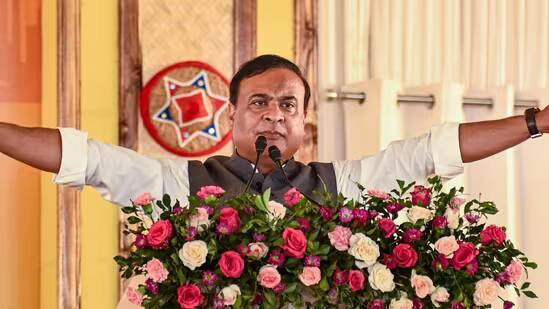
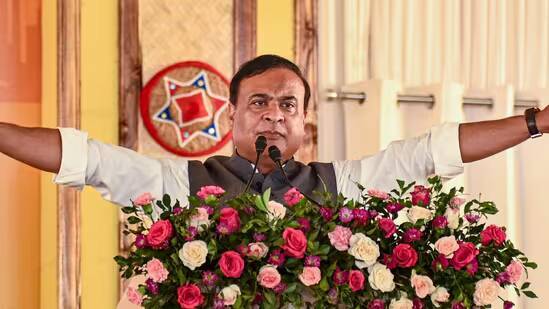
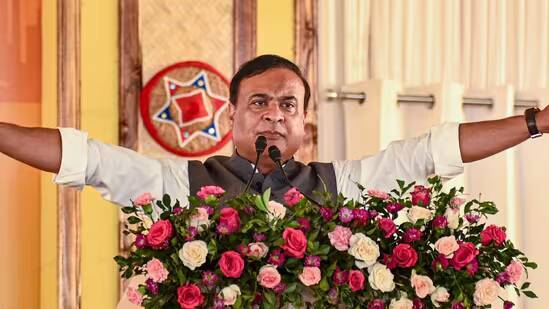
In a shocking statement, Assam Chief Minister Himanta Biswa Sarma has revealed that he would disown his own son if he had any ties with Pakistan. This statement comes as a bold claim from the Chief Minister, who has been vocal about his stance on national security and the country’s relations with its neighboring nations. The statement was made in an apparent reference to Congress MP Gaurav Gogoi’s wife, Elizabeth, who has been reported to have links with Pakistan.
The Assam CM’s statement has sparked a heated debate across the country, with many questioning the validity of his claim. Sarma asked whether a Congress leader, whose wife has links with Pakistan, would have the courage to disown her. This question has raised eyebrows, as it seems to be a direct attack on the Congress party and its leaders. The Chief Minister’s statement has also led to a discussion on the importance of national loyalty and the consequences of having ties with a country that has been at odds with India for decades.
Sarma’s statement was clear and direct, leaving no room for misinterpretation. “If one becomes Pakistani…how can I have relation with them?” he asked. This statement highlights the Chief Minister’s strong stance on national security and his commitment to upholding the country’s interests. It also raises questions about the implications of having ties with Pakistan, a country that has been accused of sponsoring terrorism and destabilizing the region.
The Congress party has yet to respond to Sarma’s statement, but it is likely that they will face intense scrutiny in the coming days. The party has been accused of being soft on Pakistan and its leaders have faced criticism for their handling of national security issues. The statement has also sparked a debate on the role of politicians and their families in maintaining national loyalty.
In recent years, there have been several instances of Indian citizens having ties with Pakistan, which have raised concerns about national security. The issue has been a contentious one, with many calling for stricter laws and regulations to prevent such ties. The government has also taken steps to strengthen national security, including the introduction of new laws and regulations.
However, the issue of having ties with Pakistan is complex and multifaceted. While some may argue that having ties with Pakistan is a threat to national security, others may argue that it is essential for building bridges and promoting people-to-people diplomacy. The issue requires a nuanced approach, taking into account the complexities of international relations and the need to balance national security with diplomatic efforts.
Sarma’s statement has also raised questions about the role of family and personal relationships in politics. The Chief Minister’s willingness to disown his own son if he had ties with Pakistan highlights the importance of national loyalty and the need for politicians to prioritize the country’s interests. However, it also raises questions about the impact of such statements on personal relationships and the well-being of families.
In conclusion, the Assam CM’s statement has sparked a heated debate on national loyalty and the implications of having ties with Pakistan. While the statement has been criticized by some, it has also been praised by others for its boldness and commitment to national security. The issue is complex and multifaceted, requiring a nuanced approach that takes into account the complexities of international relations and the need to balance national security with diplomatic efforts.
As the debate continues, it is essential to consider the implications of such statements on personal relationships and the well-being of families. The role of politicians and their families in maintaining national loyalty is crucial, and it is essential to prioritize the country’s interests while also considering the human impact of such decisions.
About the Author