40% Pollution Linked to Our Sector: Transport Minister Gadkari
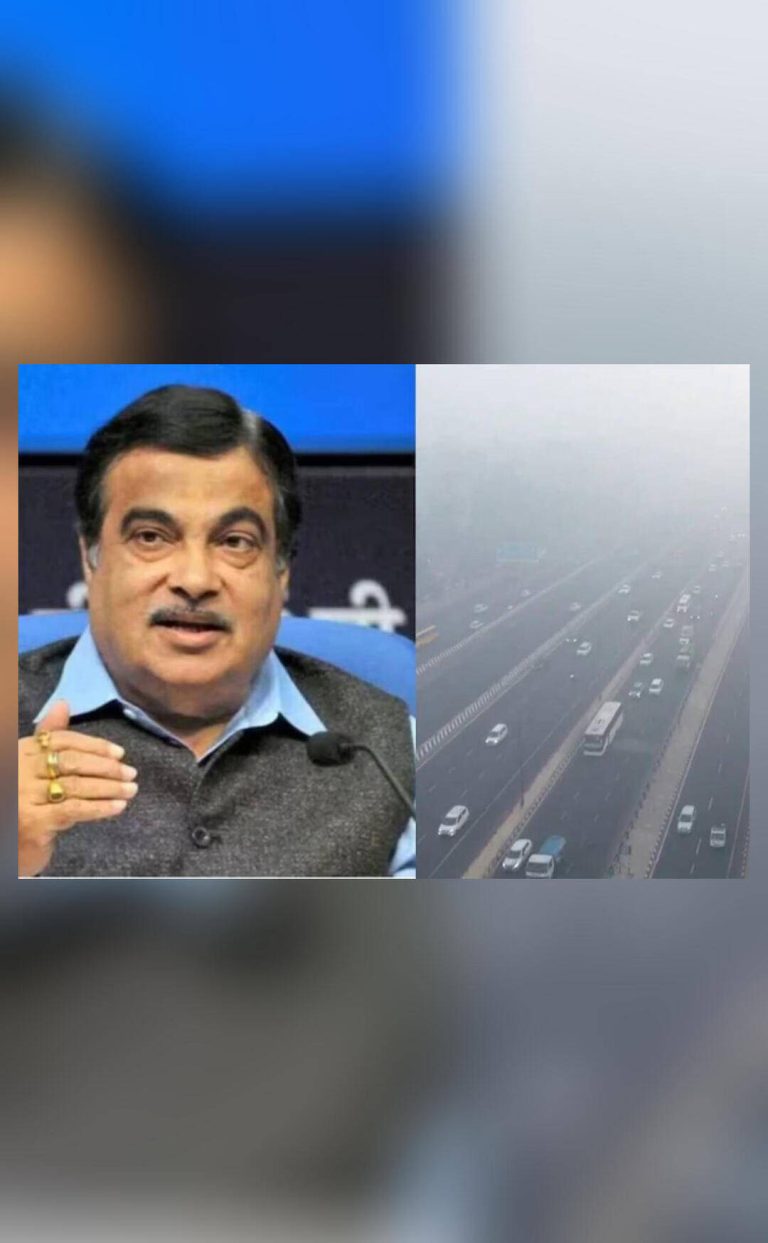
The issue of pollution has become a major concern in India, particularly in the national capital, Delhi. The city’s air quality has been deteriorating over the years, and it has become a significant health hazard for its residents. Recently, Union Transport Minister Nitin Gadkari spoke about the city’s pollution problem, revealing that even he is not immune to its effects. According to Gadkari, if he stays in Delhi for just two days, he develops a throat infection. This statement highlights the severity of the pollution problem in the city and the need for urgent action to address it.
Gadkari, who is the Road Transport Minister, acknowledged that a significant portion of pollution is linked to his sector. He stated that around 40% of pollution is caused by the transport sector, which is a staggering figure. This admission is significant, as it shows that the government is aware of the role that the transport sector plays in contributing to pollution. Gadkari’s statement also underscores the need for the transport sector to reduce its reliance on fossil fuels, which are a major contributor to pollution.
The Minister’s comments come at a time when the Indian government is facing increasing pressure to address the pollution problem in Delhi. The city’s air quality has been consistently poor, with high levels of particulate matter, nitrogen dioxide, and other pollutants. The situation is so severe that it has been described as a public health emergency. The government has been criticized for its handling of the crisis, with many arguing that it has not done enough to address the root causes of pollution.
Gadkari’s statement is significant because it highlights the need for a multi-faceted approach to addressing pollution. The transport sector is just one of the many contributors to pollution, and addressing it will require a comprehensive strategy that involves multiple stakeholders. This includes not just the government, but also private companies, civil society organizations, and individuals.
One of the key ways to reduce pollution from the transport sector is to promote the use of cleaner fuels and technologies. This could include the use of electric vehicles, hybrid vehicles, and other alternative fuels. The government has already taken some steps in this direction, such as launching the FAME (Faster Adoption and Manufacturing of Electric Vehicles) scheme, which provides incentives for the adoption of electric vehicles. However, more needs to be done to promote the use of cleaner fuels and technologies, particularly in the public transport sector.
Another way to reduce pollution from the transport sector is to improve the efficiency of vehicles and reduce emissions. This could involve implementing stricter emission standards, improving fuel efficiency, and promoting the use of cleaner fuels. The government has already implemented some measures in this direction, such as the Bharat Stage VI (BS-VI) emission standards, which are designed to reduce emissions from vehicles. However, more needs to be done to ensure that vehicles are designed and manufactured with pollution reduction in mind.
Gadkari’s statement also highlights the need for a shift in mindset when it comes to addressing pollution. For too long, pollution has been seen as an inevitable consequence of economic growth and development. However, this mindset is no longer tenable, particularly in a country like India, where the costs of pollution are being felt acutely. The government needs to prioritize pollution reduction and take concrete steps to address the problem.
In addition to the transport sector, other sectors also need to take responsibility for reducing pollution. This includes the industrial sector, the agricultural sector, and the construction sector, among others. Each of these sectors has a significant impact on pollution, and addressing the problem will require a coordinated effort from all of them.
In conclusion, Gadkari’s statement highlights the severity of the pollution problem in India and the need for urgent action to address it. The transport sector is a significant contributor to pollution, and reducing its impact will require a comprehensive strategy that involves multiple stakeholders. The government needs to prioritize pollution reduction and take concrete steps to address the problem, including promoting the use of cleaner fuels and technologies, improving the efficiency of vehicles, and reducing emissions. Only through a coordinated effort can we hope to reduce pollution and create a healthier, more sustainable environment for all.
About the Author