Epstein claimed cellmate tried to kill him weeks before suicide
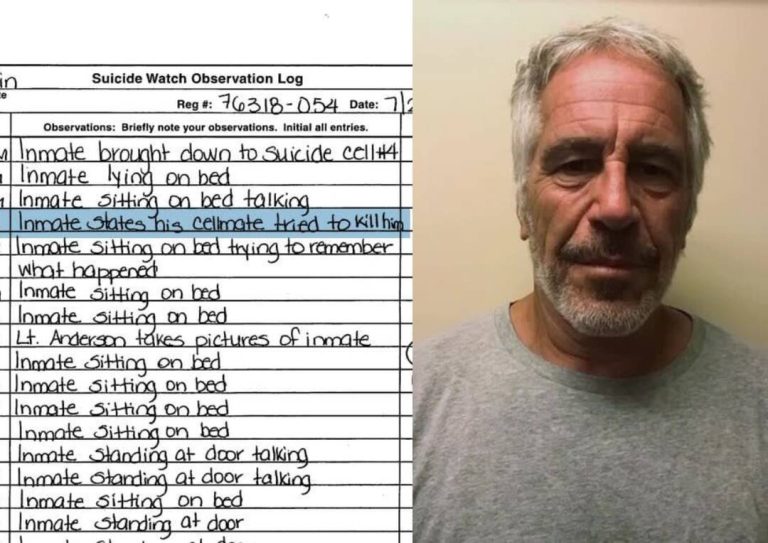
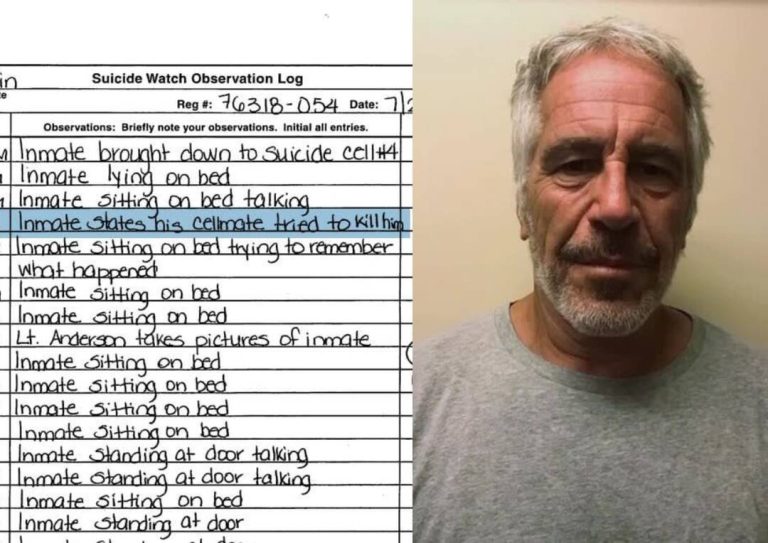
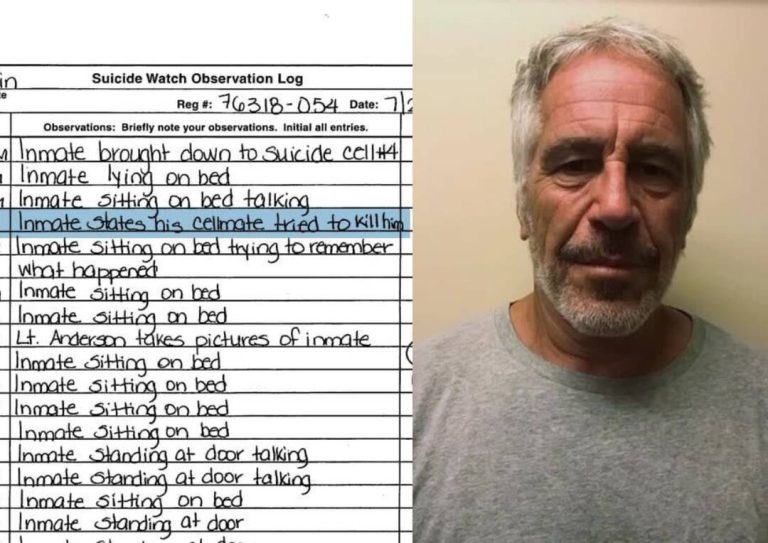
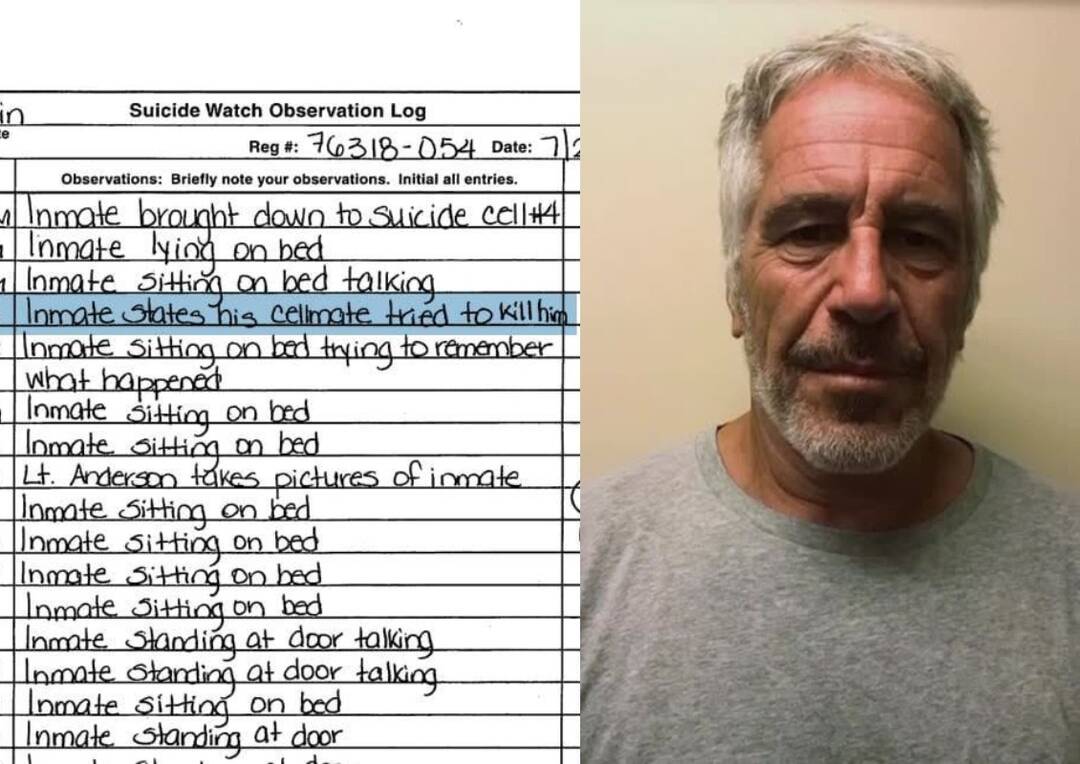
A shocking revelation has come to light in the case of Jeffrey Epstein, the disgraced financier who died by suicide in his prison cell on August 10, 2019. According to a newly released document, Epstein had claimed that his life was in danger while he was being held at New York’s Metropolitan Correctional Center. The document, which is a suicide watch observation log dated July 23, 2019, reveals that Epstein told the guards that his “cellmate tried to kill him.”
This disturbing claim has raised more questions about the circumstances surrounding Epstein’s death and the safety of his confinement. Epstein was being held at the Metropolitan Correctional Center (MCC) in Manhattan, awaiting trial on federal sex trafficking charges. The wealthy financier had been accused of sexually abusing and exploiting dozens of underage girls, and his case had sparked widespread outrage and anger.
The suicide watch observation log, which was obtained by the media, provides a chilling insight into Epstein’s state of mind in the weeks leading up to his death. On July 23, 2019, Epstein reportedly told the guards that he had been attacked by his cellmate, who had tried to kill him. This incident allegedly occurred just a few days after Epstein had been taken off suicide watch, despite having been placed on it after he was found unresponsive in his cell on July 18, 2019.
The fact that Epstein claimed to have been attacked by his cellmate raises serious concerns about the safety and security of the prison. It is unclear why Epstein was not provided with additional protection or placed in a solitary cell after making this claim. Furthermore, it is disturbing to think that Epstein may have been subjected to violence or threats while in custody, which could have contributed to his decision to take his own life.
Epstein’s death on August 10, 2019, was met with widespread shock and anger. The 66-year-old financier was found unresponsive in his cell at the MCC, and attempts to revive him were unsuccessful. The New York City medical examiner’s office later confirmed that Epstein had died by hanging, and the death was ruled a suicide.
However, many questions still remain about the circumstances surrounding Epstein’s death. The MCC has faced intense scrutiny over its handling of Epstein’s confinement, including allegations of negligence and incompetence. The prison has been accused of failing to follow proper protocols and procedures, which may have contributed to Epstein’s death.
In the aftermath of Epstein’s death, Attorney General William Barr ordered an investigation into the circumstances surrounding his confinement and death. The investigation, which is being conducted by the Federal Bureau of Investigation (FBI) and the Department of Justice’s Inspector General, is ongoing.
The release of the suicide watch observation log has added fuel to the fire, with many calling for greater transparency and accountability in the Epstein case. The document has raised more questions about the MCC’s handling of Epstein’s confinement and the safety of his cell.
As the investigation into Epstein’s death continues, it is essential that all relevant information is made available to the public. The American people have a right to know the truth about what happened to Jeffrey Epstein, and how he was treated while in custody. The release of the suicide watch observation log is a step in the right direction, but more needs to be done to ensure that justice is served.
In conclusion, the revelation that Jeffrey Epstein claimed his cellmate tried to kill him weeks before his suicide is a shocking and disturbing development in the Epstein case. The fact that Epstein made this claim and was not provided with additional protection or support raises serious concerns about the safety and security of the prison. As the investigation into Epstein’s death continues, it is essential that all relevant information is made available to the public, and that those responsible for any wrongdoing are held accountable.
Source:
https://x.com/RT_com/status/2003481661619732852
About the Author