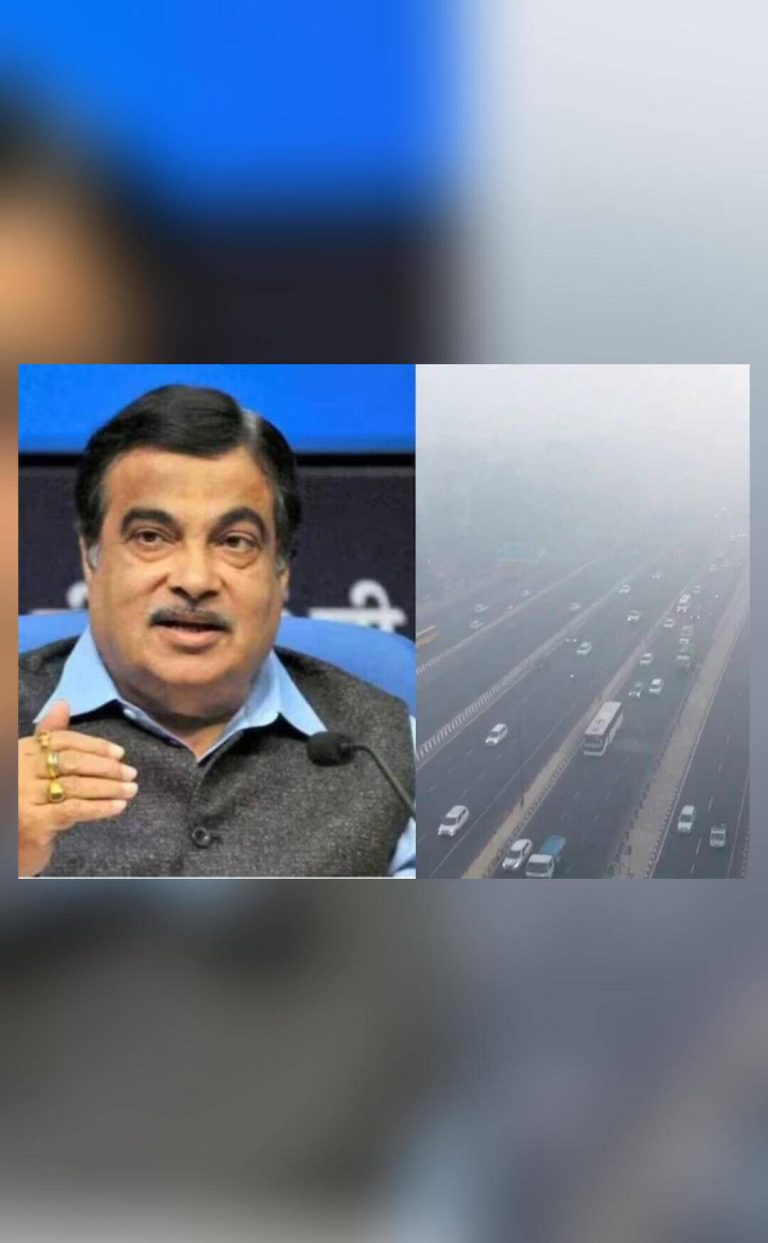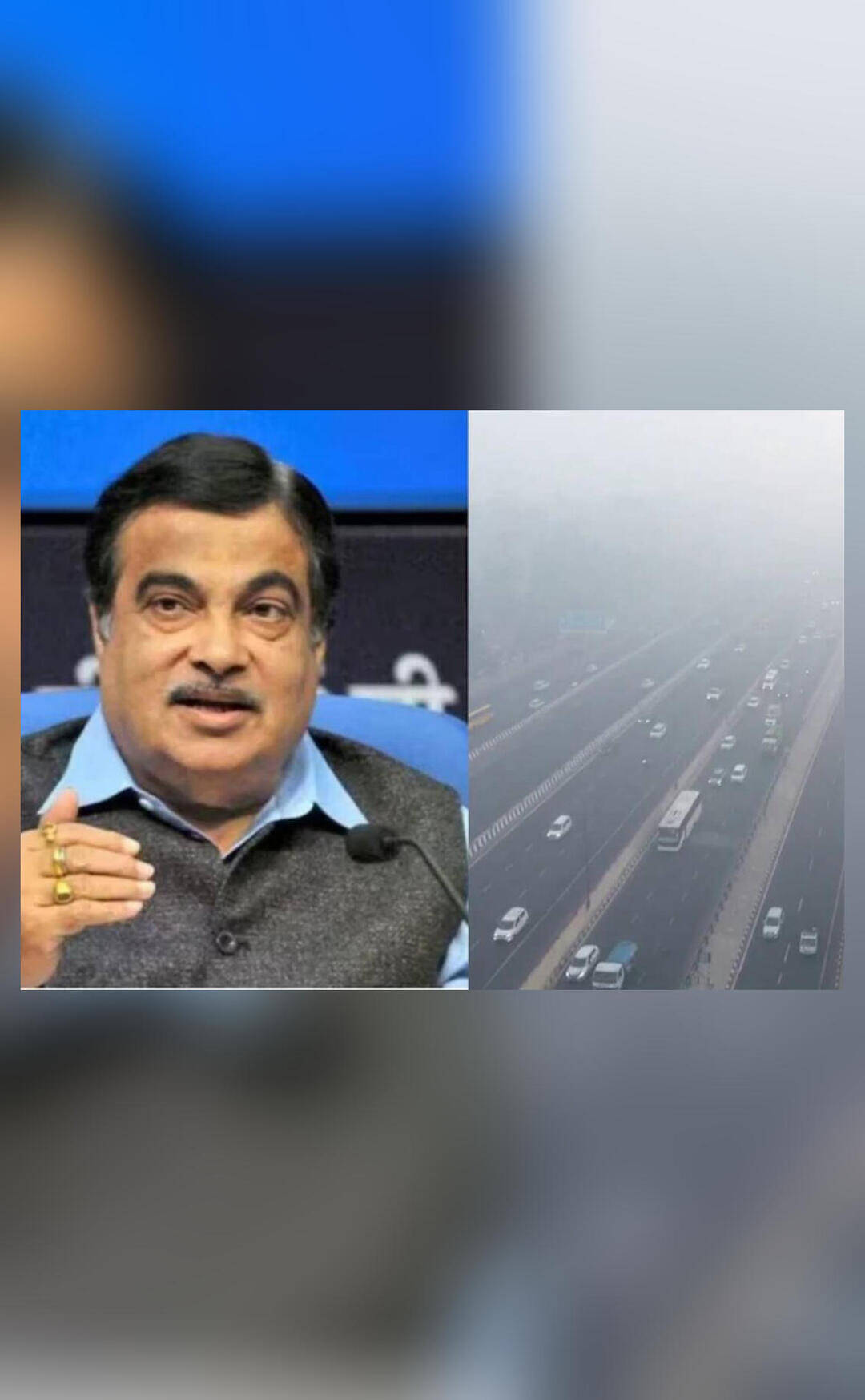
40% Pollution Linked to Our Sector: Transport Minister Gadkari
The issue of pollution has become a major concern in recent years, particularly in urban areas like Delhi. The capital city of India has been struggling with severe air pollution, which has become a regular phenomenon during the winter months. The situation is so dire that even the Union Transport Minister, Nitin Gadkari, has admitted that he develops a throat infection if he stays in Delhi for just two days. This statement is significant, especially considering that Gadkari is the Road Transport Minister, and his ministry is directly related to the pollution caused by vehicles.
Gadkari’s statement highlights the severity of the pollution problem in Delhi and the role that the transport sector plays in contributing to it. According to him, around 40% of pollution is linked to the transport sector, which is a staggering figure. This means that almost half of the pollution in Delhi can be attributed to the vehicles plying on its roads. The fact that the transport sector is a major contributor to pollution is not surprising, given the large number of vehicles on the roads, but the magnitude of the problem is alarming.
The transport minister’s admission is a clear indication that the government is aware of the problem and is willing to take steps to address it. Gadkari’s statement is not just a concern about the health impacts of pollution but also a call to action to reduce the dependence on fossil fuels. He emphasized that fossil fuels are limited, and pollution is increasing, which means that the current approach to transportation is unsustainable. The question he posed, “Can’t we reduce fossil fuel usage?” is a rhetorical one, and the answer is obvious. Yes, we can, and we must reduce our dependence on fossil fuels to mitigate the pollution problem.
The transport sector is one of the largest consumers of fossil fuels, and it is also one of the biggest contributors to greenhouse gas emissions. The burning of fossil fuels releases harmful pollutants into the air, including particulate matter, nitrogen oxides, and volatile organic compounds. These pollutants can cause a range of health problems, from respiratory diseases to cardiovascular diseases. The fact that Gadkari develops a throat infection after just two days in Delhi is a testament to the severity of the pollution problem.
The good news is that there are alternatives to fossil fuels that can help reduce pollution. Electric vehicles, for example, are a cleaner and more sustainable option. They produce zero tailpipe emissions, which means that they do not contribute to air pollution. The government has already announced plans to promote the use of electric vehicles, and several automakers have launched electric models in the Indian market. However, the adoption of electric vehicles is still slow, and more needs to be done to encourage people to switch to cleaner modes of transportation.
Another solution is to improve public transportation. A well-planned and efficient public transportation system can reduce the number of private vehicles on the road, which in turn can reduce pollution. The government has already launched several initiatives to improve public transportation, including the expansion of the metro rail network and the introduction of bus rapid transit systems. However, more needs to be done to make public transportation a viable option for commuters.
In addition to these measures, there is a need to promote non-motorized transportation, such as walking and cycling. These modes of transportation are not only cleaner but also healthier. They can help reduce the number of vehicles on the road, which can reduce pollution and congestion. The government can promote non-motorized transportation by investing in pedestrian-friendly and cycling-friendly infrastructure.
In conclusion, the statement made by Union Transport Minister Nitin Gadkari highlights the severity of the pollution problem in Delhi and the role that the transport sector plays in contributing to it. The fact that around 40% of pollution is linked to the transport sector is a wake-up call for the government and the public to take action. Reducing our dependence on fossil fuels and promoting cleaner modes of transportation are essential steps to mitigate the pollution problem. The government has already announced plans to promote electric vehicles and improve public transportation, but more needs to be done to address this issue. It is time for us to take collective action to reduce pollution and create a healthier and more sustainable environment.
About the Author