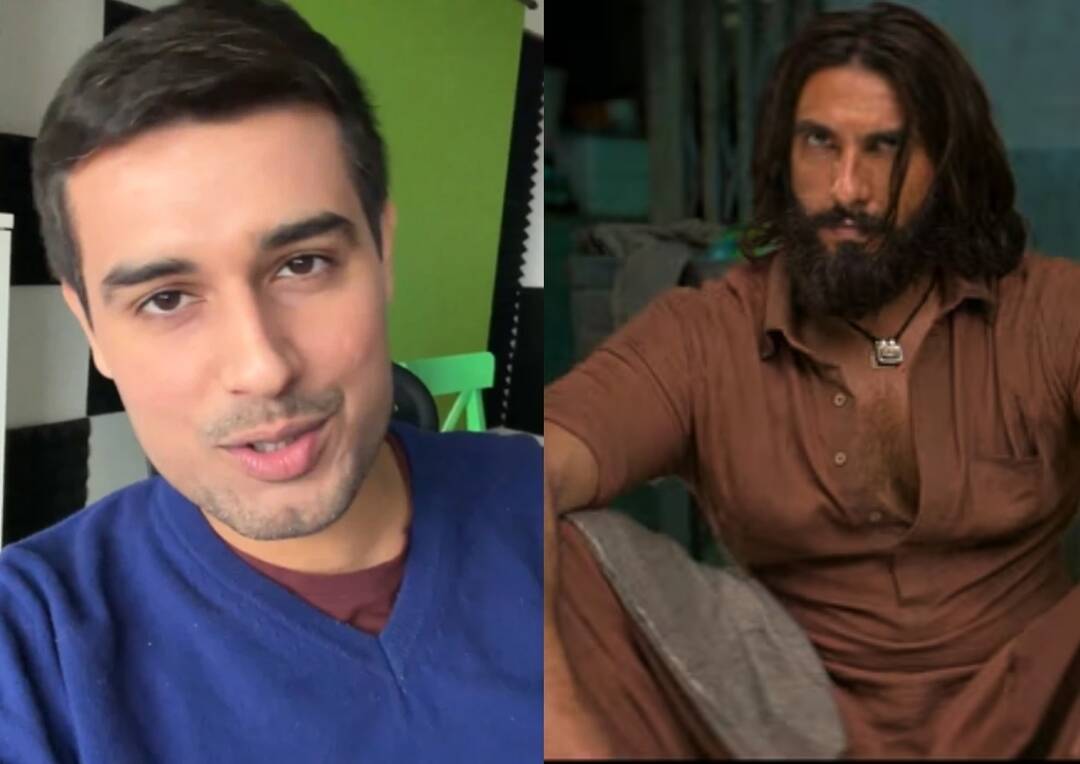
Congrats on views: Dhurandhar actor Naveen on Dhruv Rathee review
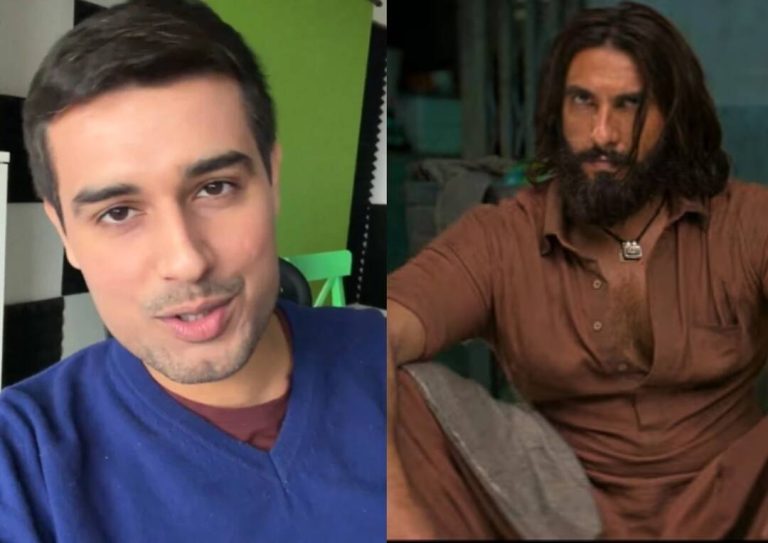
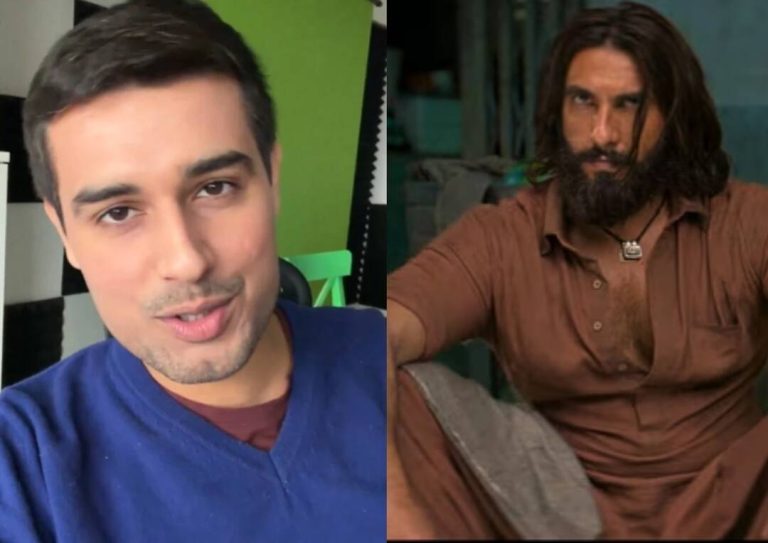
The world of cinema and social media often collide, sparking intense debates and discussions. Recently, the film “Dhurandhar” found itself at the center of a controversy when YouTuber Dhruv Rathee criticized the movie, calling it out for spreading “false propaganda.” The film’s actor, Naveen Kaushik, who played the role of “Donga,” has now responded to Rathee’s criticism, offering a witty remark that has caught the attention of many.
In an interview, Naveen Kaushik shared his thoughts on Dhruv Rathee’s review, stating, “He’s an opinionated person. I’m associated with the film, I don’t agree with him. He got some views because of us, congratulations.” This response not only showcases Naveen’s confidence in the film but also highlights the complexities of the relationship between cinema, social media, and public opinion.
Dhruv Rathee, known for his opinionated content on YouTube, had previously slammed “Dhurandhar” for its alleged propagation of false information. He also targeted the film’s director, Aditya Dhar, labeling him a “propagandist.” Rathee’s criticism sparked a heated debate, with some agreeing with his assessment and others defending the film. Naveen Kaushik’s response, however, has added a new layer to the discussion, shifting the focus from the film’s content to the dynamics of social media and public discourse.
The comment “He got some views because of us, congratulations” is particularly noteworthy, as it underscores the intricate relationship between social media influencers, content creators, and the subjects of their criticism. By acknowledging that Dhruv Rathee’s video gained views due to the controversy surrounding “Dhurandhar,” Naveen Kaushik is, in essence, pointing out the symbiotic nature of online discourse. It highlights how social media platforms thrive on controversy, debate, and discussion, often blurring the lines between genuine critique and attention-seeking tactics.
This phenomenon is not unique to the Indian film industry or social media landscape. Globally, we have seen instances where criticism or controversy surrounding a film, book, or artwork has inadvertently contributed to its popularity or increased its visibility. The age-old adage “any publicity is good publicity” seems to hold true in the digital age, where online platforms amplify voices, opinions, and debates.
Naveen Kaushik’s response also raises questions about the role of actors and filmmakers in responding to criticism. In an era where social media has democratized opinion-sharing, it is not uncommon for celebrities and content creators to engage with their critics directly. This can lead to a more nuanced understanding of the issues at hand, as well as a deeper connection between the creators and their audience. However, it also risks escalating controversies, perpetuating echo chambers, and distracting from the core issues being discussed.
The debate surrounding “Dhurandhar” and Dhruv Rathee’s criticism serves as a microcosm for the broader discussions happening in the Indian film industry and social media landscape. As content creators, filmmakers, and actors navigate the complexities of online discourse, they must consider the implications of their words and actions. By responding to criticism in a thoughtful and measured manner, they can contribute to a more informed and respectful conversation, one that acknowledges the diversity of opinions and perspectives.
In conclusion, the exchange between Naveen Kaushik and Dhruv Rathee offers a fascinating glimpse into the intricacies of social media, cinema, and public discourse. As we continue to navigate the ever-evolving landscape of online opinion-sharing, it is essential to recognize the interconnectedness of these spheres and the impact they have on our perceptions, attitudes, and beliefs. By engaging with criticism in a constructive and respectful manner, we can foster a more nuanced understanding of the issues at hand and promote a culture of open, informed discussion.
About the Author