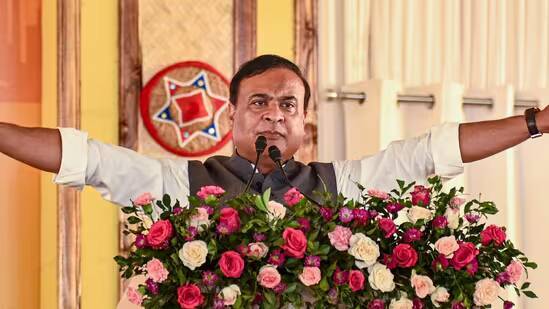
Would disown my son if he had Pakistan links: Assam CM
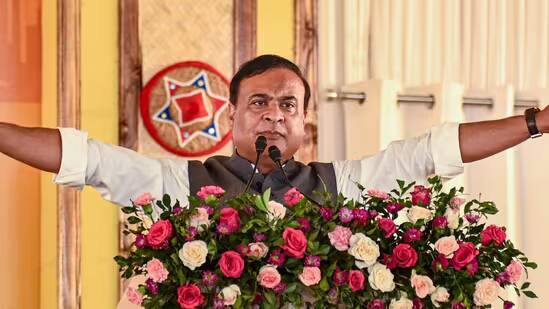
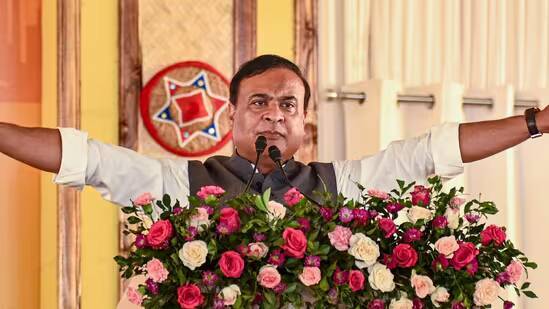
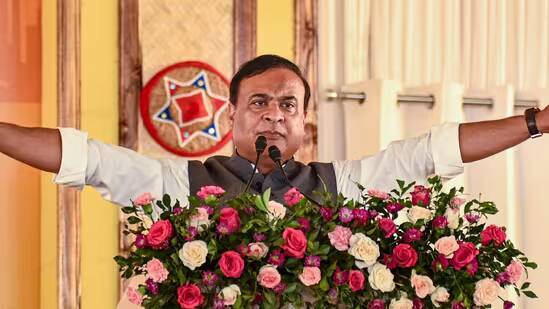
In a recent statement, Assam Chief Minister Himanta Biswa Sarma made a bold claim that has sparked controversy and debate across the country. Speaking at a public event, Sarma declared that he would disown his own son if he were to have any ties with Pakistan. This statement was made in an apparent reference to Congress MP Gaurav Gogoi’s wife, Elizabeth, who has been reported to have links with Pakistan.
Sarma’s statement has raised eyebrows and prompted questions about the extent to which one’s personal relationships should be influenced by national loyalty and patriotism. The Assam CM’s words were unambiguous, leaving no room for doubt about his stance on the matter. “If one becomes Pakistani…how can I have relation with them?” he asked, emphasizing the gravity of the situation.
The context of Sarma’s statement is crucial in understanding the motivations behind his words. The reference to Gaurav Gogoi’s wife, Elizabeth, is significant, as it suggests that Sarma is attempting to draw a parallel between personal relationships and national loyalty. By questioning whether Congress leader Gogoi would have the courage to disown his wife if she had links with Pakistan, Sarma is implying that those who associate with individuals from Pakistan are somehow less patriotic or even traitorous.
This line of thinking is problematic, as it oversimplifies the complexities of international relationships and reduces them to simplistic notions of loyalty and betrayal. It also raises questions about the role of personal relationships in shaping one’s identity and sense of belonging. Can a person’s relationships with individuals from another country truly define their loyalty to their own nation?
Sarma’s statement has also been criticized for its potential to create divisions and fuel xenophobia. By implying that anyone with ties to Pakistan is somehow suspect or disloyal, Sarma’s words may contribute to a climate of fear and mistrust towards individuals from other countries. This is particularly concerning in a country like India, which has a long history of cultural and economic exchange with its neighbors, including Pakistan.
Furthermore, Sarma’s statement raises important questions about the nature of citizenship and belonging. If a person’s relationships with individuals from another country can be seen as a threat to their loyalty to their own nation, what does this say about the concept of citizenship and national identity? Does it mean that individuals who have relationships with people from other countries are somehow less Indian or less patriotic?
In conclusion, Assam CM Himanta Biswa Sarma’s statement that he would disown his son if he had ties with Pakistan has sparked a heated debate about loyalty, patriotism, and personal relationships. While Sarma’s words may be seen as a demonstration of his commitment to national loyalty, they also raise important questions about the complexities of international relationships and the nature of citizenship and belonging. As we navigate these complex issues, it is essential to approach them with nuance and sensitivity, rather than relying on simplistic or xenophobic rhetoric.
About the Author