40% Pollution Linked to Our Sector: Transport Minister Gadkari
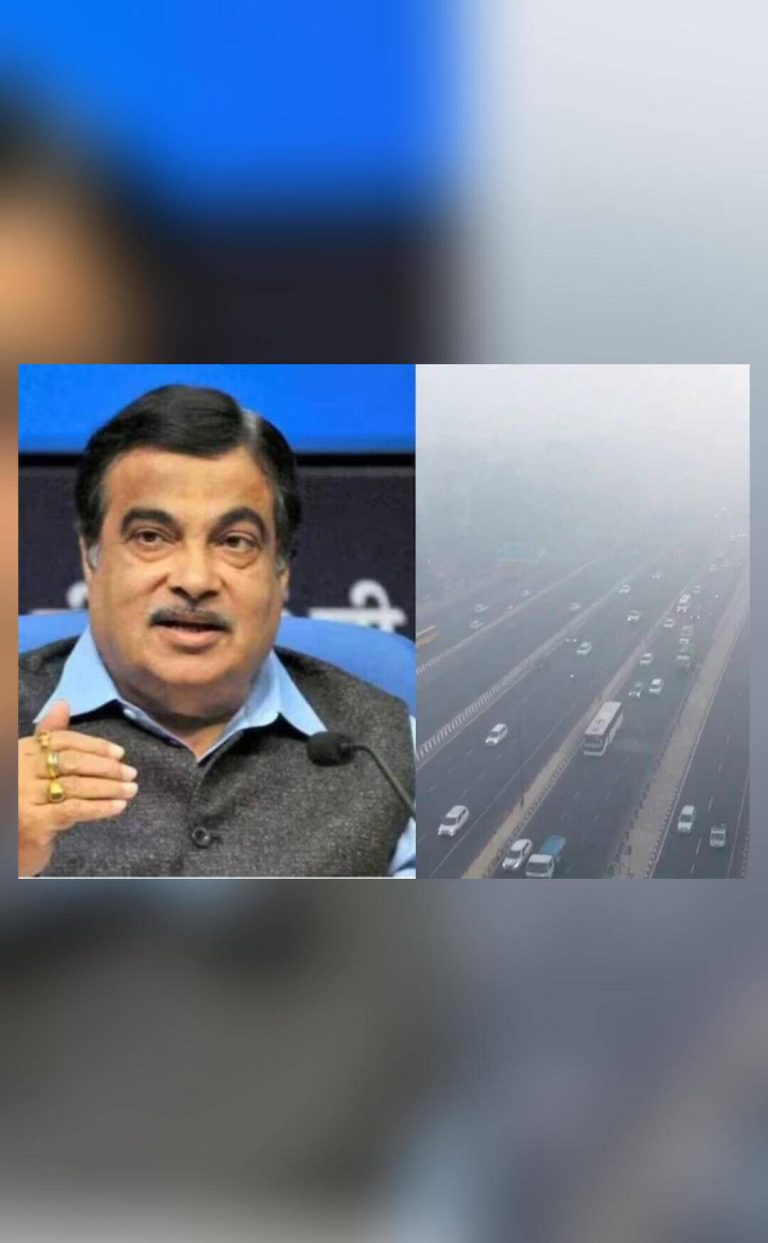
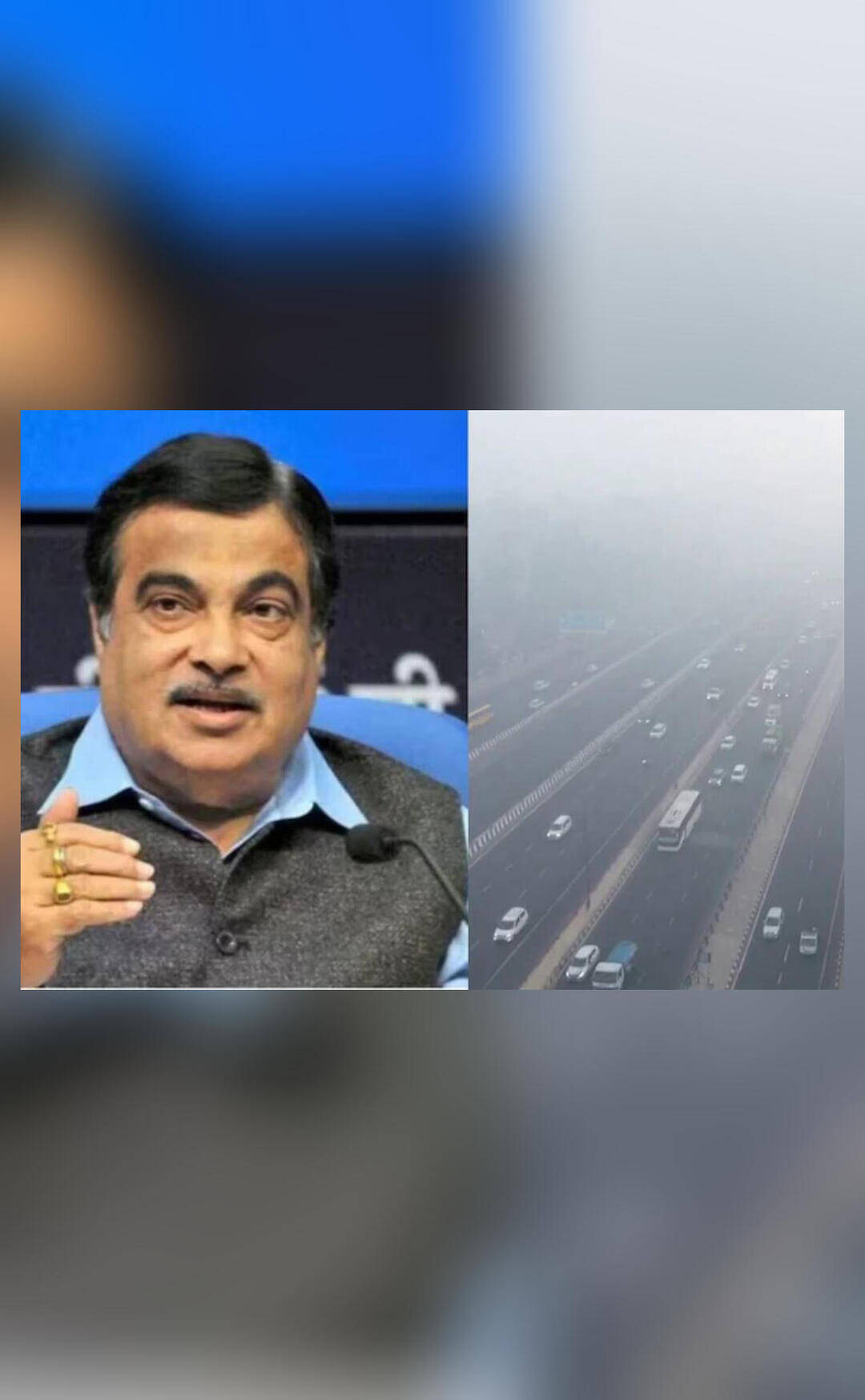
The issue of pollution, particularly in the national capital Delhi, has been a pressing concern for quite some time now. The city’s air quality has been deteriorating, causing health problems for its residents. Recently, Union Transport Minister Nitin Gadkari spoke about the alarming levels of pollution in Delhi, stating that even a short stay in the city affects his health. “I’m the Road Transport Minister, and around 40 per cent of pollution is linked to our sector,” he said, highlighting the significant contribution of the transport sector to the pollution problem.
Gadkari’s remarks came as a surprise, given his position as the Transport Minister. However, it’s a testament to his willingness to acknowledge the harsh reality of the situation and take responsibility for the role his sector plays in exacerbating the pollution crisis. The minister’s personal experience of developing a throat infection after just a two-day stay in Delhi underscores the severity of the issue. It’s not just the common people who are suffering; even those in positions of power are not immune to the adverse effects of pollution.
The transport sector, which includes vehicles, trucks, buses, and other modes of transportation, is indeed a significant contributor to pollution. The burning of fossil fuels, such as petrol and diesel, releases harmful emissions, including particulate matter, nitrogen oxides, and carbon monoxide, into the atmosphere. These pollutants can cause respiratory problems, cardiovascular disease, and even cancer. The fact that 40% of pollution is linked to the transport sector is a stark reminder of the need to rethink our transportation policies and explore alternative, cleaner options.
Gadkari’s remarks also highlight the limitations of fossil fuels and the urgent need to reduce their usage. “Fossil fuels are limited, and pollution is increasing. Can’t we reduce fossil fuel usage?” he asked, emphasizing the importance of finding sustainable solutions to the pollution problem. The transport sector is not only a significant contributor to pollution but also a major consumer of fossil fuels. As the world’s energy needs continue to grow, it’s essential to transition to cleaner, more sustainable energy sources to mitigate the impacts of climate change and air pollution.
The Indian government has already taken some steps to address the pollution crisis, including the introduction of BS-VI emission norms, which aim to reduce particulate matter emissions from vehicles. However, more needs to be done to address the scale and complexity of the problem. The government could consider incentivizing the adoption of electric vehicles, improving public transportation systems, and promoting non-motorized transport, such as cycling and walking.
In addition to these measures, there is a need for a more holistic approach to addressing pollution. This could involve collaboration between different government departments, private sector companies, and civil society organizations to develop and implement sustainable solutions. The transport sector, in particular, requires a multifaceted approach that takes into account the needs of different stakeholders, including vehicle manufacturers, fuel suppliers, and end-users.
As the country continues to grapple with the pollution crisis, it’s heartening to see leaders like Gadkari acknowledging the problem and taking responsibility for their sector’s contribution to it. However, acknowledging the problem is just the first step; concrete actions are needed to address the issue. The government, private sector, and civil society must work together to develop and implement effective solutions to reduce pollution and create a healthier, more sustainable environment for all.
In conclusion, the transport sector’s contribution to pollution is a significant one, and it’s essential to take immediate action to reduce fossil fuel usage and promote cleaner, more sustainable transportation options. As Gadkari’s remarks highlight, the problem of pollution is not just an environmental issue but also a public health concern that requires urgent attention. By working together and adopting a holistic approach, we can mitigate the impacts of pollution and create a better future for ourselves and future generations.
About the Author