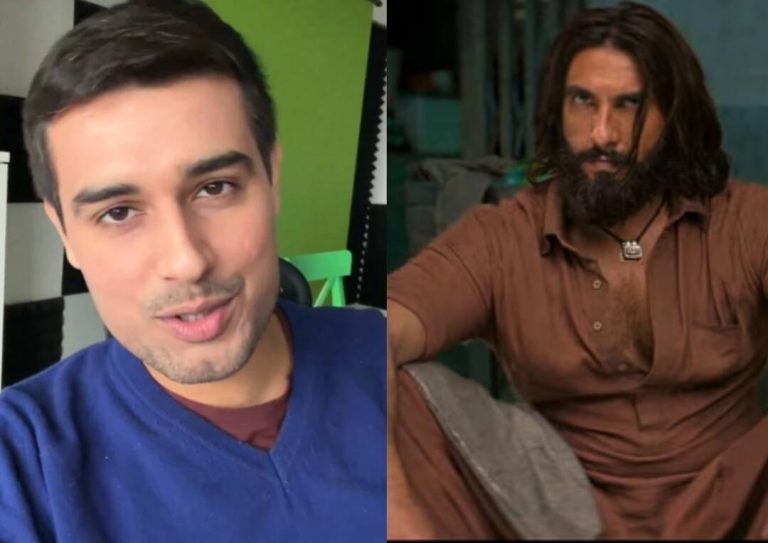
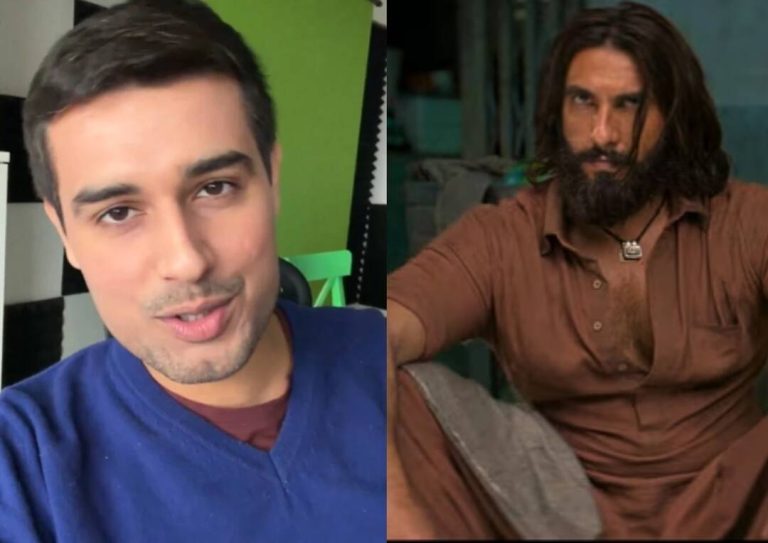
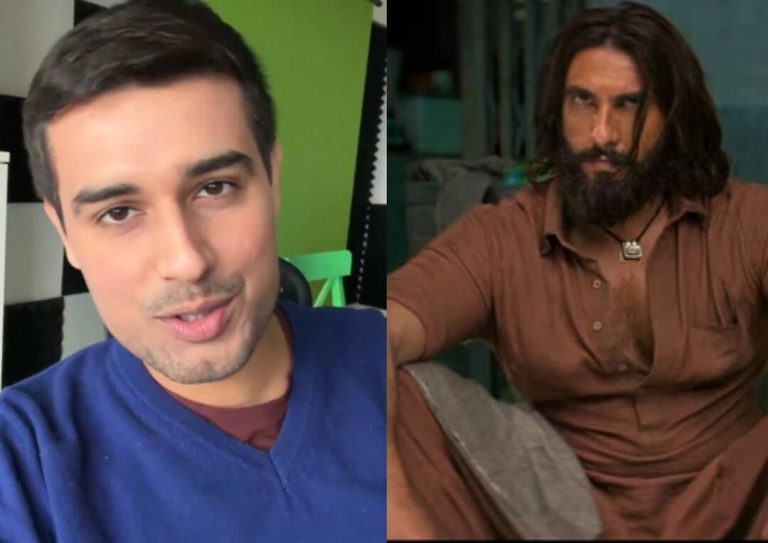
Congrats on views: Dhurandhar actor Naveen on Dhruv Rathee review
The world of cinema is no stranger to controversy, and the latest film to spark a heated debate is Dhurandhar. The movie, which has been making waves in the industry, has been criticized by popular YouTuber Dhruv Rathee for spreading “false propaganda”. In a recent interview, Dhurandhar actor Naveen Kaushik, who played the role of ‘Donga’, responded to Rathee’s criticism, saying that the YouTuber’s opinion is not shared by the film’s team.
Rathee, known for his outspoken views on various topics, had slammed the film in one of his recent videos, calling Aditya Dhar, the director of the film, a “propagandist”. He also accused the film of promoting false propaganda, which has sparked a heated debate among cinema enthusiasts. However, Naveen Kaushik, who is associated with the film, has come out in defense of the movie, stating that he does not agree with Rathee’s opinion.
In an interview, Kaushik said, “He’s an opinionated person. I’m associated with the film, I don’t agree with him. He got some views because of us, congratulations.” This statement suggests that Kaushik believes Rathee’s criticism of the film was motivated by a desire to gain attention and views, rather than a genuine concern for the film’s content. By saying “congratulations” to Rathee, Kaushik is implying that the YouTuber has benefited from the controversy surrounding the film, and that his criticism has ultimately helped to promote the movie.
The debate surrounding Dhurandhar is not an isolated incident, but rather part of a larger trend of films being criticized for their perceived political agendas. In recent years, several Bollywood films have faced backlash for their depiction of certain issues, with some critics accusing them of promoting propaganda or biased views. The issue has sparked a heated debate about the role of cinema in shaping public opinion, and the responsibility of filmmakers to present accurate and balanced information.
While some argue that films should be free to express their creators’ opinions and perspectives, others believe that they have a responsibility to present a more nuanced and balanced view of the world. The controversy surrounding Dhurandhar highlights the challenges faced by filmmakers in navigating these complex issues, and the need for a more nuanced and informed discussion about the role of cinema in shaping public opinion.
It is worth noting that Aditya Dhar, the director of Dhurandhar, has been compared to other filmmakers like Vivek Agnihotri, who have also been accused of promoting propaganda through their films. While some critics have praised these filmmakers for their bold and unapologetic approach to storytelling, others have accused them of using their platform to promote biased and misleading information.
In the end, the controversy surrounding Dhurandhar is a reminder that cinema is a powerful medium that has the ability to shape public opinion and influence cultural narratives. As such, it is essential that filmmakers approach their craft with sensitivity and responsibility, and that critics and audiences engage with their work in a nuanced and informed manner.
As the debate surrounding Dhurandhar continues to unfold, it will be interesting to see how the film’s team responds to the criticism, and how the controversy ultimately affects the film’s reception and legacy. One thing is certain, however: the discussion surrounding Dhurandhar is an important one, and it highlights the need for a more nuanced and informed conversation about the role of cinema in shaping our understanding of the world.
About the Author