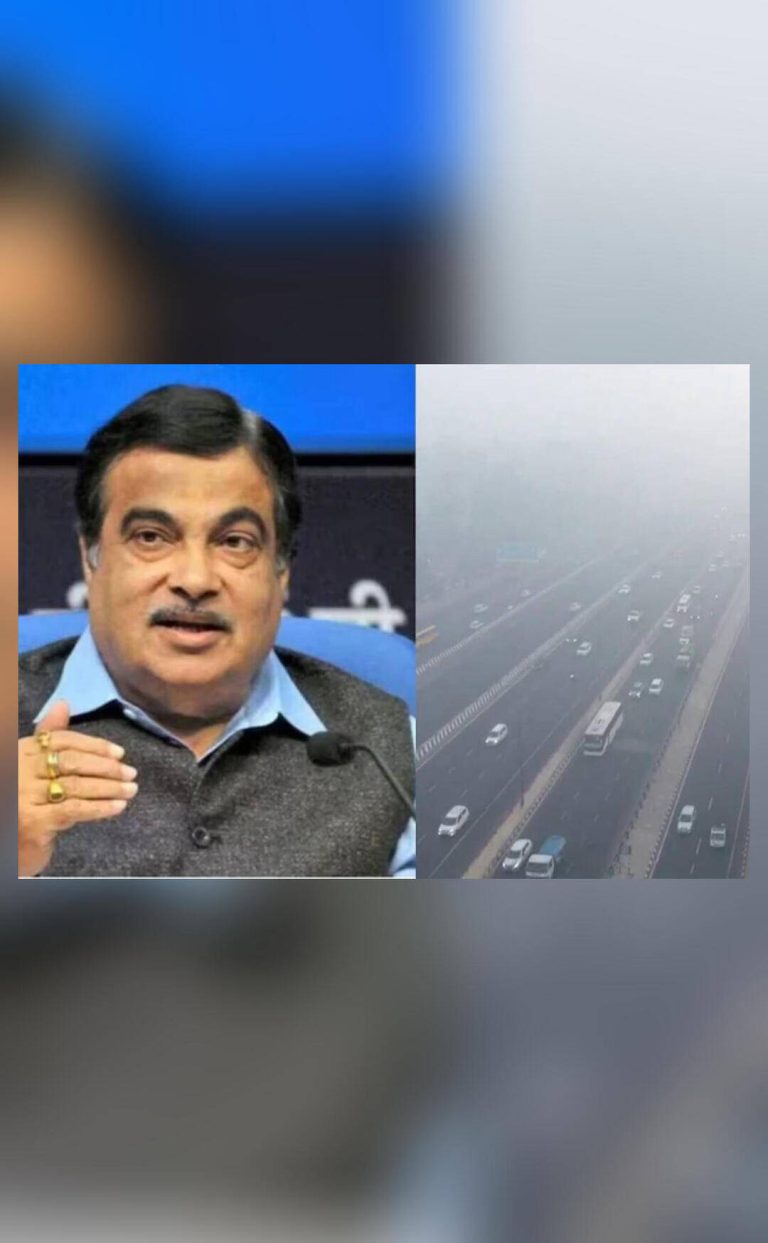
40% pollution linked to our sector: Transport Minister Gadkari
The issue of pollution in India, particularly in the capital city of Delhi, has been a pressing concern for many years. The city’s air quality has been consistently ranked as one of the worst in the world, with severe consequences for the health and well-being of its residents. Recently, Union Transport Minister Nitin Gadkari spoke out about the crisis, revealing a startling statistic that highlights the significant role that the transport sector plays in contributing to the problem.
According to Minister Gadkari, a staggering 40% of pollution in Delhi is linked to the transport sector. This is a shocking admission, especially coming from the minister responsible for overseeing the country’s transportation systems. Gadkari’s comments were made during a discussion about the city’s air quality, where he also shared his personal experience of developing throat infections after spending just two days in Delhi.
As the Road Transport Minister, Gadkari is well aware of the impact that his sector has on the environment. He acknowledged that fossil fuels, which are the primary source of energy for most vehicles, are limited and contribute significantly to pollution. “Fossil fuels are limited, and pollution is increasing. Can’t we reduce fossil fuel usage?” he asked, highlighting the need for alternative solutions.
Gadkari’s comments are a significant departure from the usual rhetoric surrounding pollution in India. Often, the blame is shifted to other factors such as crop burning, industrial emissions, or dust from construction sites. However, by acknowledging the transport sector’s role in contributing to pollution, Gadkari is taking a crucial step towards addressing the problem.
So, what can be done to reduce the transport sector’s impact on pollution? One possible solution is to promote the use of electric vehicles (EVs). EVs are a cleaner alternative to traditional fossil fuel-powered vehicles, producing zero tailpipe emissions and significantly reducing greenhouse gas emissions. The Indian government has already set ambitious targets for the adoption of EVs, aiming to have at least 30% of new vehicle sales be electric by 2030.
Another approach is to improve public transportation systems, making them more efficient, reliable, and attractive to commuters. This can be achieved through investments in modern bus and train networks, as well as the development of non-motorized transport infrastructure such as cycle lanes and pedestrian pathways. By providing people with convenient and affordable alternatives to private vehicle ownership, the government can reduce the number of vehicles on the road and subsequently decrease pollution levels.
Additionally, the government can implement policies to encourage the use of cleaner fuels, such as biofuels or compressed natural gas (CNG). These alternatives can significantly reduce emissions from vehicles, making them a more environmentally friendly option. Furthermore, the government can impose stricter emissions standards on vehicles, forcing manufacturers to produce cleaner and more efficient models.
Gadkari’s admission of the transport sector’s role in pollution is a welcome step towards addressing the crisis. However, it is only the first step in a long journey towards cleaner air and a healthier environment. The government must now take concrete actions to reduce the sector’s impact, investing in alternative technologies, improving public transportation, and promoting sustainable practices.
In conclusion, the issue of pollution in India is complex and multifaceted, requiring a comprehensive approach to resolve. Minister Gadkari’s comments highlight the significant contribution of the transport sector to the problem, and it is essential that the government takes immediate action to address this. By promoting cleaner alternatives, improving public transportation, and implementing stricter emissions standards, India can reduce its reliance on fossil fuels and create a healthier, more sustainable environment for its citizens.
About the Author