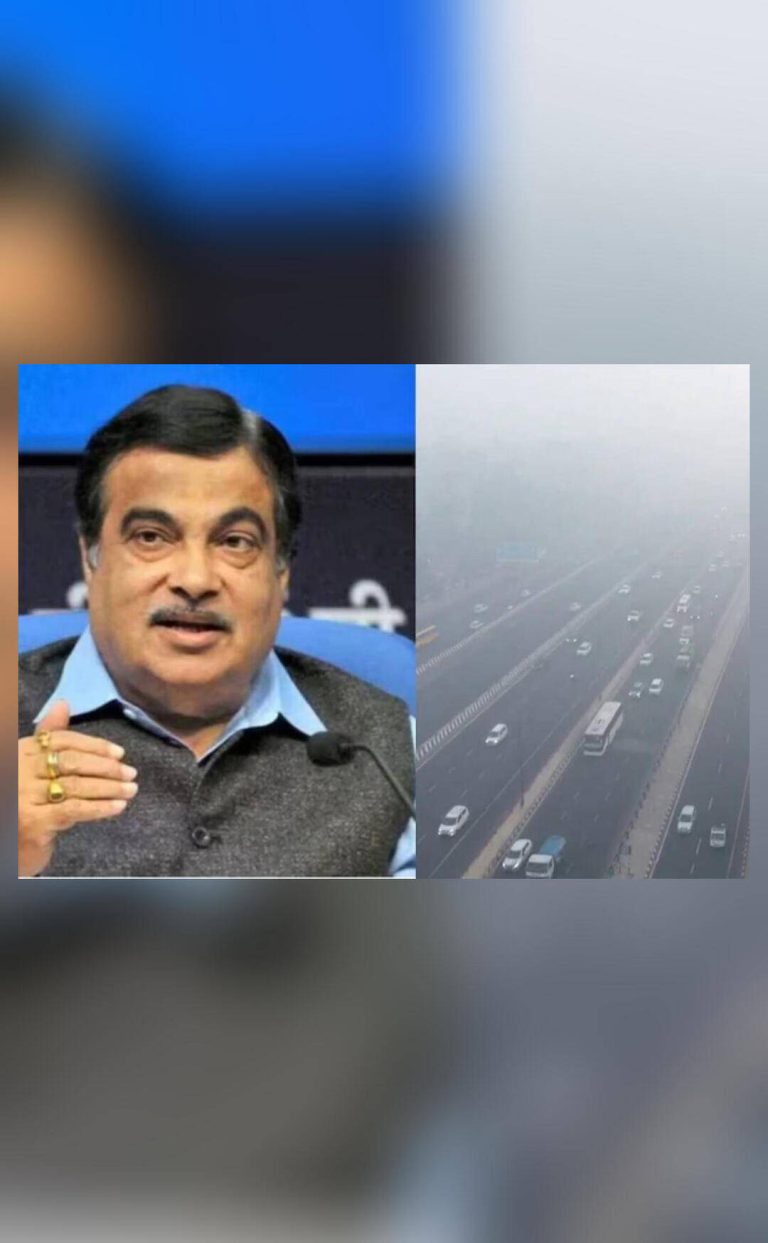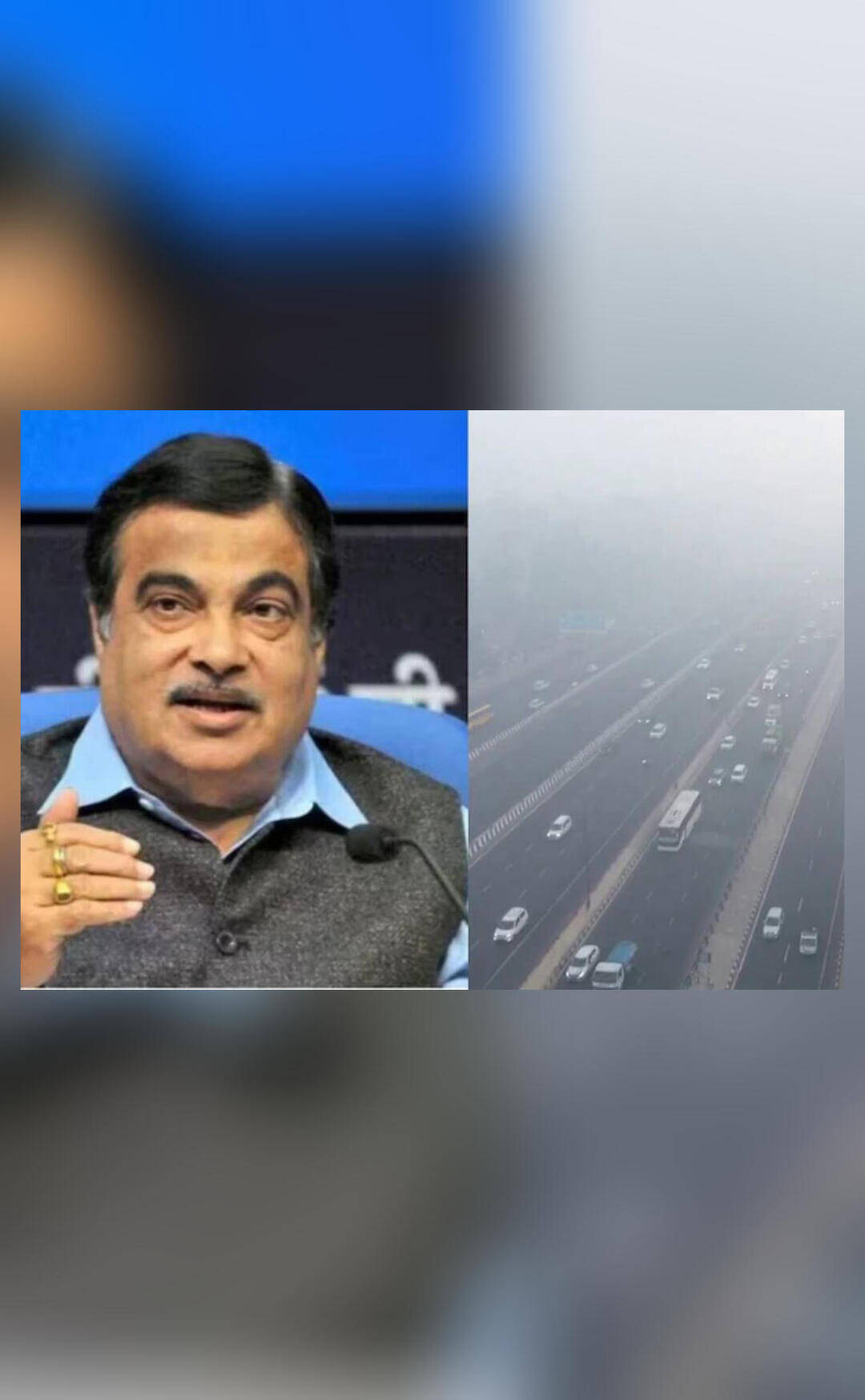
40% Pollution Linked to Our Sector: Transport Minister Gadkari
The issue of pollution in Delhi has been a pressing concern for several years, with the city consistently ranking among the most polluted in the world. The problem is so severe that even Union Transport Minister Nitin Gadkari has admitted to developing throat infections after spending just two days in the city. In a recent statement, Minister Gadkari highlighted the significant role that the transport sector plays in contributing to pollution, stating that around 40% of pollution is linked to his sector.
Minister Gadkari’s comments come at a time when the Indian government is under increasing pressure to take concrete steps to address the pollution crisis. The minister’s admission that the transport sector is a major contributor to pollution is a significant acknowledgement, as it highlights the need for the government to take a closer look at the environmental impact of its policies and initiatives. As the Road Transport Minister, Gadkari’s statement is particularly noteworthy, as it underscores the need for the transport sector to adopt more sustainable and environmentally-friendly practices.
The Impact of Fossil Fuels
One of the primary contributors to pollution in the transport sector is the use of fossil fuels. Minister Gadkari noted that fossil fuels are limited, and pollution is increasing, raising an important question: can’t we reduce fossil fuel usage? The answer to this question is complex, but it is clear that the transport sector must play a significant role in reducing its reliance on fossil fuels.
The use of fossil fuels has several negative consequences, including the release of greenhouse gases such as carbon dioxide and methane, which contribute to climate change. Additionally, the extraction, transportation, and combustion of fossil fuels can have devastating effects on local ecosystems and human health. The World Health Organization (WHO) estimates that air pollution is responsible for around 7 million premature deaths worldwide each year, with a significant proportion of these deaths attributed to the use of fossil fuels.
Solutions to Reduce Pollution
So, what can be done to reduce pollution in the transport sector? One of the most effective solutions is to promote the use of alternative fuels, such as electric or hybrid vehicles. These vehicles produce significantly fewer emissions than traditional fossil fuel-powered vehicles, making them a more sustainable option for the environment.
Another solution is to improve the efficiency of existing vehicles. This can be achieved through the use of technologies such as regenerative braking, which captures some of the energy that would otherwise be lost as heat and uses it to recharge the vehicle’s battery. Additionally, the use of advanced materials and design techniques can help to reduce the weight of vehicles, making them more fuel-efficient and reducing emissions.
Government Initiatives
The Indian government has already taken several steps to address the issue of pollution in the transport sector. For example, the government has set a target of having at least 30% of new vehicle sales be electric by 2030. The government has also introduced policies such as the Faster Adoption and Manufacturing of Electric Vehicles (FAME) scheme, which provides incentives for the manufacture and purchase of electric vehicles.
Additionally, the government has introduced stricter emissions standards for vehicles, which will help to reduce pollution from the transport sector. The Bharat Stage VI (BS-VI) emissions standards, which came into effect in April 2020, are designed to reduce emissions of particulate matter, nitrogen oxides, and other pollutants from vehicles.
Conclusion
In conclusion, the statement by Union Transport Minister Nitin Gadkari that 40% of pollution is linked to the transport sector is a significant acknowledgement of the need for the government to take action to address the pollution crisis. The use of fossil fuels is a major contributor to pollution, and reducing our reliance on these fuels is crucial to mitigating the negative impacts of climate change and improving public health.
As the Indian government continues to grapple with the issue of pollution, it is clear that the transport sector must play a significant role in reducing emissions and promoting sustainable practices. By promoting the use of alternative fuels, improving the efficiency of existing vehicles, and introducing stricter emissions standards, the government can help to reduce pollution and create a healthier, more sustainable environment for all.
About the Author