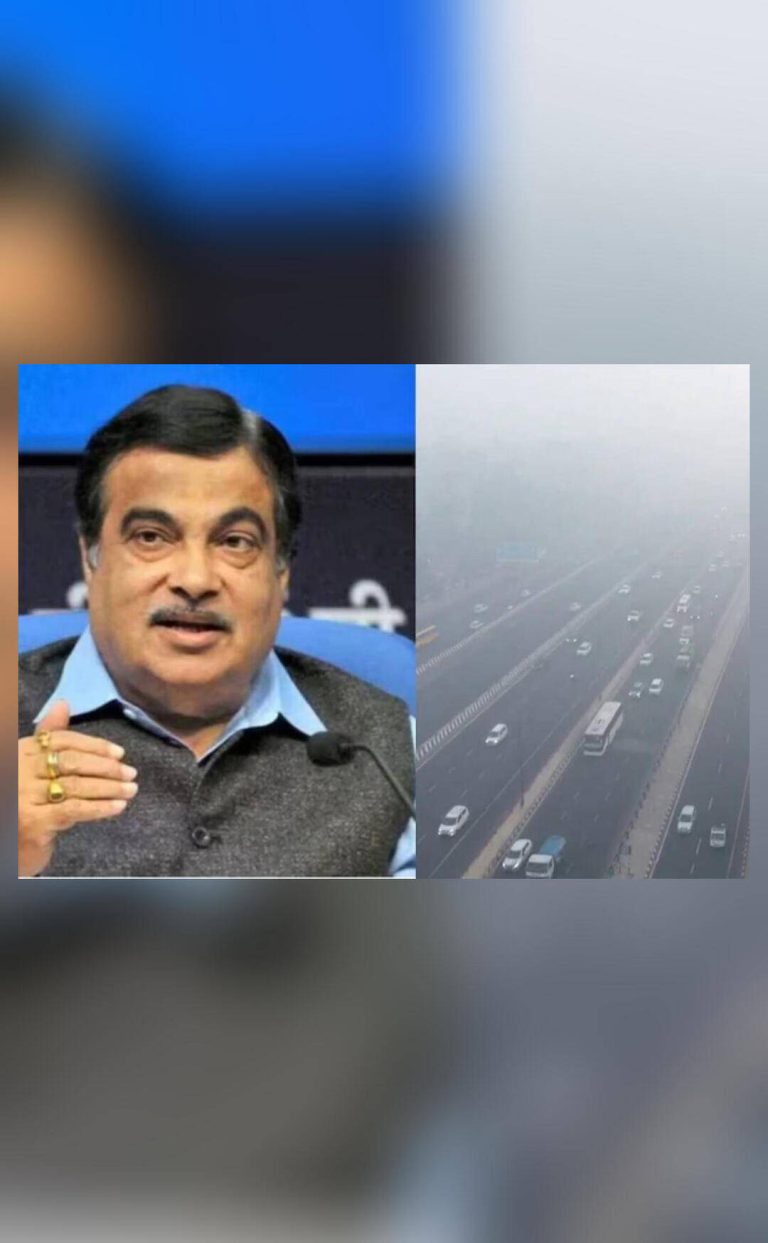
40% Pollution Linked to Our Sector: Transport Minister Gadkari
The issue of pollution has been a pressing concern in India, particularly in the national capital, Delhi. The city’s poor air quality has been a topic of discussion among citizens, policymakers, and experts, with many calling for immediate action to address the crisis. Recently, Union Transport Minister Nitin Gadkari spoke about the issue, revealing that even he is not immune to the effects of Delhi’s pollution. In a striking admission, Gadkari stated that if he stays in Delhi for just two days, he develops a throat infection.
As the Road Transport Minister, Gadkari acknowledged that his sector is a significant contributor to the pollution problem. “I’m the Road Transport Minister, and around 40 per cent of pollution is linked to our sector,” he said. This statement is a significant acknowledgment of the role that the transport sector plays in exacerbating the pollution crisis. The minister’s words highlight the need for urgent action to reduce the environmental impact of the transport sector, which includes cars, trucks, buses, and other vehicles that run on fossil fuels.
Gadkari’s comments come at a time when the Indian government is under pressure to address the pollution crisis. Delhi’s air quality has been particularly poor in recent years, with the city often ranking among the most polluted in the world. The situation is so severe that it has been dubbed a “health emergency” by some experts. The pollution is not just limited to Delhi, however, as other cities across India are also struggling with poor air quality.
The transport minister’s admission that 40% of pollution is linked to his sector is a crucial one. It recognizes that the transport sector is a major contributor to the problem and that changes need to be made to reduce its environmental impact. Gadkari’s statement also underscores the importance of transitioning away from fossil fuels, which are a major source of pollution. “Fossil fuels are limited, and pollution is increasing. Can’t we reduce fossil fuel usage?” he asked, highlighting the need for alternative energy sources and more sustainable transportation options.
One of the key solutions to reducing pollution from the transport sector is to promote the use of electric vehicles (EVs). India has set ambitious targets for the adoption of EVs, with the government aiming for 30% of new vehicle sales to be electric by 2030. However, more needs to be done to support the growth of the EV industry, including investing in charging infrastructure and providing incentives for consumers to switch to electric vehicles.
Another approach to reducing pollution from the transport sector is to improve the fuel efficiency of vehicles. This can be achieved through the use of cleaner fuels, such as compressed natural gas (CNG) and liquefied petroleum gas (LPG), as well as by implementing stricter emissions standards for vehicles. The Indian government has already taken steps in this direction, including introducing stricter emissions norms for vehicles and promoting the use of alternative fuels.
In addition to these measures, there is a need to promote sustainable transportation options, such as walking, cycling, and using public transport. This can be achieved by investing in pedestrian-friendly and cycle-friendly infrastructure, as well as by improving the efficiency and reliability of public transport systems. By making these modes of transport more attractive and convenient, the government can reduce the number of private vehicles on the road, which is a major contributor to pollution.
Gadkari’s comments on the need to reduce fossil fuel usage are also significant, given the Indian government’s plans to increase the use of biofuels and other alternative energy sources. The government has set a target of 10% ethanol blending in petrol by 2022, which is expected to reduce greenhouse gas emissions and improve air quality. However, more needs to be done to promote the use of biofuels and other alternative energy sources, including investing in research and development and providing incentives for their adoption.
In conclusion, the transport minister’s admission that 40% of pollution is linked to his sector is a significant acknowledgment of the role that the transport sector plays in exacerbating the pollution crisis. It highlights the need for urgent action to reduce the environmental impact of the transport sector, including promoting the use of electric vehicles, improving fuel efficiency, and promoting sustainable transportation options. By taking these steps, the Indian government can reduce pollution, improve air quality, and create a healthier and more sustainable environment for its citizens.
About the Author