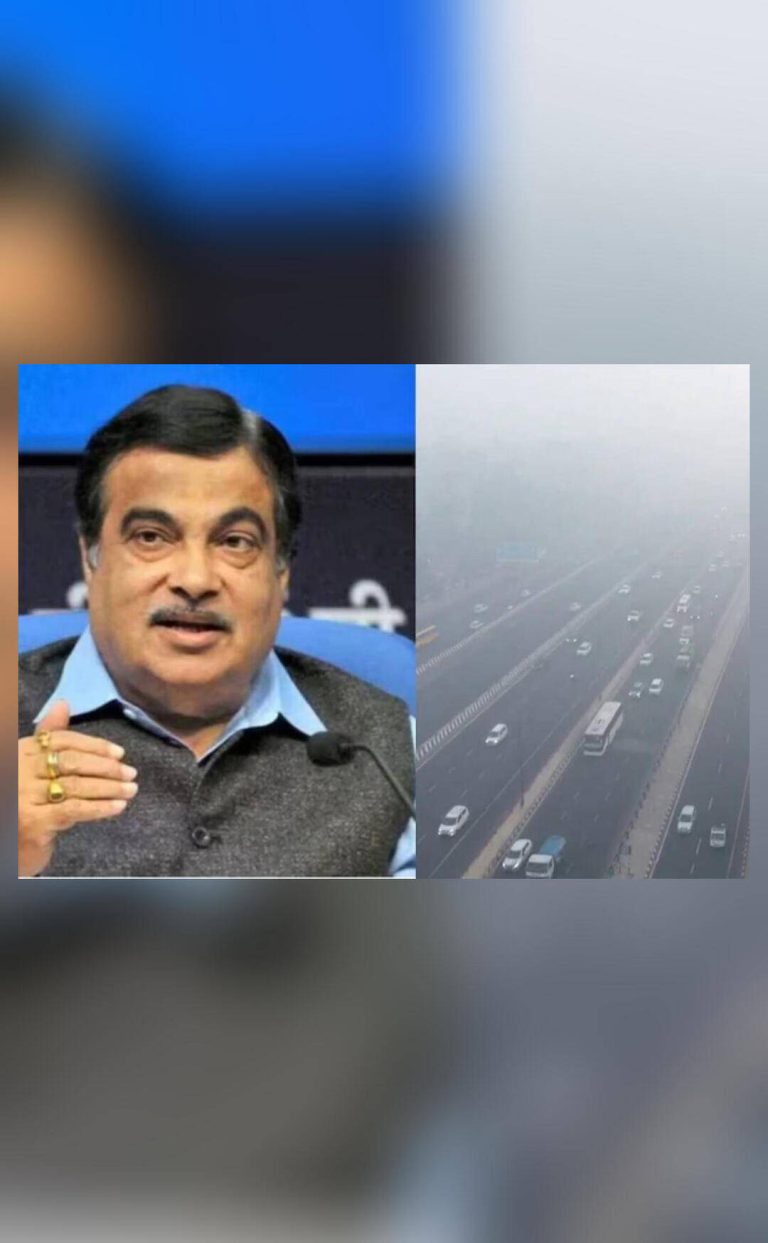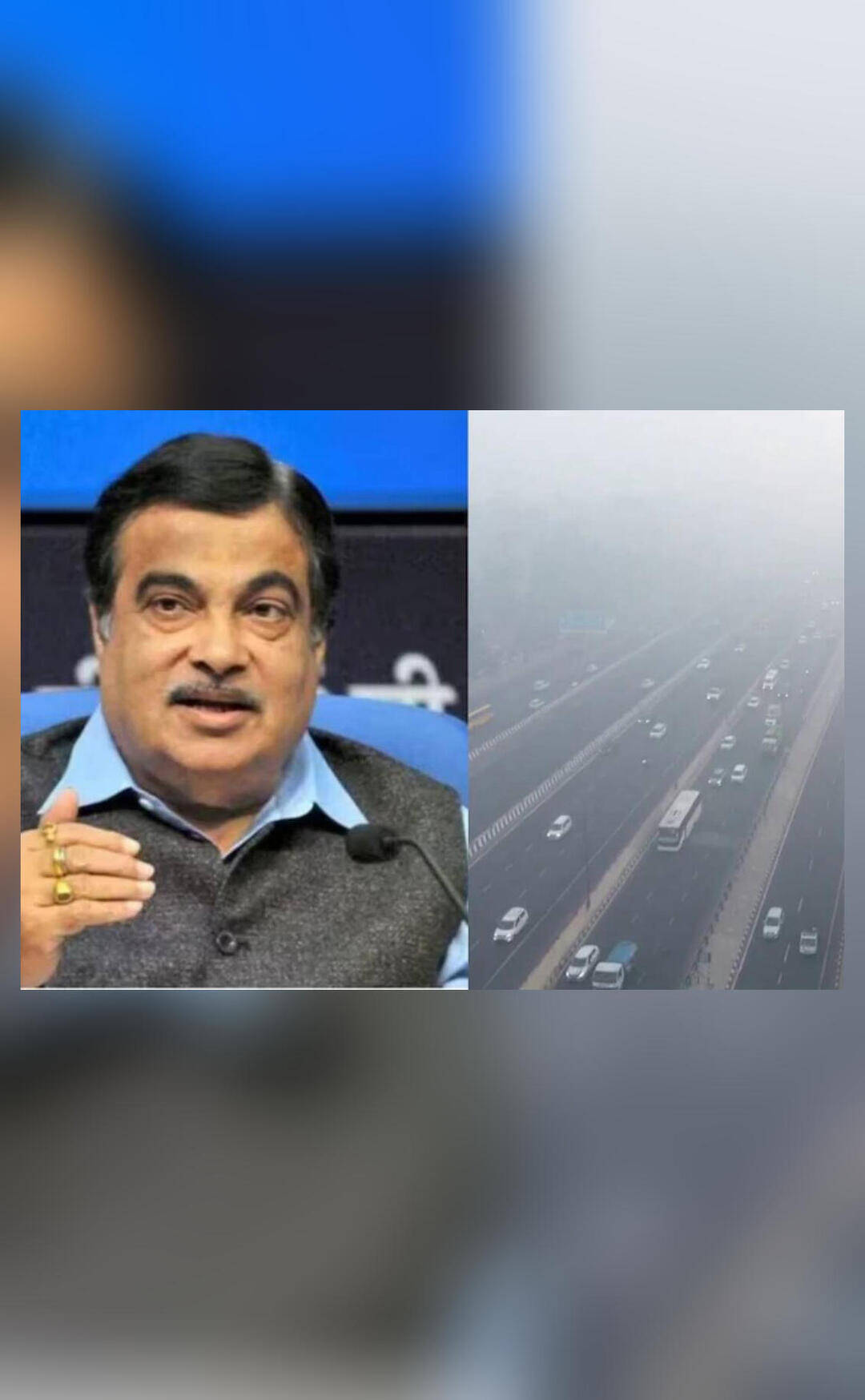
40% pollution linked to our sector: Transport Minister Gadkari
The issue of pollution, particularly in the national capital of Delhi, has been a pressing concern for the Indian government. The alarming levels of air pollution in the city have been a topic of discussion among politicians, environmentalists, and citizens alike. Recently, Union Transport Minister Nitin Gadkari shed light on the role of the transport sector in contributing to the pollution crisis. In a striking admission, Gadkari revealed that he develops throat infections if he stays in Delhi for just two days, highlighting the severity of the problem.
Gadkari’s comments came as a surprise, given his position as the Road Transport Minister. He acknowledged that the transport sector, which he oversees, is responsible for a significant proportion of pollution. “I’m the Road Transport Minister, and around 40 per cent of pollution is linked to our sector,” he said. This statement is a significant acknowledgment of the impact of the transport sector on the environment. The minister’s willingness to accept responsibility and address the issue is a positive step towards finding solutions to the pollution crisis.
The transport sector’s contribution to pollution is primarily due to the reliance on fossil fuels. The burning of fossil fuels such as petrol and diesel releases harmful pollutants into the atmosphere, including particulate matter, nitrogen oxides, and carbon monoxide. These pollutants can have severe health impacts, including respiratory problems, cardiovascular disease, and even cancer. The World Health Organization (WHO) has classified air pollution as a major environmental risk to health, and India is one of the countries most affected by this issue.
Gadkari’s comments also highlighted the need to reduce the country’s dependence on fossil fuels. “Fossil fuels are limited, and pollution is increasing. Can’t we reduce fossil fuel usage?” he asked. This is a crucial question, as India’s rapid economic growth and increasing population have led to a surge in energy demand. The country’s reliance on fossil fuels has resulted in significant environmental and health costs. The need to transition to cleaner, more sustainable energy sources is becoming increasingly urgent.
One possible solution to reduce the transport sector’s pollution footprint is to promote the use of electric vehicles (EVs). EVs are a cleaner alternative to traditional fossil fuel-powered vehicles, producing zero tailpipe emissions and significantly reducing greenhouse gas emissions. The Indian government has already set ambitious targets to promote the adoption of EVs, aiming to have 30% of new vehicle sales be electric by 2030. However, more needs to be done to support the growth of the EV industry, including investing in charging infrastructure and providing incentives for consumers to switch to electric vehicles.
Another approach to reducing pollution is to improve the fuel efficiency of vehicles. This can be achieved through the implementation of stricter emission standards, such as the Bharat Stage VI (BS-VI) norms, which came into effect in April 2020. The BS-VI norms set stricter limits on emissions of particulate matter, nitrogen oxides, and other pollutants, which will help to reduce the environmental impact of vehicles. Additionally, the government can promote the use of alternative fuels, such as biofuels, which can help to reduce dependence on fossil fuels and lower emissions.
The transport sector is not the only contributor to pollution, and a comprehensive approach is needed to address the issue. Other sources of pollution, such as industrial emissions, agricultural waste, and construction activities, also need to be addressed. The government, in collaboration with state authorities, civil society, and the private sector, must work together to develop and implement effective strategies to reduce pollution.
In conclusion, the admission by Transport Minister Nitin Gadkari that 40% of pollution is linked to the transport sector is a significant acknowledgment of the problem. The minister’s willingness to accept responsibility and address the issue is a positive step towards finding solutions to the pollution crisis. The need to reduce fossil fuel usage and promote cleaner, more sustainable energy sources is becoming increasingly urgent. By promoting the use of electric vehicles, improving fuel efficiency, and implementing stricter emission standards, India can take significant steps towards reducing pollution and improving public health.
About the Author