40% Pollution Linked to Our Sector: Transport Minister Gadkari
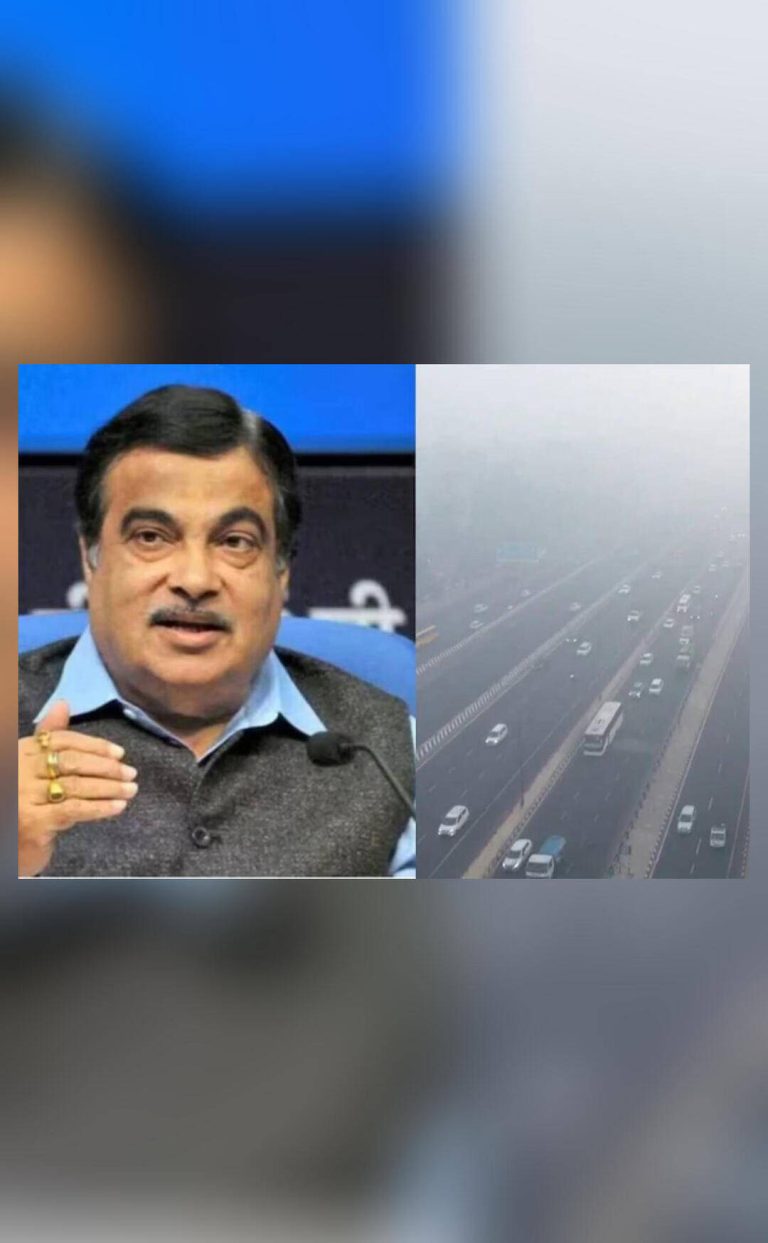
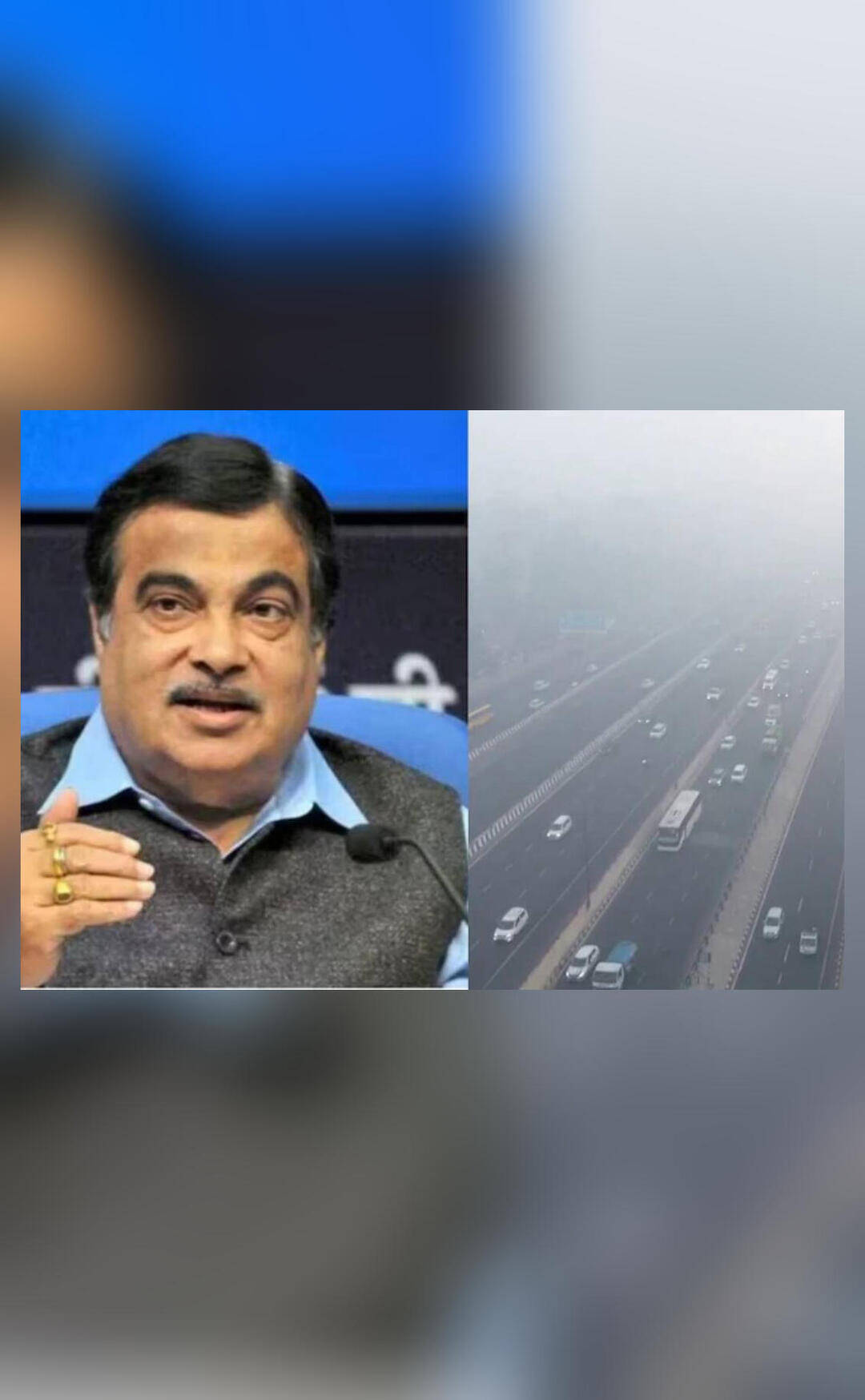
The issue of pollution has become a pressing concern in recent years, particularly in urban areas like Delhi. The city’s air quality has been a topic of discussion, with many experts and government officials weighing in on the matter. Recently, Union Transport Minister Nitin Gadkari spoke about the pollution crisis in Delhi, sharing his personal experience with the issue. According to Gadkari, even a short stay in Delhi can have adverse effects on his health. “I’m the Road Transport Minister, and if I stay in Delhi for two days, I develop a throat infection,” he said.
Gadkari’s statement highlights the severity of the pollution problem in Delhi. As someone who is responsible for the country’s transportation sector, he is well aware of the impact that his sector has on the environment. “Around 40 per cent of pollution is linked to our sector,” he admitted. This is a significant admission, as it acknowledges the role that the transportation sector plays in contributing to pollution.
The transportation sector is a significant contributor to pollution, primarily due to the use of fossil fuels. Gadkari pointed out that fossil fuels are limited, and their use is a major factor in increasing pollution levels. “Fossil fuels are limited, and pollution is increasing. Can’t we reduce fossil fuel usage?” he asked. This question is at the heart of the matter, as it highlights the need to find alternative solutions to reduce our reliance on fossil fuels.
The use of fossil fuels has been a major contributor to pollution, particularly in urban areas. The burning of fossil fuels releases harmful pollutants into the air, including particulate matter, nitrogen oxides, and sulfur dioxide. These pollutants can have serious health effects, including respiratory problems, cardiovascular disease, and even cancer. The fact that Gadkari, as the Transport Minister, is acknowledging the role of his sector in contributing to pollution is a significant step forward.
One of the ways to reduce pollution is to promote the use of alternative fuels. Gadkari has been a strong advocate for the use of electric vehicles, which can significantly reduce pollution levels. Electric vehicles are powered by electricity from batteries, rather than fossil fuels, which makes them a cleaner and more environmentally friendly option. The government has set a target of having 30% of new vehicle sales be electric by 2030, which is an ambitious goal.
Another way to reduce pollution is to improve public transportation. Gadkari has emphasized the need to promote public transportation, which can reduce the number of private vehicles on the road. This, in turn, can reduce pollution levels. The government has been working to improve public transportation infrastructure, including the development of metro systems and bus rapid transit systems.
In addition to promoting alternative fuels and improving public transportation, there is also a need to improve the overall efficiency of the transportation sector. This can be done by promoting the use of technologies such as intelligent transportation systems, which can help to reduce congestion and improve traffic flow. The government has also been working to promote the use of biofuels, which can be used to power vehicles and reduce pollution levels.
The issue of pollution is a complex one, and it will require a multi-faceted approach to solve. Gadkari’s admission that 40% of pollution is linked to the transportation sector is a significant step forward, as it acknowledges the role that the sector plays in contributing to pollution. The government has been working to promote alternative fuels, improve public transportation, and improve the overall efficiency of the transportation sector. However, more needs to be done to address the issue of pollution.
In conclusion, the issue of pollution is a pressing concern that requires immediate attention. The transportation sector plays a significant role in contributing to pollution, and it is essential that we take steps to reduce our reliance on fossil fuels. The government has been working to promote alternative fuels, improve public transportation, and improve the overall efficiency of the transportation sector. However, more needs to be done to address the issue of pollution. As Gadkari said, “Fossil fuels are limited, and pollution is increasing. Can’t we reduce fossil fuel usage?” The answer to this question is yes, and it is essential that we take steps to reduce our reliance on fossil fuels and promote cleaner, more environmentally friendly options.
About the Author