40% Pollution Linked to Our Sector: Transport Minister Gadkari
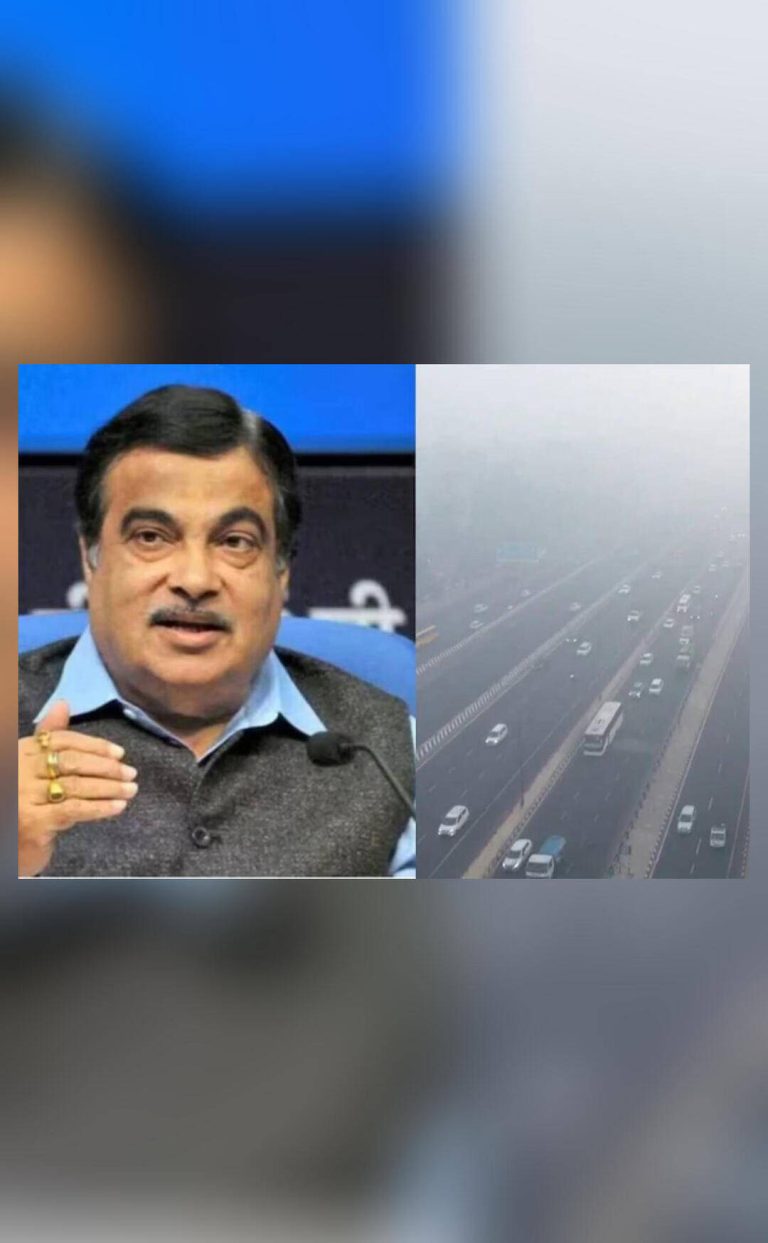
The issue of air pollution in Delhi has been a topic of concern for many years, with the city consistently ranking among the most polluted cities in the world. Recently, Union Transport Minister Nitin Gadkari spoke about the alarming levels of pollution in Delhi, revealing that even he is not immune to its effects. In a candid admission, Gadkari stated that if he stays in Delhi for just two days, he develops a throat infection. This is a stark reminder of the severe impact that pollution is having on the health and well-being of the city’s residents.
As the Road Transport Minister, Gadkari acknowledged that his sector is a significant contributor to the problem of pollution. He estimated that around 40% of pollution is linked to the transport sector, highlighting the need for urgent action to reduce the reliance on fossil fuels. “I’m the Road Transport Minister, and around 40 per cent of pollution is linked to our sector,” he said. “Fossil fuels are limited, and pollution is increasing. Can’t we reduce fossil fuel usage?” he further added.
Gadkari’s comments are a clear indication that the government is aware of the role that the transport sector plays in contributing to pollution. The fact that he is willing to acknowledge the issue and take responsibility for it is a positive step towards finding a solution. However, it also raises questions about what concrete steps the government plans to take to address the problem.
One of the key challenges in reducing pollution from the transport sector is the sheer number of vehicles on the road. With millions of cars, buses, and trucks emitting pollutants into the air every day, it is a daunting task to try to reduce the amount of pollution they produce. However, there are several strategies that can be employed to mitigate the impact of the transport sector on air quality.
One approach is to promote the use of alternative modes of transportation, such as cycling or walking. By investing in infrastructure that supports these modes of transportation, such as bike lanes and pedestrianized streets, the government can encourage people to leave their cars behind and reduce the number of vehicles on the road. Additionally, promoting the use of public transportation, such as buses and trains, can also help to reduce the number of private vehicles on the road and lower emissions.
Another approach is to encourage the adoption of cleaner fuels and technologies. Electric vehicles, for example, produce zero tailpipe emissions and can significantly reduce the amount of pollution produced by the transport sector. The government can incentivize the adoption of electric vehicles by offering subsidies, tax breaks, or other forms of support to manufacturers and consumers.
Gadkari’s comments also highlight the need for a more sustainable approach to transportation. With fossil fuels being a finite resource, it is essential to reduce our reliance on them and transition to cleaner, more sustainable forms of energy. This can involve investing in renewable energy sources, such as solar or wind power, and promoting the use of biofuels or other alternative fuels.
In conclusion, the issue of pollution in Delhi is a complex and multifaceted one, and it will require a comprehensive and coordinated approach to solve. The transport sector is a significant contributor to the problem, and it is essential that the government takes concrete steps to reduce the amount of pollution it produces. By promoting alternative modes of transportation, encouraging the adoption of cleaner fuels and technologies, and investing in sustainable energy sources, we can work towards a cleaner, healthier, and more sustainable future for all.
As Gadkari’s comments make clear, the need for action is urgent, and the government must take a proactive approach to addressing the issue of pollution. By working together, we can create a better future for ourselves and for generations to come.
About the Author