Aus terror attack shooter’s estranged wife refuses to claim body
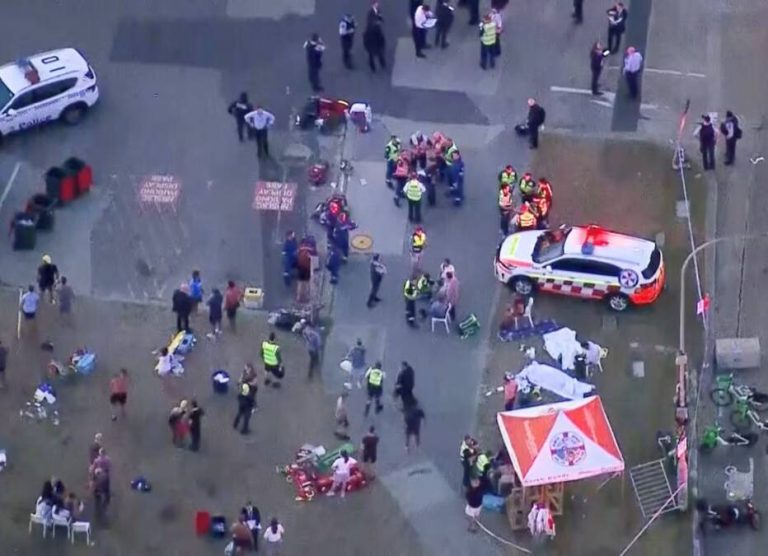
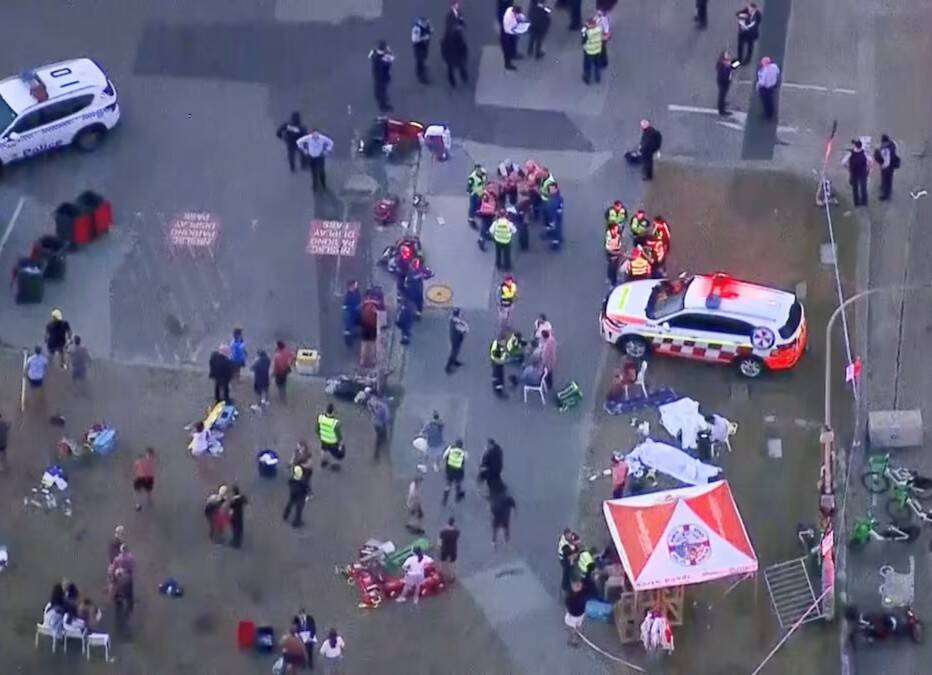
The recent terror attack on Bondi Beach, Australia, sent shockwaves across the globe, leaving 15 innocent people dead and many more injured. The attack, which occurred on December 14, was carried out by two men, one of whom was identified as Sajid Akram. In a shocking turn of events, Akram’s estranged wife has refused to claim his body, leaving the authorities responsible for his burial.
According to Australian media, Akram’s estranged wife has made it clear that she wants nothing to do with him, even in death. This decision has raised many questions about the circumstances surrounding Akram’s life and his relationship with his family. Reports claim that Akram was homeless for at least six months prior to the attack, highlighting the complexities of his personal life.
The attack on Bondi Beach was a devastating incident that left the community in a state of shock and grief. The fact that one of the perpetrators was a homeless individual has sparked a debate about the social and economic factors that may have contributed to his actions. Akram’s estranged wife’s refusal to claim his body adds another layer to this complex story, suggesting that his personal life was marked by conflict and isolation.
The investigation into the attack is ongoing, and authorities are working to piece together the events leading up to the tragedy. Akram’s son, Naveed, was apprehended on the scene and is currently in hospital under police guard. The fact that Naveed was involved in the attack has raised concerns about the potential radicalization of young people and the need for early intervention and support.
The Bondi Beach attack has also sparked a wider conversation about the need for community cohesion and social inclusion. The fact that Akram was homeless for an extended period highlights the need for more effective support systems and services to help individuals in crisis. It also underscores the importance of addressing the root causes of social isolation and radicalization, rather than just treating the symptoms.
In the aftermath of the attack, the Australian government has faced criticism for its handling of the situation. Some have argued that the government’s policies on counter-terrorism and social welfare have been inadequate, failing to address the complex issues that may have contributed to the attack. Others have called for greater investment in community programs and services that can help to prevent radicalization and support vulnerable individuals.
The refusal of Akram’s estranged wife to claim his body is a poignant reminder of the human cost of the attack. It highlights the fact that the perpetrators of such acts are not just faceless individuals, but complex human beings with families, relationships, and personal struggles. It also underscores the need for empathy and understanding in the face of tragedy, rather than simply resorting to anger and recrimination.
As the investigation into the Bondi Beach attack continues, it is clear that there are many questions that still need to be answered. What drove Akram and his accomplice to carry out such a horrific act? What role did social isolation, poverty, and radicalization play in their actions? And how can we, as a society, work to prevent such tragedies from occurring in the future?
The story of Sajid Akram and his estranged wife is a complex and multifaceted one, reflecting the deeper social and economic issues that underpin our society. As we grapple with the aftermath of the Bondi Beach attack, it is essential that we approach this issue with nuance and empathy, recognizing that the solutions to these problems will require a sustained and collective effort.
In conclusion, the refusal of Sajid Akram’s estranged wife to claim his body is a powerful symbol of the complexities and challenges that we face in the aftermath of the Bondi Beach attack. It highlights the need for a more nuanced and empathetic approach to understanding the causes of such tragedies, and the importance of addressing the social and economic factors that may have contributed to them. As we move forward, it is essential that we prioritize community cohesion, social inclusion, and support for vulnerable individuals, in order to prevent such attacks from occurring in the future.
About the Author