Aus terror attack shooter’s estranged wife refuses to claim body
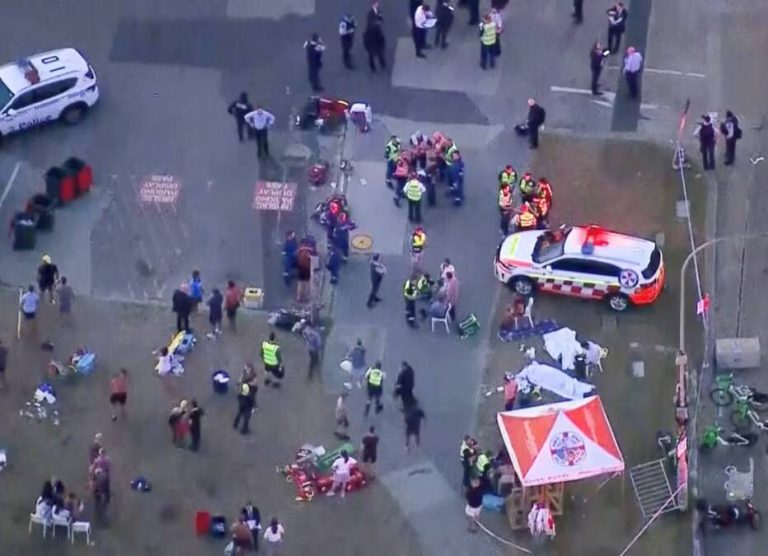
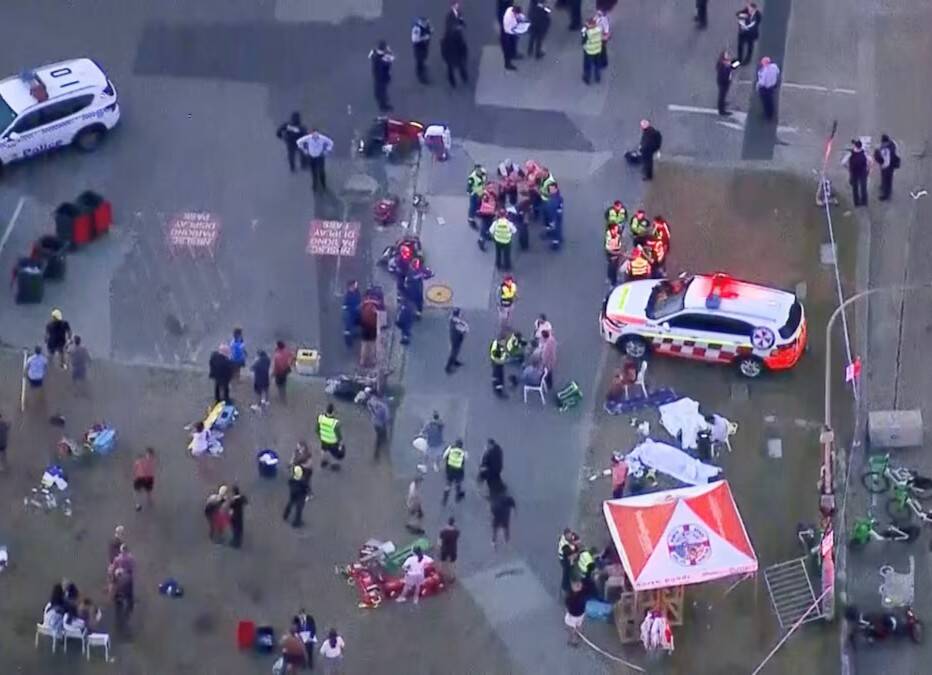
The recent terror attack on Bondi Beach has left the nation in shock and mourning. The attack, which occurred on December 14, claimed the lives of 15 innocent people and has raised many questions about the motives and backgrounds of the perpetrators. One of the two men behind the deadly attack was Sajid Akram, a man with a troubled past and a complex family situation. In a recent development, Akram’s estranged wife has refused to claim his body, leaving authorities responsible for his burial.
According to Australian media, Akram’s estranged wife has made it clear that she wants nothing to do with him, even in death. This decision has sparked a mix of emotions, with some people expressing understanding and others outrage. The fact that Akram’s estranged wife has refused to claim his body highlights the complexity of his personal life and the circumstances that may have led him to carry out such a heinous act.
Reports have emerged that Akram was homeless for at least six months prior to the attack. This raises questions about the support systems that are in place for individuals who are struggling with mental health issues, poverty, and social isolation. It also highlights the need for communities to come together to support those who are vulnerable and at risk of being radicalized.
The investigation into the attack is ongoing, and authorities are working to piece together the events leading up to the tragedy. Akram’s son, Naveed, was apprehended on the scene and is currently in hospital under police guard. The fact that Naveed was involved in the attack has raised concerns about the radicalization of young people and the role of family dynamics in extremist ideology.
The refusal of Akram’s estranged wife to claim his body is a significant development in the aftermath of the attack. It suggests that Akram’s personal life was marked by conflict and isolation, and that his actions may have been motivated by a desire for attention and notoriety. It also raises questions about the responsibility of family members and loved ones in preventing extremist behavior.
In the days and weeks following the attack, there will be many questions asked about how this tragedy could have been prevented. There will be inquiries into the backgrounds of the perpetrators, the support systems that were in place, and the role of law enforcement and intelligence agencies. However, one thing is clear: the attack on Bondi Beach was a senseless act of violence that has left a community in mourning.
As the people of Australia come to terms with this tragedy, they will be looking for answers and seeking to understand the motivations behind the attack. They will also be seeking to support those who have been affected, including the families of the victims and the first responders who risked their lives to save others.
In the end, the refusal of Akram’s estranged wife to claim his body is a poignant reminder of the complexity and tragedy of this event. It highlights the need for compassion, understanding, and support for those who are struggling, and the importance of addressing the root causes of extremism and radicalization.
As we move forward, it is essential that we prioritize the safety and well-being of our communities. This includes investing in mental health services, social support programs, and community-based initiatives that promote inclusivity and social cohesion. It also requires us to have difficult conversations about the role of ideology and extremism in our society, and to work together to prevent such tragedies from occurring in the future.
The attack on Bondi Beach is a sobering reminder of the threats that we face as a society, and the importance of remaining vigilant and proactive in preventing extremism. As we mourn the loss of life and support those who have been affected, we must also commit to building a safer, more compassionate, and more inclusive community for all.
About the Author