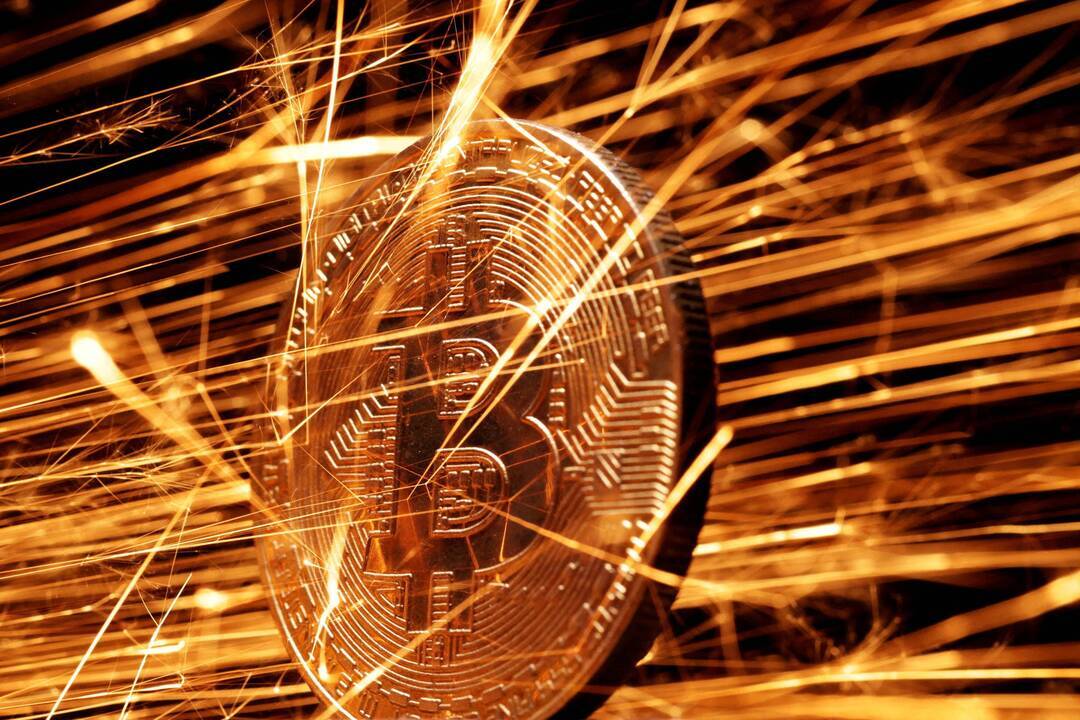
Bitcoin is a form of money, but not as attractive as gold: Dalio
The world of cryptocurrency has been abuzz with the recent statements made by billionaire hedge fund manager Ray Dalio. In a surprising turn of events, Dalio acknowledged that Bitcoin qualifies as a “form of money.” However, he was quick to add that it still can’t match the attractiveness of gold. This statement has sparked a heated debate among investors and cryptocurrency enthusiasts, with many wondering what the implications of Dalio’s words might be.
According to Dalio, Bitcoin’s ability to function as a medium of exchange, a store of value, and a unit of account makes it a form of money. However, he also pointed out that it lacks the same level of attractiveness as gold, which has been a trusted store of value for centuries. One of the primary reasons for this, Dalio explained, is that governments can monitor and interfere with Bitcoin transactions. This lack of anonymity and potential for government intervention makes Bitcoin a less appealing option for those looking to store value or make transactions without being tracked.
In contrast, gold has long been a popular choice for investors looking to diversify their portfolios and protect their wealth from inflation or economic downturns. The precious metal has a number of characteristics that make it an attractive store of value, including its rarity, durability, and portability. Additionally, gold is widely recognized and accepted as a form of currency, making it easy to buy and sell. Unlike Bitcoin, gold is also largely immune to government interference, as it is a physical commodity that can be stored and transferred without being tracked.
Another significant drawback of Bitcoin, according to Dalio, is that it is unlikely to be held in significant numbers by central banks and other institutions. This is due to a number of problems, including the cryptocurrency’s volatility, lack of regulation, and limited adoption. While some countries have begun to explore the use of cryptocurrencies, including Bitcoin, as a form of legal tender, others have been more cautious, citing concerns about money laundering, terrorism financing, and other illicit activities.
The fact that Bitcoin is not as attractive as gold is not surprising, given the two assets’ vastly different characteristics. Gold has a long history of being used as a store of value, and its value is widely recognized and accepted. Bitcoin, on the other hand, is a relatively new asset that is still in the process of gaining widespread acceptance. While it has gained significant traction in recent years, it still faces a number of challenges and uncertainties that make it a less appealing option for many investors.
Despite these challenges, many investors remain bullish on Bitcoin’s potential. They point to its limited supply, decentralized nature, and growing adoption as reasons why it could eventually become a more widely accepted form of currency. Additionally, the development of new technologies and infrastructure, such as blockchain and cryptocurrency exchanges, has made it easier for people to buy, sell, and store Bitcoin.
However, for those looking to store value or make transactions without being tracked, gold may still be the better option. As Dalio pointed out, governments can monitor and interfere with Bitcoin transactions, making it a less appealing option for those looking for anonymity. In contrast, gold is a physical commodity that can be stored and transferred without being tracked, making it a more attractive option for those looking to protect their wealth from government interference.
In conclusion, while Bitcoin may qualify as a form of money, it still can’t match the attractiveness of gold. The lack of anonymity, potential for government intervention, and limited adoption make it a less appealing option for many investors. However, as the world of cryptocurrency continues to evolve, it will be interesting to see how Bitcoin and other digital assets develop and whether they can eventually gain widespread acceptance as a form of currency.
About the Author