Bitcoin is a form of money, but not as attractive as gold: Dalio
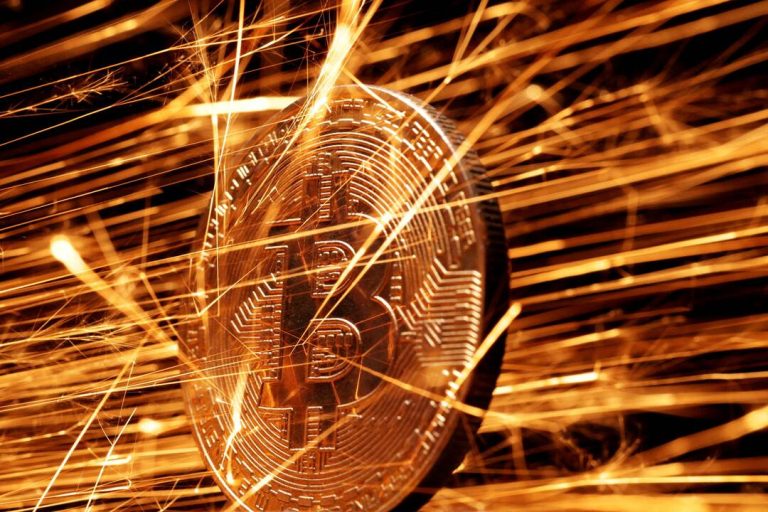
The world of cryptocurrency has been abuzz with the recent statements made by billionaire hedge fund manager, Ray Dalio. In a surprising turn of events, Dalio has acknowledged that Bitcoin can be considered a “form of money.” However, he was quick to add that it still cannot match the allure of gold, a precious metal that has been a staple of wealth storage for centuries. According to Dalio, the primary reason for this disparity lies in the fact that governments can monitor and interfere with Bitcoin transactions, a limitation that gold does not have.
Dalio’s comments have sparked a heated debate within the cryptocurrency community, with some hailing his acknowledgement of Bitcoin as a form of money as a significant milestone, while others are more skeptical about his reservations regarding its attractiveness. To understand the implications of Dalio’s statements, it is essential to delve deeper into the world of cryptocurrency and the factors that influence its value and perception.
Firstly, it is crucial to understand what makes Bitcoin a form of money. In traditional economics, money is defined as a medium of exchange, a store of value, and a unit of account. Bitcoin, as a decentralized digital currency, fulfills these criteria to a certain extent. It can be used as a medium of exchange, allowing users to purchase goods and services from merchants who accept it. It can also be stored as a form of value, with many investors buying and holding Bitcoin in the hopes of selling it at a higher price in the future. Finally, Bitcoin can be used as a unit of account, with its value being denominated in terms of other currencies.
However, despite fulfilling these criteria, Bitcoin still faces significant challenges in terms of its adoption and perception. One of the primary concerns is its volatility, with its value fluctuating wildly over short periods. This makes it difficult for merchants to accept Bitcoin as a form of payment, as they may end up losing money if the value of Bitcoin drops significantly. Additionally, the lack of regulation and oversight in the cryptocurrency market has led to concerns about security, with many exchanges and wallets being hacked over the years.
In contrast, gold has been a stable store of value for centuries, with its value being less volatile than Bitcoin. Gold is also more widely accepted as a form of wealth storage, with many central banks and investors holding it in their portfolios. According to Dalio, this is because gold is more difficult for governments to monitor and interfere with, making it a more attractive option for those looking to store wealth.
Another significant factor that affects the attractiveness of Bitcoin is its lack of institutional investment. Unlike gold, which is widely held by central banks and institutional investors, Bitcoin is still largely held by individual investors. This lack of institutional investment is due to several factors, including the lack of regulation, the volatility of the market, and the limited infrastructure for investing in Bitcoin. According to Dalio, it is unlikely that central banks and other institutional investors will hold Bitcoin in significant numbers due to these problems.
Furthermore, the use of Bitcoin as a form of payment is still limited, with many merchants not accepting it due to the volatility of its value. In contrast, gold is widely accepted as a form of payment, with many merchants and investors using it as a store of value. The limited use of Bitcoin as a form of payment is also due to the lack of infrastructure, with many countries still lacking the necessary regulatory framework to support the use of cryptocurrency.
In conclusion, while Dalio’s acknowledgement of Bitcoin as a form of money is a significant milestone, his reservations about its attractiveness are well-founded. The lack of regulation, volatility, and limited infrastructure for investing in Bitcoin are all significant challenges that need to be addressed before it can be considered a viable alternative to gold. Additionally, the fact that governments can monitor and interfere with Bitcoin transactions is a significant limitation that gold does not have.
As the cryptocurrency market continues to evolve, it will be interesting to see how these challenges are addressed. Will Bitcoin be able to overcome its limitations and become a more widely accepted form of money? Only time will tell. However, one thing is certain – the world of cryptocurrency is here to stay, and it will be exciting to see how it develops in the coming years.
About the Author