Aus Terror Attack Shooter’s Estranged Wife Refuses to Claim Body
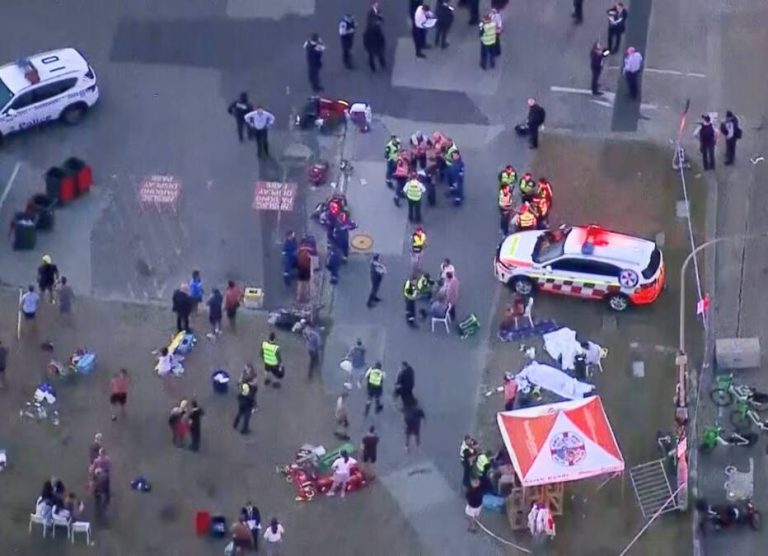
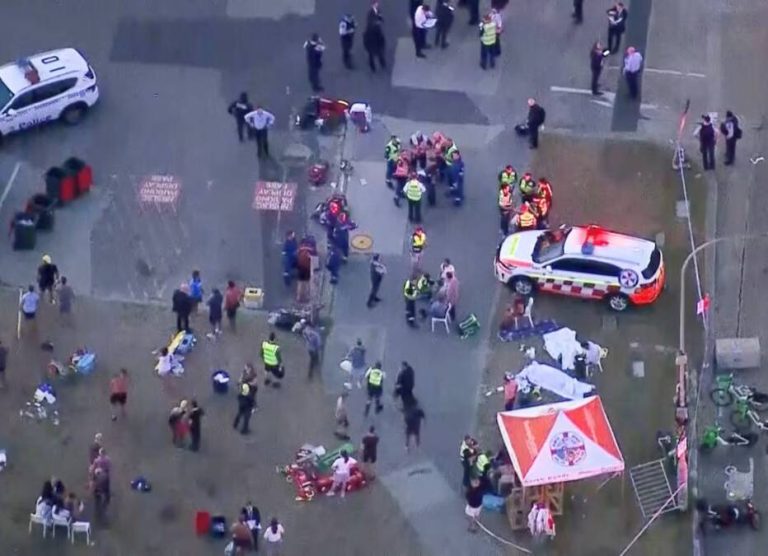
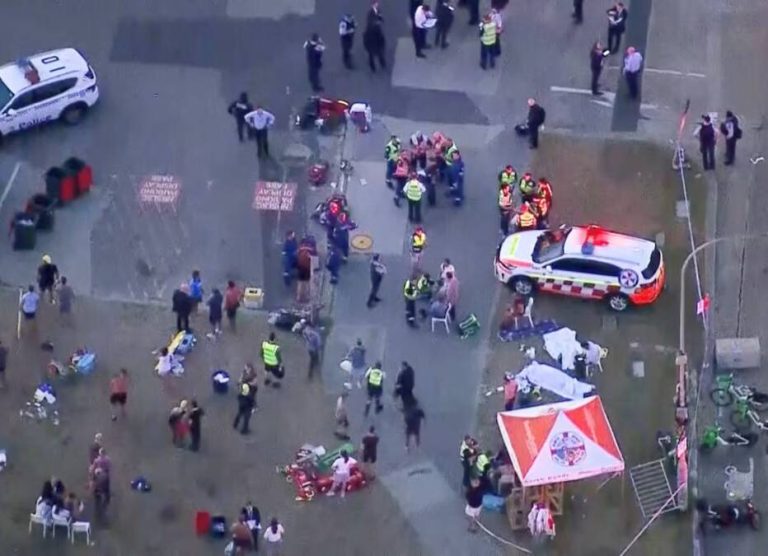
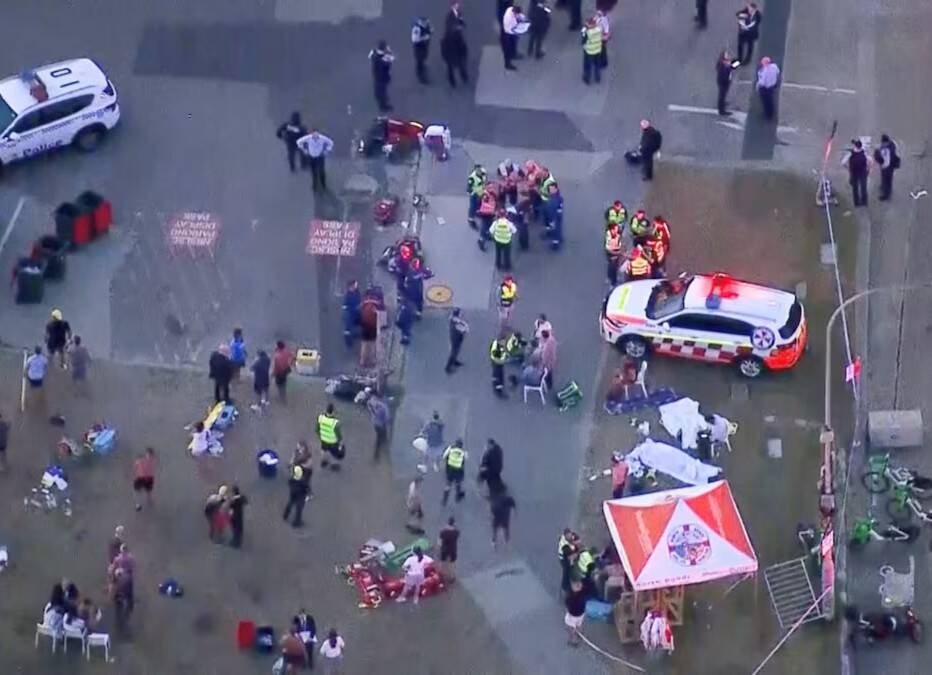
The shocking news of the Bondi Beach terror attack has left the world reeling, and the latest development in the case has sent shockwaves through the community. Sajid Akram, one of the two men behind the deadly December 14 attack that killed 15 people, has been laid to rest, but not without controversy. According to Australian media, Akram’s estranged wife has refused to claim his body, leaving authorities responsible for his burial.
The news has sparked a mix of emotions, with many questioning the motivations behind the wife’s decision. Sources close to the family have revealed that the wife wants nothing to do with Akram, citing his violent and extremist views as the reason for her estrangement. The couple’s son, Naveed, was apprehended on the scene and is currently in hospital under police guard, adding another layer of complexity to the already tragic situation.
As the investigation into the attack continues, details have emerged about Akram’s troubled past. Reports claim that he was homeless for at least six months leading up to the attack, fueling speculation about the potential motivations behind his actions. The fact that Akram’s estranged wife has refused to claim his body suggests a deep-seated rift within the family, and raises questions about the role of family dynamics in the lead-up to the attack.
The Bondi Beach terror attack has sent shockwaves through the Australian community, with many left wondering how such a tragedy could occur. The fact that Akram was able to carry out the attack despite being known to authorities has raised questions about the effectiveness of the country’s counter-terrorism measures. As the investigation continues, it is likely that more details will emerge about Akram’s background and the events leading up to the attack.
In the meantime, the community is left to grapple with the aftermath of the tragedy. The fact that Akram’s estranged wife has refused to claim his body serves as a stark reminder of the complexity and nuance of the situation. As the country mourns the loss of innocent lives, it is clear that the road to healing and recovery will be long and difficult.
The decision by Akram’s estranged wife to refuse to claim his body also raises questions about the role of family and community in preventing extremist violence. While it is impossible to know for certain what motivated Akram’s actions, it is clear that his extremist views were not shared by his family. The fact that his wife has distanced herself from him suggests that there were warning signs and red flags that were ignored or overlooked.
As the investigation into the attack continues, it is likely that more details will emerge about the events leading up to the tragedy. The fact that Akram was homeless for at least six months leading up to the attack suggests that he may have been vulnerable to radicalization and exploitation. The role of social services and community organizations in preventing such tragedies will likely come under scrutiny in the coming weeks and months.
In the aftermath of the attack, the Australian government has faced criticism for its handling of the situation. The fact that Akram was known to authorities and was still able to carry out the attack has raised questions about the effectiveness of the country’s counter-terrorism measures. The government has promised a full investigation into the attack, and it is likely that changes will be made to the country’s counter-terrorism laws and policies in the coming months.
As the community begins the long and difficult process of healing and recovery, it is clear that the Bondi Beach terror attack will have a lasting impact on Australian society. The fact that Akram’s estranged wife has refused to claim his body serves as a stark reminder of the complexity and nuance of the situation, and highlights the need for a nuanced and multifaceted approach to preventing extremist violence.
In conclusion, the Bondi Beach terror attack has left the world reeling, and the latest development in the case has added another layer of complexity to the tragedy. The fact that Akram’s estranged wife has refused to claim his body serves as a stark reminder of the depth of the rift within the family, and raises questions about the role of family dynamics in the lead-up to the attack. As the investigation continues, it is likely that more details will emerge about the events leading up to the tragedy, and the community will be left to grapple with the aftermath of the attack.
About the Author