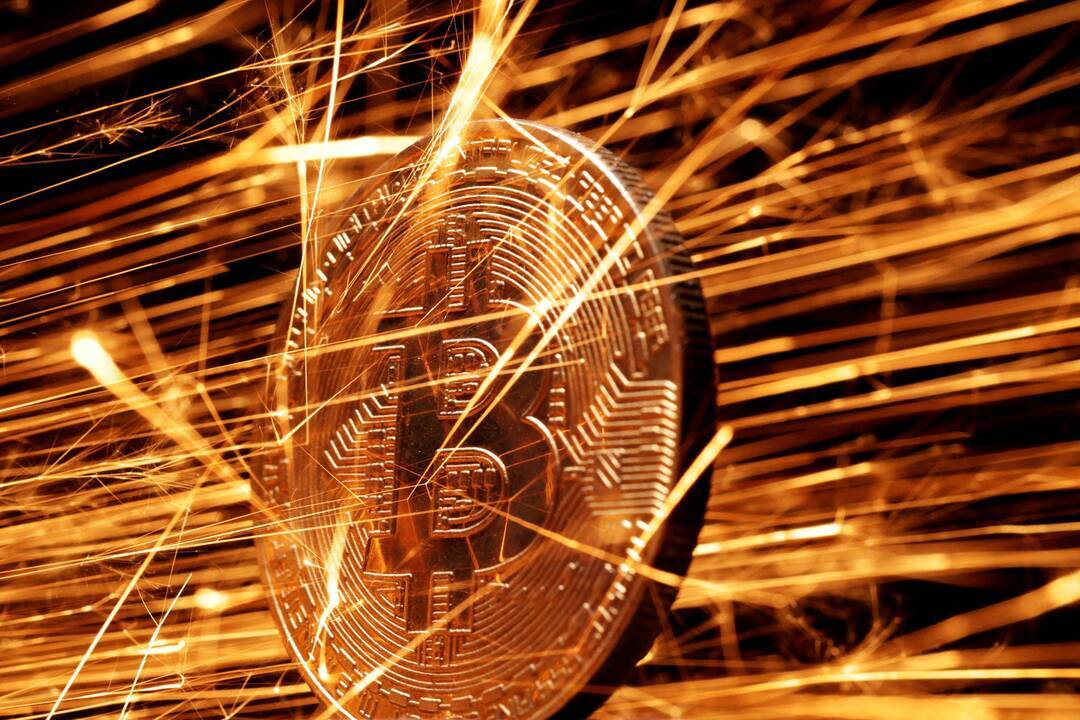
Bitcoin is a form of money, but not as attractive as gold: Dalio
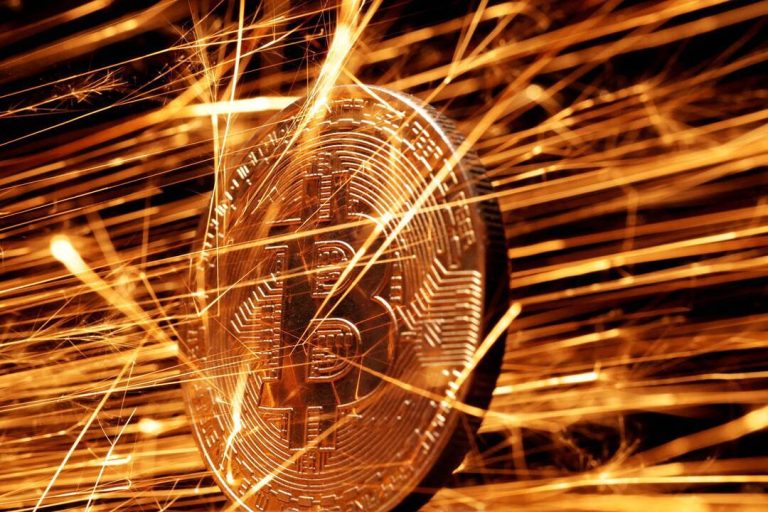
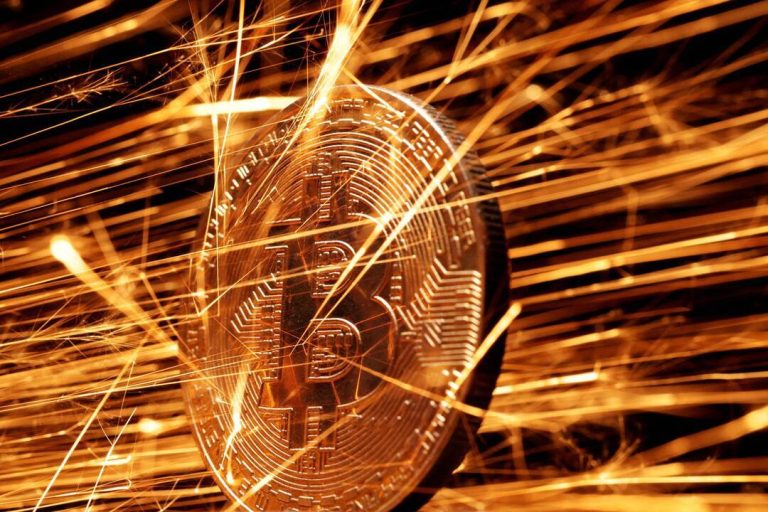
The world of cryptocurrency has been abuzz with the recent comments made by billionaire hedge fund manager Ray Dalio. In a statement that has sparked both interest and debate, Dalio referred to Bitcoin as a “form of money” but emphasized that it is not as attractive as gold. This assertion has led to a flurry of discussions among investors, economists, and cryptocurrency enthusiasts, all of whom are eager to understand the implications of Dalio’s words.
To begin with, it is essential to acknowledge that Dalio’s recognition of Bitcoin as a form of money is a significant endorsement. As the founder of Bridgewater Associates, one of the world’s largest hedge funds, Dalio’s opinions carry considerable weight in the financial community. His statement suggests that Bitcoin has, to some extent, achieved a level of legitimacy and recognition as a medium of exchange, a store of value, and a unit of account – the three primary functions of money.
However, Dalio’s enthusiasm for Bitcoin is tempered by his preference for gold. He stated that gold is a more attractive asset than Bitcoin, and this is largely due to the fact that governments and central banks can monitor and interfere with Bitcoin transactions. Unlike gold, which is a physical commodity that can be stored and transferred without the need for intermediaries, Bitcoin transactions are recorded on a public ledger called the blockchain. While this transparency is often cited as a benefit of cryptocurrency, it also means that governments and regulatory bodies can track and potentially restrict the flow of Bitcoin.
This is a crucial distinction, as it highlights the inherent risks associated with holding Bitcoin. As a digital asset, Bitcoin is susceptible to government intervention, whether through regulation, taxation, or outright prohibition. In contrast, gold is a physical asset that can be held and stored privately, making it more difficult for governments to control or confiscate. This difference in characteristics is likely to influence the investment decisions of institutional investors, such as central banks and pension funds, which may be deterred from holding Bitcoin due to its lack of anonymity and vulnerability to government interference.
Another factor that contributes to Dalio’s skepticism about Bitcoin is its volatility. As a store of value, Bitcoin has proven to be highly unpredictable, with its price fluctuating wildly over short periods. This unpredictability makes it challenging for investors to rely on Bitcoin as a stable store of value, which is a critical function of money. In contrast, gold has historically been a more stable asset, with its value tends to appreciate over time. This stability, combined with its tangibility and anonymity, makes gold a more attractive asset for investors seeking a reliable store of value.
Furthermore, Dalio’s comments suggest that it is unlikely that central banks and other institutional investors will hold Bitcoin in significant numbers. This is due to several problems, including the lack of regulatory clarity, the risk of government interference, and the potential for price volatility. While some central banks have explored the possibility of issuing their own digital currencies, these efforts are still in the experimental phase, and it remains to be seen whether they will gain widespread acceptance.
In conclusion, Ray Dalio’s comments on Bitcoin offer a nuanced perspective on the cryptocurrency’s status as a form of money. While he acknowledges that Bitcoin has achieved a level of recognition and legitimacy, he also emphasizes its limitations and risks. The fact that governments can monitor and interfere with Bitcoin transactions, combined with its volatility and lack of anonymity, makes it a less attractive asset than gold. As investors and policymakers continue to grapple with the implications of cryptocurrency, Dalio’s words serve as a reminder of the complexities and challenges associated with this emerging asset class.
For those interested in learning more about Dalio’s views on Bitcoin and gold, the original article can be found at:
https://www.timesnownews.com/business-economy/economy/bitcoin-qualifies-as-money-but-still-cant-match-gold-ray-dalio-explains-article-153330798/amp
About the Author