Congress posts AI video of PM talking to Mahatma Gandhi on MGNREGA
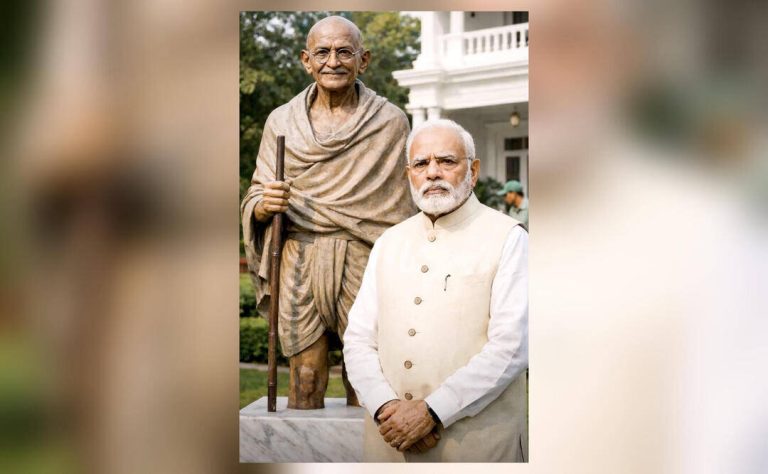
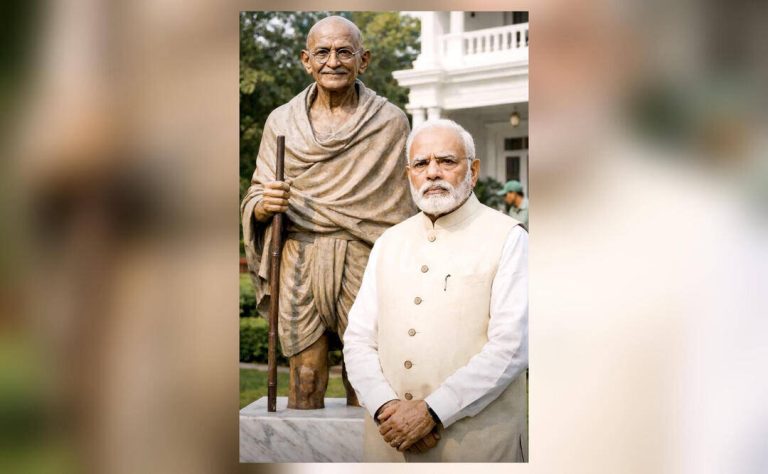
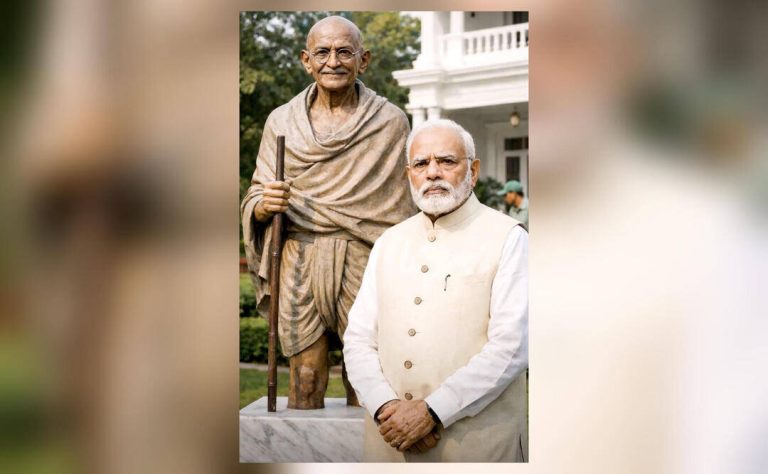
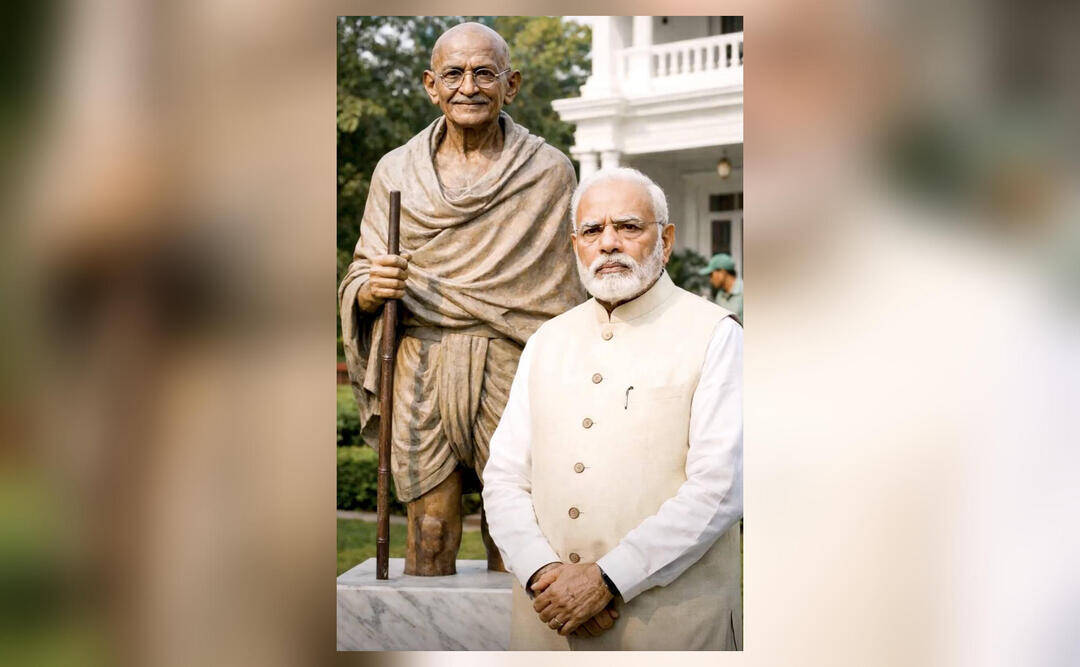
In a bizarre and intriguing turn of events, the Indian National Congress has posted an AI-generated video on social media, which appears to show Prime Minister Narendra Modi engaging in a conversation with a statue of Mahatma Gandhi. The conversation revolves around the proposed replacement of the Mahatma Gandhi National Rural Employment Guarantee Act (MGNREGA) with the Vishwa Bharatiya Ramgarh Aajeevika Mission (VB-RAM G) Act. The video has sparked a flurry of reactions on social media, with many users expressing their surprise and confusion at the unusual clip.
The AI-generated video shows PM Modi standing in front of a statue of Mahatma Gandhi, seemingly engaged in a conversation with the iconic leader. The PM is heard saying that he doesn’t like the fact that the world recognizes India through him and not through the Rashtriya Swayamsevak Sangh (RSS). This statement has raised eyebrows, as it appears to suggest that the PM is seeking to promote the RSS, a right-wing organization that has been associated with the Bharatiya Janata Party (BJP), over his own image.
The statue of Mahatma Gandhi, in a surprising response, tells the PM that the RSS can erase Gandhi, but his thoughts will always live on. This statement has been interpreted by many as a veiled reference to the perceived attempts by the current government to undermine the legacy of Mahatma Gandhi and the values of secularism and inclusivity that he represented.
The video has been widely shared on social media, with many users expressing their amazement at the use of AI technology to create such a realistic and engaging clip. However, others have questioned the authenticity of the video, pointing out that it is AI-generated and may not reflect the actual views or opinions of the individuals involved.
The MGNREGA, which was introduced by the United Progressive Alliance (UPA) government in 2006, guarantees 100 days of wage employment to rural households. The scheme has been widely acclaimed for its role in providing a safety net to rural families and promoting economic growth and development. However, the current government has proposed replacing it with the VB-RAM G Act, which has been criticized by many as an attempt to undermine the existing scheme and promote a more centralized and bureaucratic approach to rural development.
The Congress party has been vocal in its opposition to the proposed replacement of the MGNREGA, arguing that it would harm the interests of rural families and undermine the gains made under the existing scheme. The party has also accused the government of attempting to erase the legacy of Mahatma Gandhi and promote a more divisive and sectarian agenda.
The use of AI technology to create a video featuring the PM and Mahatma Gandhi has raised interesting questions about the role of technology in politics and the potential for AI-generated content to shape public opinion and influence political discourse. While some have praised the creativity and innovative spirit behind the video, others have expressed concerns about the potential for AI-generated content to be used to spread misinformation and propaganda.
In conclusion, the AI-generated video posted by the Congress party has sparked a lively and interesting debate about the role of technology in politics and the potential for AI-generated content to shape public opinion. While the video itself may be seen as a clever and creative attempt to highlight the party’s opposition to the proposed replacement of the MGNREGA, it also raises important questions about the potential risks and challenges associated with the use of AI technology in political discourse.
As the debate around the MGNREGA and the proposed VB-RAM G Act continues to unfold, it will be interesting to see how the use of AI technology and social media platforms shapes the conversation and influences public opinion. One thing is certain, however: the use of AI-generated content in political discourse is likely to become an increasingly important aspect of political communication in the years to come.
Source: https://x.com/INCIndia/status/2003054650417893420
About the Author