Aus terror attack shooter’s estranged wife refuses to claim body
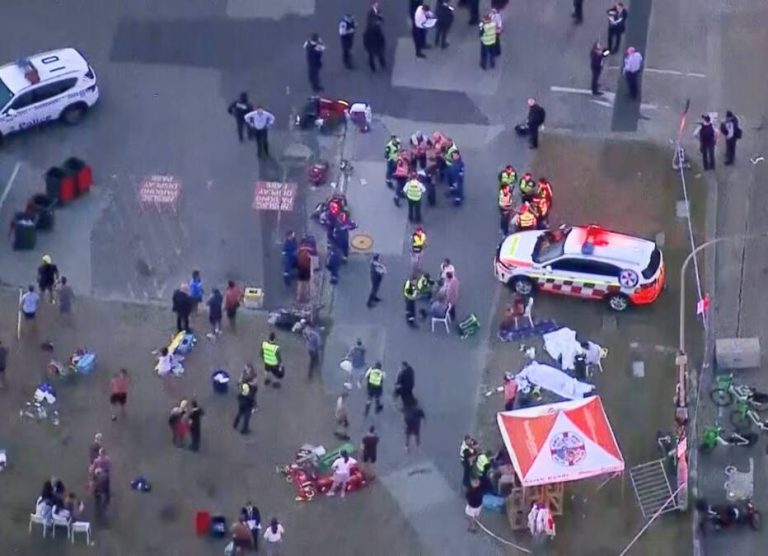
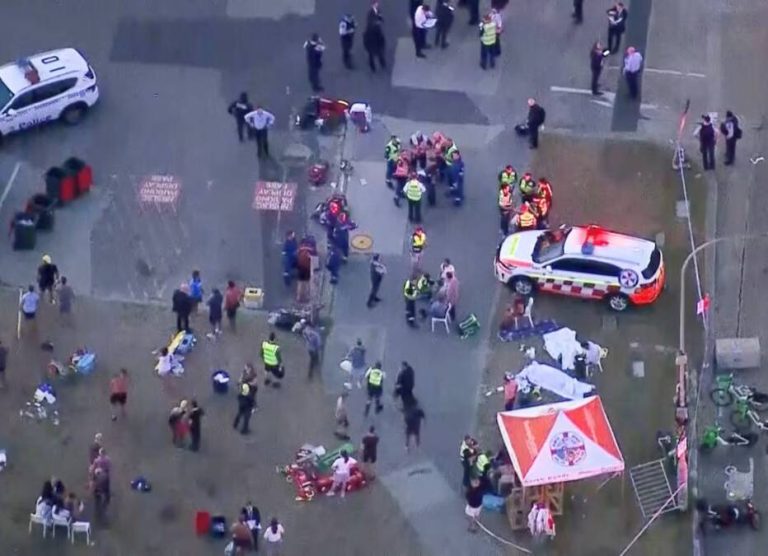
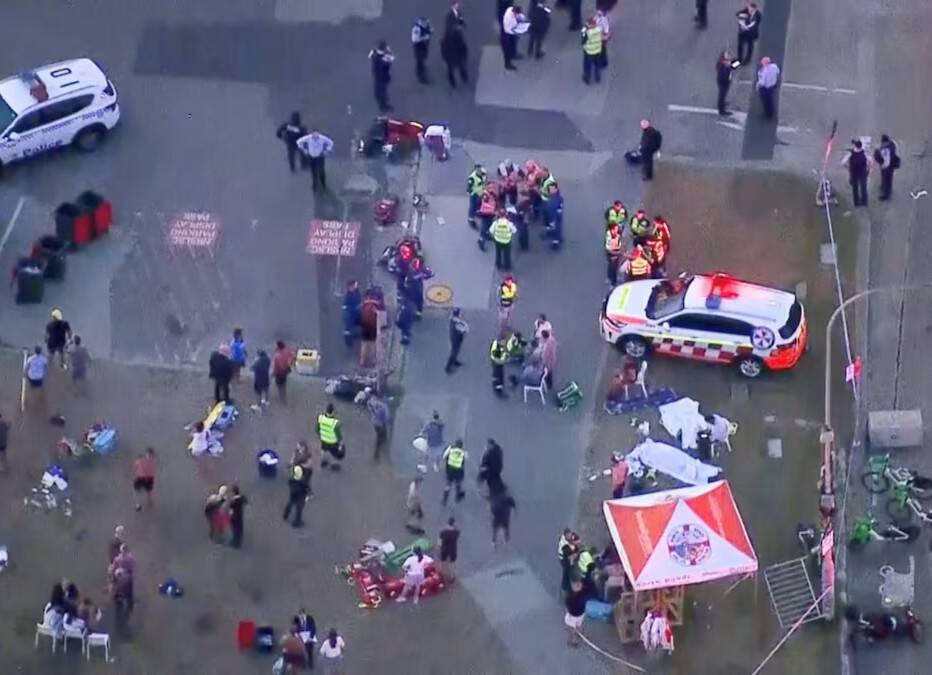
The recent terrorist attack on Bondi Beach in Australia has left the nation reeling, with 15 innocent lives lost and many more injured. The attack, which took place on December 14, was carried out by two men, one of whom was identified as Sajid Akram. In a shocking turn of events, Akram’s estranged wife has refused to claim his body, leaving the authorities responsible for his burial. According to Australian media reports, Akram’s estranged wife has made it clear that she wants nothing to do with him, even in death.
The attack on Bondi Beach was a devastating incident that sent shockwaves across the country. The fact that one of the perpetrators, Sajid Akram, was a homeless man for at least six months prior to the attack has raised questions about the social and economic factors that may have contributed to his radicalization. Reports suggest that Akram’s life was marked by instability and hardship, with his family having minimal contact with him in the months leading up to the attack.
The situation has become even more complex with the involvement of Akram’s son, Naveed, who was apprehended at the scene of the crime and is currently in hospital under police guard. The fact that Naveed was present at the scene and is now in custody has raised questions about the extent of his involvement in the attack, and whether he may have been influenced by his father’s extremist ideology.
The refusal of Akram’s estranged wife to claim his body has significant implications for the authorities, who are now responsible for arranging his burial. This is a complex and sensitive issue, as it involves navigating the cultural and religious traditions of the deceased, while also ensuring that the burial is carried out in a dignified and respectful manner.
The fact that Akram’s estranged wife has chosen to distance herself from him, even in death, is a telling indication of the extent to which he had become isolated and disconnected from his family and community. This isolation is a common theme in many cases of radicalization, where individuals become increasingly disconnected from their loved ones and their community, and seek a sense of belonging and purpose in extremist ideologies.
The Australian government has faced criticism for its handling of the attack, with some arguing that it had failed to do enough to prevent the radicalization of individuals like Akram. The government has responded by announcing a range of measures aimed at preventing extremism and promoting social cohesion, including increased funding for community programs and initiatives to counter online extremism.
The attack on Bondi Beach has also raised questions about the role of social media and online platforms in promoting extremist ideologies. Akram and his accomplice were reportedly influenced by online propaganda and extremist material, which they used to justify and plan their attack. The Australian government has announced plans to crack down on online extremism, including introducing new laws to regulate social media companies and prevent the spread of extremist content.
In conclusion, the refusal of Sajid Akram’s estranged wife to claim his body is a significant development in the aftermath of the Bondi Beach terrorist attack. It highlights the complexity and sensitivity of the issues surrounding the attack, and the need for a nuanced and multifaceted response to address the root causes of extremism. As Australia continues to grapple with the aftermath of the attack, it is clear that a comprehensive and coordinated approach is needed to prevent further incidents of this kind, and to promote social cohesion and community resilience.
The situation is a stark reminder of the devastating consequences of terrorism and the importance of addressing the social and economic factors that contribute to radicalization. It is a tragedy that 15 innocent lives were lost in the attack, and that many more were injured. The fact that Akram’s estranged wife has refused to claim his body is a poignant reminder of the human cost of extremism, and the need for a compassionate and inclusive approach to addressing the complex issues surrounding it.
As the investigation into the attack continues, it is clear that there are many questions that still need to be answered. What drove Akram and his accomplice to carry out such a horrific act of violence? How can we prevent similar incidents from occurring in the future? And what support can be provided to the families and loved ones of the victims, as well as to those who have been affected by the attack?
These are complex and difficult questions, and there are no easy answers. However, it is clear that a comprehensive and coordinated approach is needed to address the root causes of extremism, and to promote social cohesion and community resilience. This includes providing support to individuals and families who are vulnerable to radicalization, as well as addressing the social and economic factors that contribute to extremism.
It also requires a nuanced and sensitive approach to addressing the complex issues surrounding the attack, including the role of social media and online platforms in promoting extremist ideologies. By working together and adopting a comprehensive and multifaceted approach, we can hope to prevent further incidents of this kind, and to promote a more inclusive and compassionate society for all.
About the Author