Bitcoin is a form of money, but not as attractive as gold: Dalio
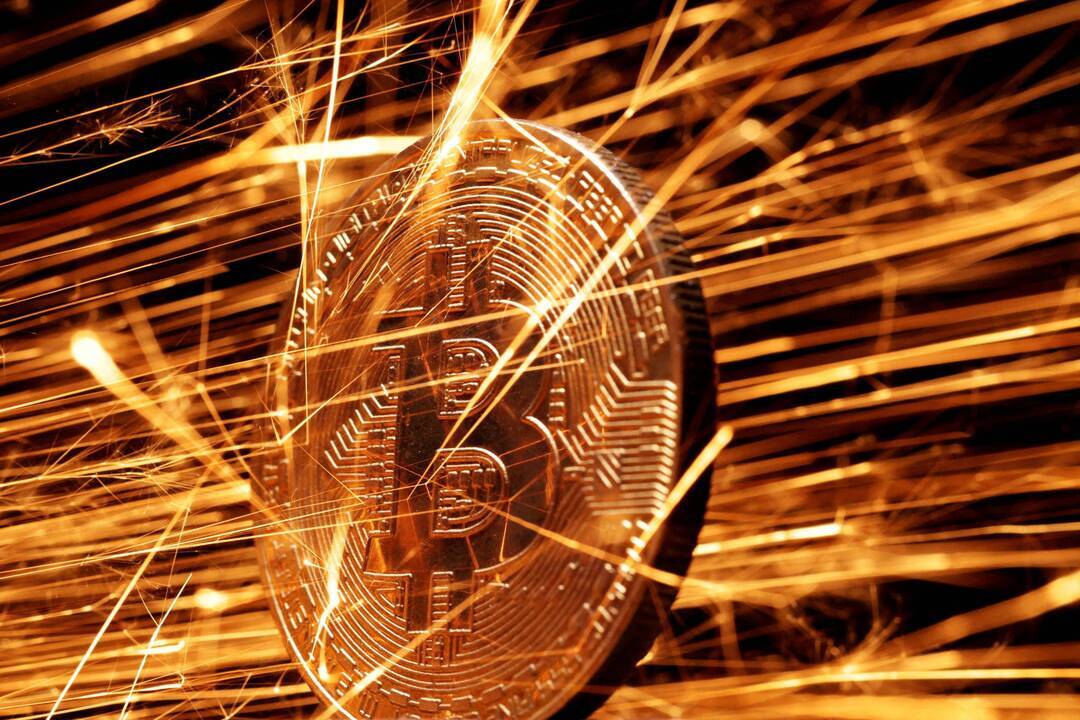
The world of cryptocurrency has been abuzz with the latest statement from billionaire hedge fund manager Ray Dalio, who has weighed in on the debate about the merits of Bitcoin as a form of money. In a recent interview, Dalio stated that Bitcoin is indeed a “form of money,” but he was quick to add that it is not as attractive as gold. This statement has sparked a flurry of discussion among investors, economists, and cryptocurrency enthusiasts, with many eager to understand the reasoning behind Dalio’s assertion.
To begin with, it is essential to understand why Dalio considers Bitcoin to be a form of money. In his view, Bitcoin meets the basic criteria of what constitutes money, which includes being a medium of exchange, a store of value, and a unit of account. Bitcoin, like traditional fiat currencies, can be used to purchase goods and services, and its value can be stored and transferred digitally. Moreover, Bitcoin’s decentralized nature and limited supply have led many to believe that it has the potential to be a viable alternative to traditional currencies.
However, Dalio’s enthusiasm for Bitcoin as a form of money is tempered by his concerns about its limitations and vulnerabilities. One of the primary drawbacks of Bitcoin, according to Dalio, is that governments can monitor and interfere with Bitcoin transactions. Unlike gold, which is a physical commodity that can be stored and transferred without the need for intermediaries, Bitcoin transactions are recorded on a public ledger called the blockchain. While the blockchain is decentralized and transparent, it is also susceptible to government scrutiny and regulation.
This is a significant concern for investors and users who value the anonymity and freedom that Bitcoin is supposed to provide. If governments can monitor and interfere with Bitcoin transactions, it undermines the very principles of decentralization and autonomy that underpin the cryptocurrency. Furthermore, the ability of governments to regulate and restrict Bitcoin transactions could lead to a loss of confidence in the currency, which could have a negative impact on its value.
Another reason why Dalio prefers gold to Bitcoin is that it is a more established and widely accepted store of value. Gold has been a trusted store of value for centuries, and its value is not dependent on the whims of governments or the vagaries of the market. In contrast, Bitcoin is a relatively new and untested asset, and its value is subject to significant fluctuations. While some investors have made fortunes investing in Bitcoin, others have lost money due to its volatility.
Dalio also expressed skepticism about the likelihood of central banks and other institutional investors holding Bitcoin in significant numbers. He cited multiple problems, including the lack of regulatory clarity, the risk of price volatility, and the potential for government interference. These concerns are not unfounded, as many central banks and regulatory bodies have expressed reservations about the use of Bitcoin and other cryptocurrencies.
Despite these limitations, Dalio’s statement that Bitcoin is a form of money is significant. It acknowledges that Bitcoin has a role to play in the global financial system and that it is not just a speculative asset or a fad. However, it also highlights the challenges that Bitcoin and other cryptocurrencies face in terms of regulatory uncertainty, security risks, and competition from traditional assets like gold.
In conclusion, Ray Dalio’s statement that Bitcoin is a form of money but not as attractive as gold is a nuanced and thought-provoking assessment of the cryptocurrency’s merits and limitations. While Bitcoin has the potential to be a viable alternative to traditional currencies, its vulnerabilities and limitations make it less attractive than gold, which is a more established and widely accepted store of value. As the debate about the role of Bitcoin and other cryptocurrencies in the global financial system continues, it is essential to consider the perspectives of experienced investors and economists like Dalio, who can provide valuable insights into the opportunities and challenges that these assets present.
About the Author