Aus Terror Attack Shooter’s Estranged Wife Refuses to Claim Body
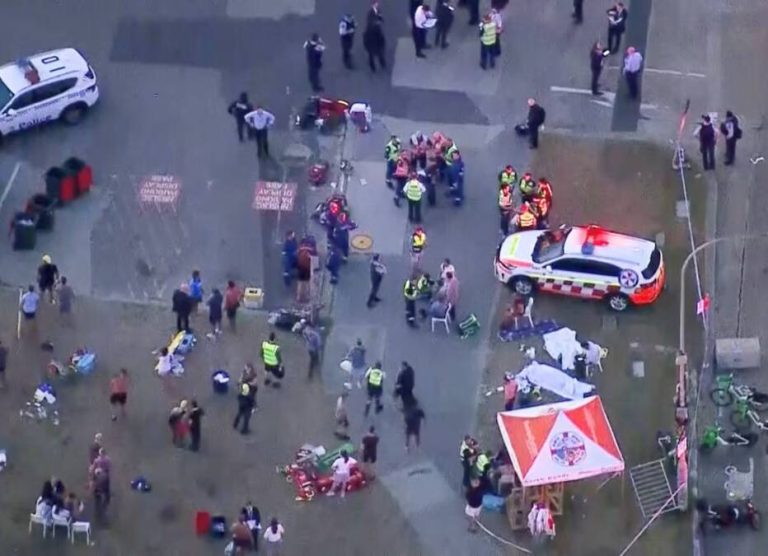
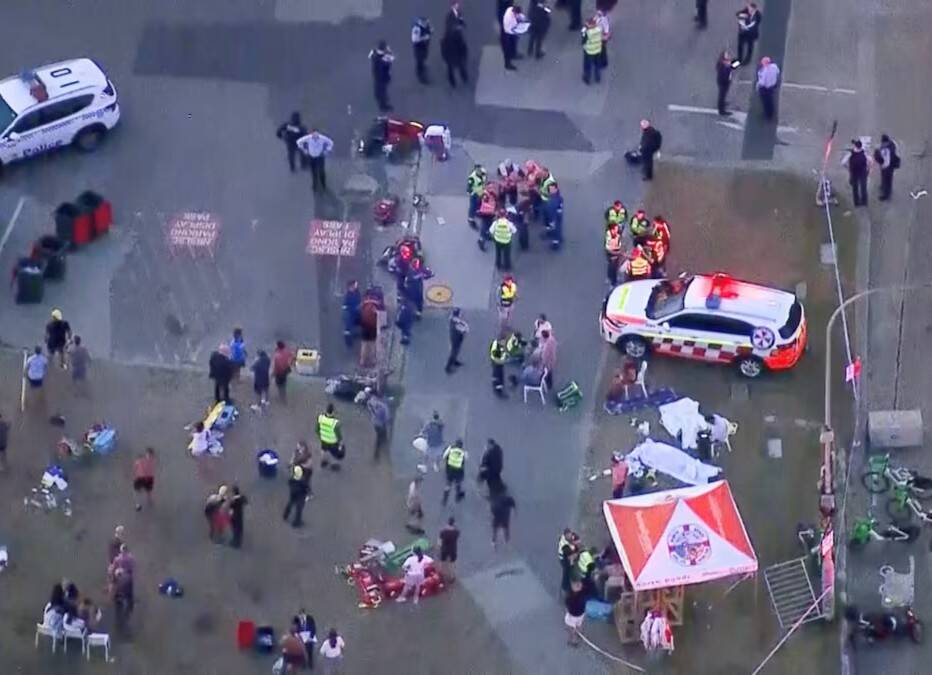
The devastating terror attack that shook the hearts of Australians on December 14 has taken a new turn with the revelation that the estranged wife of one of the shooters has refused to claim his body. Sajid Akram, the Bondi Beach shooter, was one of the two men responsible for the deadly attack that claimed the lives of 15 innocent people. According to reports from Australian media, Akram’s estranged wife has made it clear that she wants nothing to do with him, even in death.
The attack, which sent shockwaves across the nation, has left many questions unanswered. As the investigation continues, it has been reported that Akram was homeless for at least six months prior to the attack. This raises concerns about the support systems in place for individuals who may be struggling with mental health issues or other challenges that could lead them down a path of radicalization.
In a shocking turn of events, Akram’s son, Naveed, was apprehended on the scene and is currently in hospital under police guard. The circumstances surrounding Naveed’s involvement in the attack are still unclear, and it is not known at this time what charges he may face.
The refusal of Akram’s estranged wife to claim his body has left authorities responsible for his burial. This decision has sparked debate about the responsibility of families to claim the bodies of loved ones who have committed heinous crimes. While some argue that families should take responsibility for their loved ones, regardless of their actions, others believe that the state should bear the burden of caring for the bodies of those who have committed such atrocities.
The situation highlights the complexities of dealing with the aftermath of a terror attack. The emotional toll on families and loved ones of those involved cannot be overstated. The fact that Akram’s estranged wife has chosen to distance herself from him, even in death, speaks to the depth of the trauma and pain that his actions have caused.
As the community continues to grapple with the aftermath of the attack, there are many questions about what could have been done to prevent such a tragedy. The fact that Akram was homeless for an extended period raises concerns about the support systems in place for vulnerable individuals. It also highlights the need for greater investment in mental health services and social support programs.
The investigation into the attack is ongoing, and it is likely that more information will come to light in the coming days and weeks. As the nation continues to mourn the loss of innocent lives, it is essential that we also take the time to reflect on the underlying issues that may have contributed to this tragedy.
In the meantime, the people of Australia will continue to come together to support one another and to rebuild in the face of adversity. The resilience and strength of the Australian community have been evident in the outpouring of support for the victims and their families.
As we move forward, it is essential that we prioritize the safety and well-being of all members of our community. This includes investing in programs and services that support vulnerable individuals, as well as working to prevent radicalization and extremism.
The refusal of Akram’s estranged wife to claim his body serves as a poignant reminder of the devastating consequences of terrorism. It is a stark reminder of the pain and trauma that such acts can cause, not just for the victims and their families but also for the loved ones of those who perpetrate such atrocities.
In conclusion, the situation surrounding the Bondi Beach shooter’s estranged wife refusing to claim his body is a complex and multifaceted one. It highlights the need for greater support systems for vulnerable individuals, as well as the importance of prioritizing the safety and well-being of all members of our community. As we continue to navigate the aftermath of this tragedy, it is essential that we come together to support one another and to work towards a safer, more compassionate society for all.
About the Author