Bitcoin is a form of money, but not as attractive as gold: Dalio
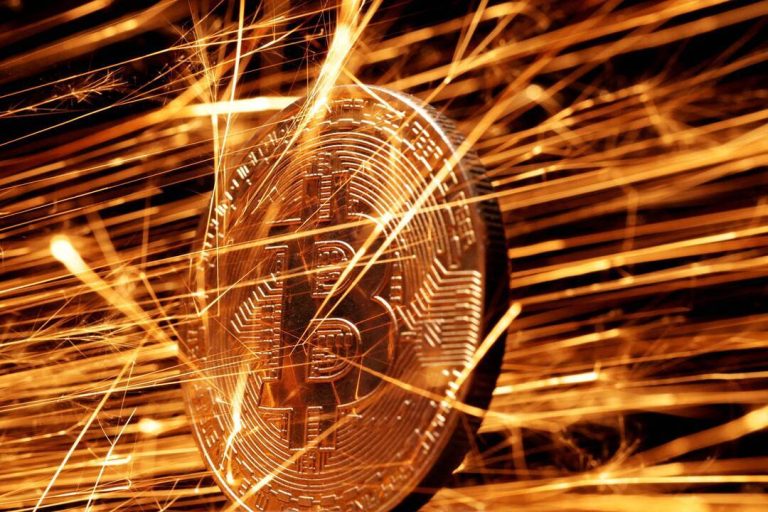
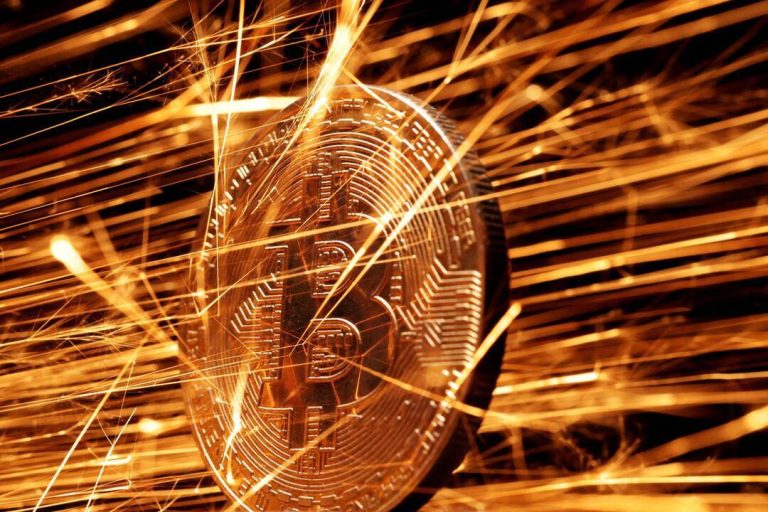
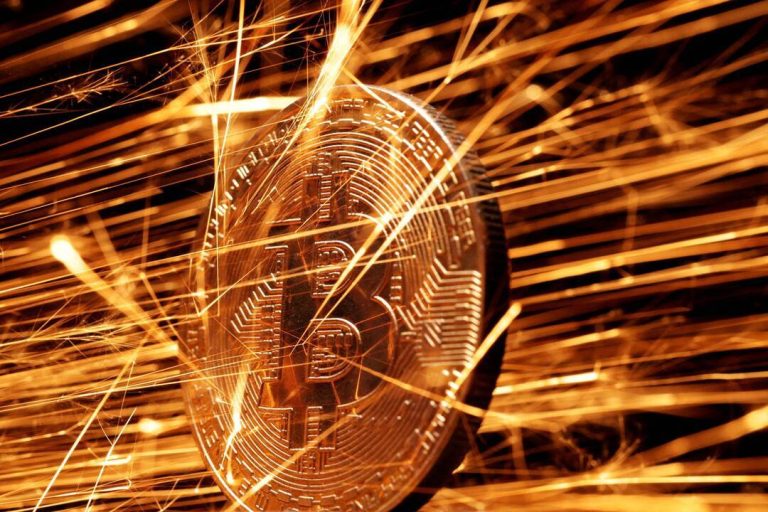
The world of cryptocurrency has been abuzz with the rise of Bitcoin, with many investors and financial experts weighing in on its potential as a form of money. Recently, billionaire hedge fund manager Ray Dalio shared his thoughts on the matter, stating that while Bitcoin does qualify as a form of money, it still can’t match the allure of gold. In this blog post, we’ll delve into Dalio’s comments and explore the implications of his statements.
According to Dalio, Bitcoin meets the basic criteria of money, which includes being a medium of exchange, a unit of account, and a store of value. However, he believes that the cryptocurrency falls short when compared to gold, a traditional store of value that has been widely accepted for centuries. Dalio’s comments highlight the ongoing debate about the role of Bitcoin in the financial system and its potential to rival traditional forms of money.
One of the main reasons Dalio cites for Bitcoin’s relative lack of attractiveness is its vulnerability to government monitoring and interference. Unlike gold, which is a physical asset that can be stored and transferred without the need for intermediaries, Bitcoin transactions can be tracked and regulated by governments. This, Dalio argues, makes it less appealing to investors who value anonymity and freedom from government control.
Another issue Dalio raises is the likelihood of central banks and other institutional investors holding Bitcoin in significant numbers. While some investors have begun to dip their toes into the cryptocurrency market, Dalio believes that the risks and uncertainties associated with Bitcoin will prevent it from being widely adopted by mainstream financial institutions. This, he claims, is due to a range of problems, including the cryptocurrency’s volatility, lack of regulatory clarity, and security concerns.
Dalio’s comments are significant, given his reputation as a seasoned investor and founder of Bridgewater Associates, one of the world’s largest hedge funds. His views on Bitcoin reflect a broader skepticism among some investors and financial experts, who question the cryptocurrency’s long-term potential and stability. While some have hailed Bitcoin as a revolutionary new form of money, others see it as a speculative bubble waiting to burst.
Despite these concerns, Bitcoin has continued to attract attention and investment from a wide range of sources. The cryptocurrency’s price has fluctuated wildly over the past year, with some periods of rapid growth followed by sharp declines. However, its market capitalization has grown significantly, and it is now widely recognized as a major player in the global financial system.
So, what does the future hold for Bitcoin and other cryptocurrencies? While Dalio’s comments suggest that Bitcoin may not be as attractive as gold, they do not necessarily rule out the possibility of the cryptocurrency playing a significant role in the financial system. As regulators and investors continue to grapple with the implications of cryptocurrency, it is likely that we will see further innovation and development in the space.
In conclusion, Ray Dalio’s comments on Bitcoin highlight the ongoing debate about the role of cryptocurrency in the financial system. While Bitcoin may qualify as a form of money, its attractiveness is limited by its vulnerability to government monitoring and interference, as well as its relative lack of stability and regulatory clarity. As the financial world continues to evolve, it will be interesting to see how Bitcoin and other cryptocurrencies navigate these challenges and shape the future of money.
For more information on this story, please visit: https://www.timesnownews.com/business-economy/economy/bitcoin-qualifies-as-money-but-still-cant-match-gold-ray-dalio-explains-article-153330798/amp
About the Author