Aus terror attack shooter’s estranged wife refuses to claim body
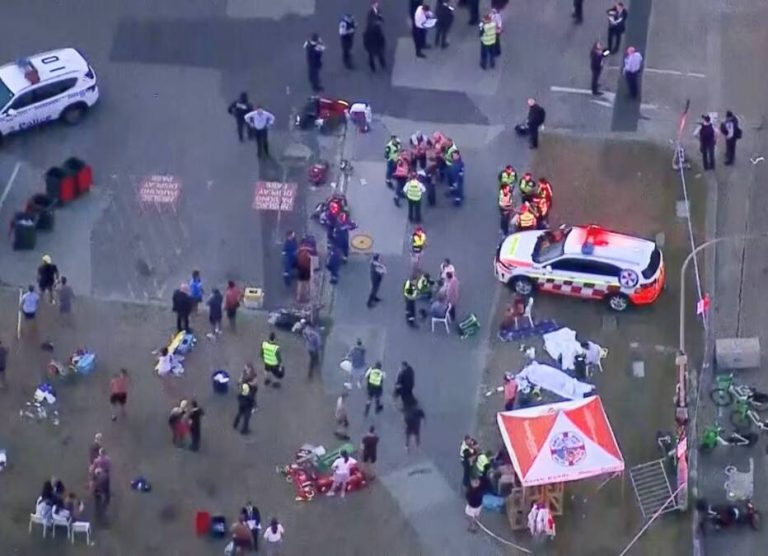
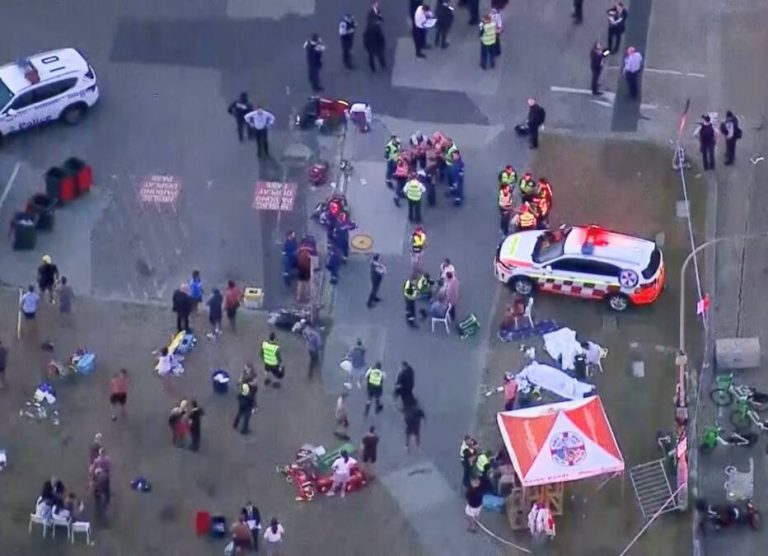
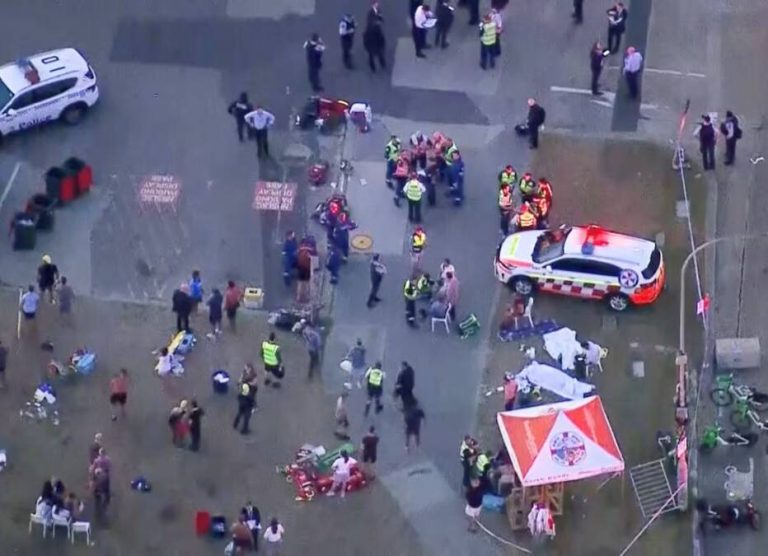
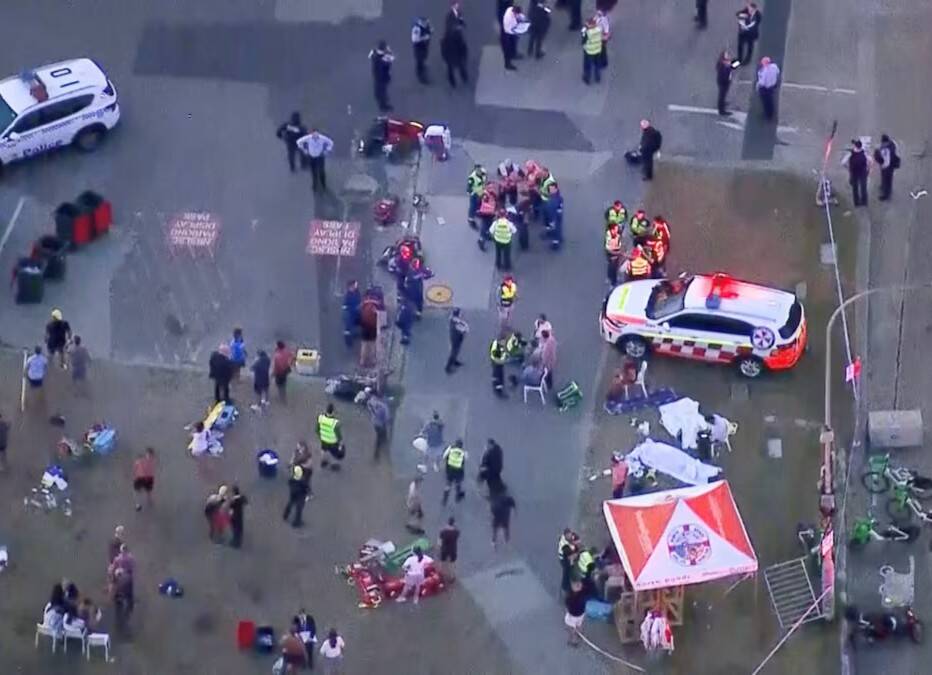
The recent terror attack on Bondi Beach has left the nation in shock and mourning, with 15 innocent lives lost in the senseless act of violence. As the investigation into the attack continues, new details have emerged about the perpetrators, including Sajid Akram, one of the two men behind the deadly attack. In a shocking turn of events, Akram’s estranged wife has refused to claim his body, leaving authorities responsible for his burial.
According to Australian media, Akram’s estranged wife has made it clear that she wants nothing to do with him, even in death. This decision has sparked a range of emotions, from shock and outrage to understanding and sympathy. While some may question the wife’s decision, others may see it as a testament to the complexity and challenges of dealing with a loved one who has committed such a heinous act.
As the news of Akram’s estranged wife’s decision broke, many were left wondering about the circumstances that led to this point. Reports have emerged that Akram was homeless for at least six months prior to the attack, highlighting the difficulties and challenges he faced in his personal life. Despite these challenges, it is clear that Akram’s actions on December 14 were inexcusable and have caused irreparable harm to the families of the victims.
The investigation into the attack has also revealed that Akram’s son, Naveed, was apprehended on the scene and is currently in hospital under police guard. The circumstances surrounding Naveed’s involvement in the attack are still unclear, and it is likely that more information will emerge in the coming days and weeks.
As the community comes to terms with the aftermath of the attack, many are left grappling with the question of how such a tragedy could have occurred. The fact that Akram was homeless for an extended period raises questions about the support systems in place for individuals struggling with mental health issues, poverty, and social isolation.
In the wake of the attack, there have been calls for increased funding and resources to support vulnerable individuals and communities. While these efforts are crucial, it is also important to recognize that the road to recovery and healing will be long and challenging. The families of the victims, as well as the wider community, will need ongoing support and care as they navigate the aftermath of this tragedy.
The decision of Akram’s estranged wife to refuse to claim his body has also sparked a wider conversation about the complexities of family relationships and the challenges of dealing with a loved one who has committed a heinous act. While some may see her decision as a rejection of Akram’s actions, others may view it as a necessary step in protecting herself and her family from further harm.
As the investigation into the attack continues, it is likely that more details will emerge about Akram’s background and the circumstances that led to the tragedy. However, one thing is clear: the impact of this attack will be felt for a long time to come, and it will take a collective effort from the community, authorities, and support services to help those affected heal and recover.
In conclusion, the news that Sajid Akram’s estranged wife has refused to claim his body is a sobering reminder of the complexities and challenges that arise in the aftermath of a tragedy. As we continue to grapple with the implications of this attack, it is essential that we prioritize support for the families of the victims, as well as the wider community. By working together and providing ongoing care and resources, we can help those affected by this tragedy to heal and recover.
About the Author