Aus terror attack shooter’s estranged wife refuses to claim body
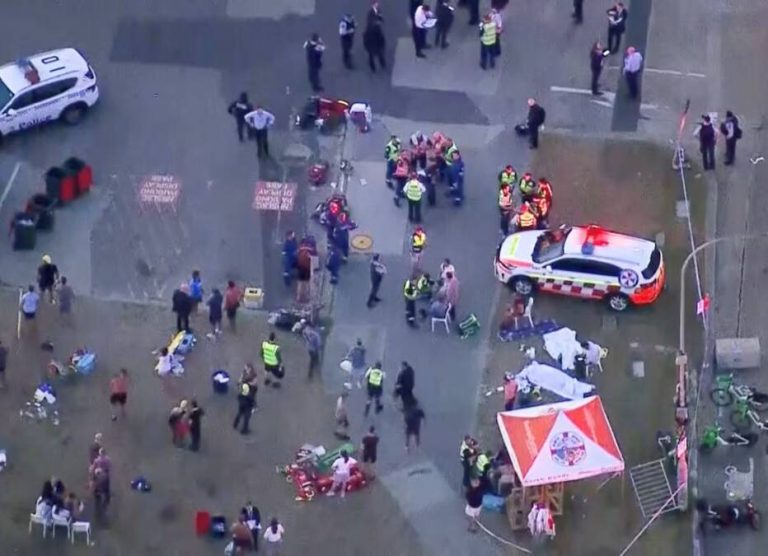
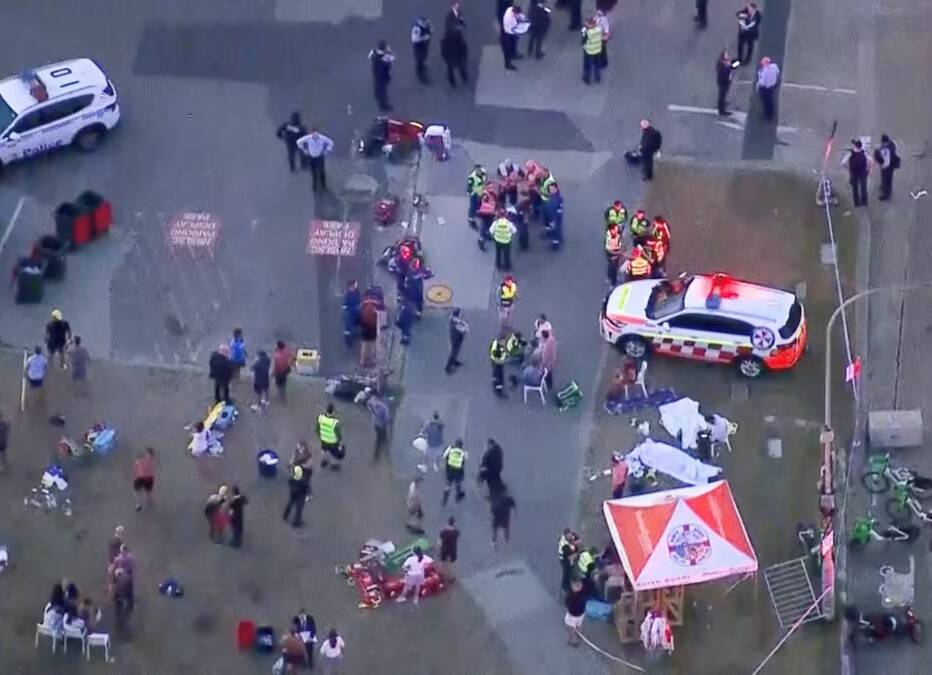
The recent terrorist attack on Bondi Beach in Australia has left the nation in shock and grief. On December 14, two men carried out a deadly attack that resulted in the loss of 15 innocent lives. One of the perpetrators, Sajid Akram, was killed during the incident. However, in a shocking turn of events, Akram’s estranged wife has refused to claim his body, leaving the authorities responsible for his burial.
According to Australian media reports, Akram’s estranged wife has made it clear that she wants nothing to do with him, even in death. This decision has raised several questions about the life and circumstances of the shooter. Reports have emerged that Akram was homeless for at least six months prior to the attack, highlighting the complexities of his life and the potential factors that may have contributed to his radicalization.
The attack on Bondi Beach was a devastating incident that sent shockwaves across the country. The fact that one of the perpetrators was able to carry out such a heinous act despite being homeless and allegedly struggling with personal issues has raised concerns about the support systems in place for individuals who may be vulnerable to radicalization.
Sajid Akram’s personal life was also marked by turmoil. His estranged wife’s decision to refuse his body is a testament to the strained relationships he had with his loved ones. Furthermore, his son, Naveed, was apprehended on the scene and is currently in hospital under police guard. The fact that Naveed was involved in the incident, albeit in what capacity is not entirely clear, has raised questions about the extent to which family members may have been aware of Akram’s plans.
The investigation into the attack is ongoing, and authorities are working to piece together the events leading up to the incident. However, the fact that Akram was homeless for an extended period has highlighted the need for greater support systems for individuals who may be struggling with poverty, mental health issues, or other challenges.
The refusal of Akram’s estranged wife to claim his body has also sparked a debate about the responsibility of families and communities in preventing radicalization. While it is impossible to predict with certainty whether someone will become radicalized, it is clear that a combination of factors, including social isolation, poverty, and mental health issues, can contribute to an individual’s vulnerability.
In the aftermath of the attack, the Australian government has announced plans to review its counter-terrorism strategies and to provide additional support for communities that may be vulnerable to radicalization. These measures are a step in the right direction, but more needs to be done to address the root causes of radicalization and to provide support for individuals who may be at risk.
The story of Sajid Akram and his estranged wife serves as a tragic reminder of the complexities of radicalization and the need for a comprehensive approach to preventing such incidents in the future. As the investigation into the attack continues, it is essential that we also examine the social and economic factors that may have contributed to Akram’s actions.
In conclusion, the refusal of Sajid Akram’s estranged wife to claim his body is a sobering reminder of the devastating consequences of radicalization. As we move forward, it is essential that we prioritize the development of support systems for individuals who may be vulnerable to radicalization and that we work to address the root causes of such incidents. By doing so, we can hope to prevent similar tragedies from occurring in the future.
About the Author