Bitcoin is a form of money, but not as attractive as gold: Dalio
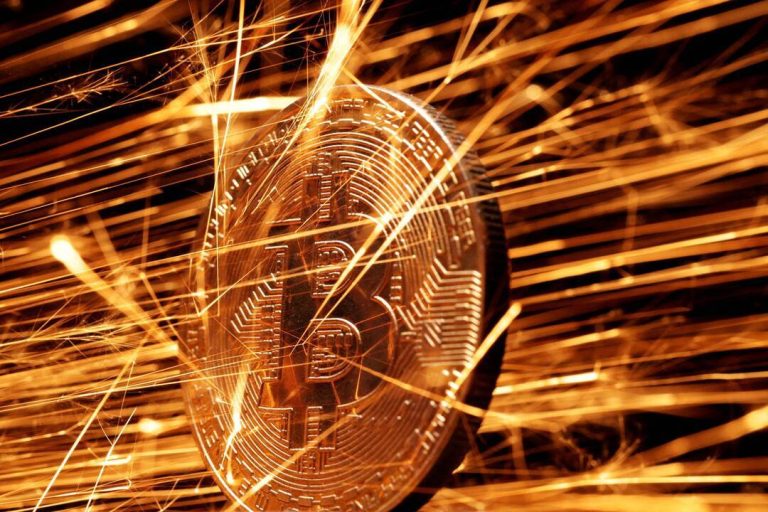
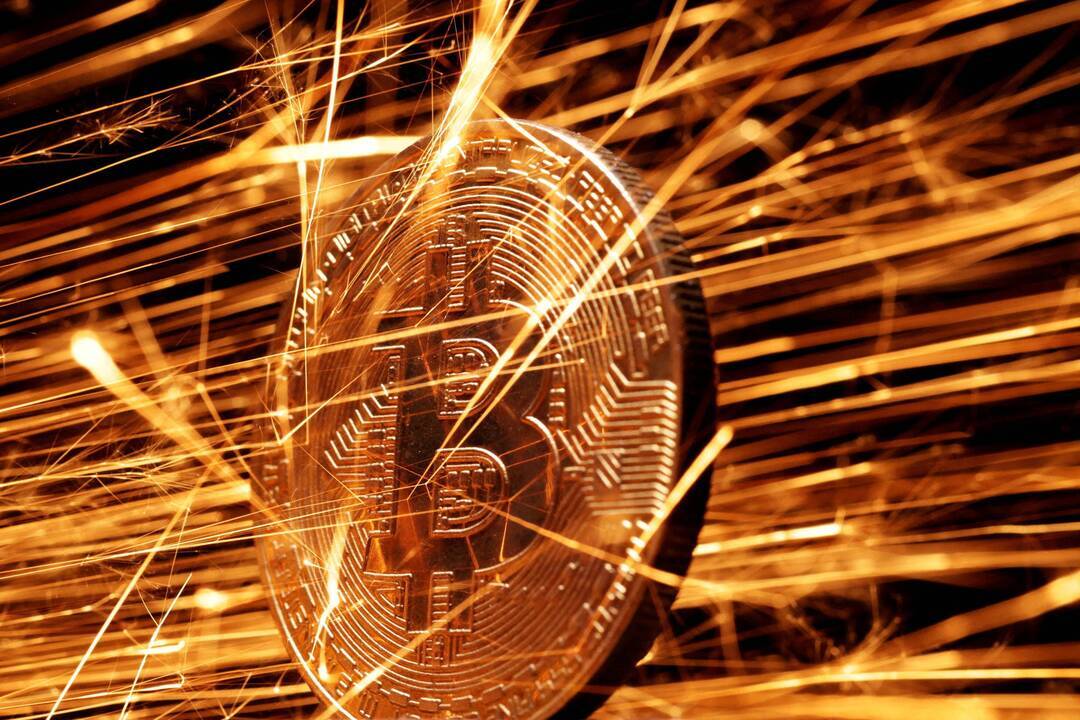
The world of cryptocurrency has been abuzz with the recent comments made by billionaire hedge fund manager, Ray Dalio. In a statement that has sent ripples through the financial community, Dalio said that Bitcoin is indeed a “form of money” but falls short of being as attractive as gold. This assertion has sparked a debate among investors, economists, and cryptocurrency enthusiasts, with many weighing in on the merits of Bitcoin as a viable form of currency.
Dalio’s comments come at a time when the value of Bitcoin has been experiencing significant fluctuations, leaving many to question its stability and potential for long-term growth. While some have hailed Bitcoin as a revolutionary new form of money, others have expressed concerns about its lack of regulation, security risks, and volatility. Dalio’s statement seems to strike a balance between these two extremes, acknowledging Bitcoin’s status as a form of money while also highlighting its limitations.
One of the primary reasons Dalio cites for Bitcoin’s inferiority to gold is the fact that governments can monitor and interfere with Bitcoin transactions. Unlike gold, which is a physical commodity that can be stored and transferred without the need for digital infrastructure, Bitcoin exists solely in the digital realm. This makes it vulnerable to government surveillance and regulation, which could potentially limit its use and value. Dalio notes that this lack of anonymity and freedom from government interference makes Bitcoin less appealing to investors who value their privacy and autonomy.
Another issue that Dalio raises is the likelihood of central banks and other institutional investors holding Bitcoin in significant numbers. According to him, there are multiple problems that make it unlikely for Bitcoin to be widely adopted by these entities. One of the main concerns is the lack of regulatory clarity surrounding Bitcoin, which makes it difficult for institutions to navigate the complex landscape of laws and regulations governing cryptocurrency. Additionally, the security risks associated with Bitcoin, such as the risk of hacking and theft, may also deter institutional investors from holding large amounts of the cryptocurrency.
Despite these limitations, Dalio’s acknowledgement of Bitcoin as a form of money is significant. It recognizes the fact that Bitcoin has gained widespread acceptance and is being used as a medium of exchange, store of value, and unit of account – the three primary functions of money. This recognition is important, as it suggests that Bitcoin has transcended its origins as a niche cryptocurrency and has become a legitimate player in the global financial system.
However, Dalio’s comments also highlight the challenges that Bitcoin faces in terms of gaining widespread acceptance and becoming a mainstream form of money. The fact that governments can monitor and interfere with Bitcoin transactions, combined with the lack of regulatory clarity and security risks, makes it unlikely that Bitcoin will replace traditional forms of money anytime soon. Instead, it is likely to occupy a niche role as a speculative investment and a means of exchange for certain types of transactions.
In contrast, gold has long been considered a safe-haven asset and a store of value, due to its rarity, durability, and limited supply. Unlike Bitcoin, gold is not subject to the same level of government surveillance and regulation, and its value is not as volatile. These factors make gold a more attractive option for investors who are looking for a stable and secure store of value.
In conclusion, Ray Dalio’s comments on Bitcoin highlight the complexities and challenges surrounding the cryptocurrency. While Bitcoin may be a form of money, it is not without its limitations and drawbacks. The fact that governments can monitor and interfere with Bitcoin transactions, combined with the lack of regulatory clarity and security risks, makes it unlikely that Bitcoin will become a widely accepted form of money. Instead, it is likely to occupy a niche role as a speculative investment and a means of exchange for certain types of transactions. As the global financial system continues to evolve, it will be interesting to see how Bitcoin and other cryptocurrencies navigate these challenges and adapt to changing regulatory and market conditions.
About the Author