Bitcoin is a form of money, but not as attractive as gold: Dalio
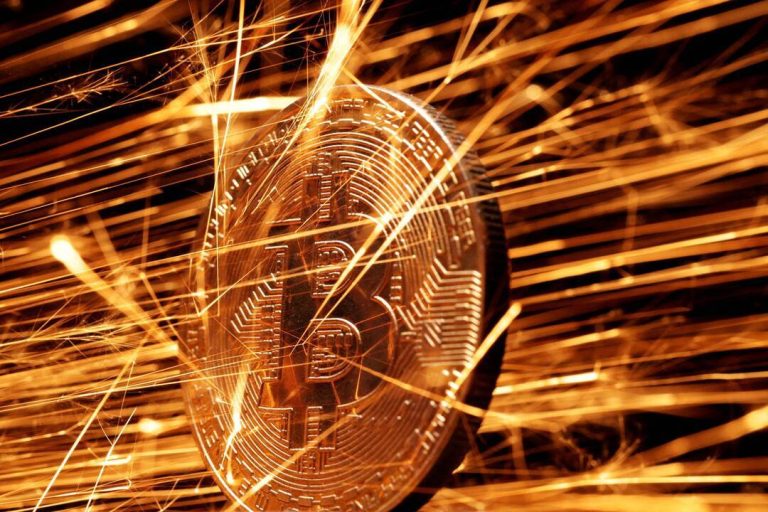
The world of cryptocurrency has been abuzz with the recent comments made by billionaire hedge fund manager, Ray Dalio. In a statement that has sparked both interest and debate, Dalio referred to Bitcoin as a “form of money” but emphasized that it still falls short of gold in terms of attractiveness. This assertion has led to a flurry of discussions among investors, economists, and cryptocurrency enthusiasts, all of whom are eager to understand the implications of Dalio’s statement.
To begin with, it is essential to acknowledge that Dalio’s recognition of Bitcoin as a form of money is a significant endorsement. As the founder of Bridgewater Associates, one of the world’s largest hedge funds, Dalio’s opinions carry substantial weight in the financial community. His statement suggests that Bitcoin has, to some extent, achieved a level of legitimacy and recognition as a store of value and a medium of exchange. This is a crucial milestone for the cryptocurrency, which has often been criticized for its volatility and lack of regulatory oversight.
However, Dalio’s enthusiasm for Bitcoin is tempered by his belief that it is not as attractive as gold. According to him, one of the primary reasons for this is that governments can monitor and interfere with Bitcoin transactions. Unlike gold, which is a physical commodity that can be stored and transferred without the need for a centralized authority, Bitcoin transactions are recorded on a public ledger called the blockchain. While this transparency is often touted as a benefit of cryptocurrency, it also means that governments and regulatory bodies can track and potentially control Bitcoin transactions.
This is a critical concern for investors who value the anonymity and decentralization that cryptocurrency is supposed to provide. If governments can indeed monitor and interfere with Bitcoin transactions, it could undermine the very principles of freedom and autonomy that underpin the cryptocurrency movement. Furthermore, the potential for government interference could also limit the adoption of Bitcoin as a store of value, as investors may be deterred by the risk of regulatory scrutiny or even confiscation.
Another reason why Dalio believes that Bitcoin is less attractive than gold is that it is unlikely to be held in significant numbers by central banks and other institutions. According to him, there are multiple problems associated with Bitcoin that make it an unappealing asset for large-scale investors. These problems include the cryptocurrency’s volatility, lack of liquidity, and vulnerability to hacking and other forms of cyber attack. While gold, on the other hand, is a well-established and widely accepted store of value that is held by central banks and institutions around the world.
It is worth noting that Dalio’s comments are not entirely negative. He does acknowledge that Bitcoin has some attractive features, such as its potential for diversification and its ability to provide a hedge against inflation. However, these benefits are outweighed by the cryptocurrency’s limitations and risks, at least in Dalio’s opinion. Ultimately, his statement serves as a reminder that Bitcoin still has a long way to go before it can be considered a truly viable alternative to traditional forms of money.
In conclusion, Ray Dalio’s comments on Bitcoin have sparked an important debate about the cryptocurrency’s role in the financial system. While his recognition of Bitcoin as a form of money is a significant endorsement, his skepticism about its attractiveness compared to gold is a sobering reminder of the challenges that the cryptocurrency still faces. As the world of cryptocurrency continues to evolve, it will be interesting to see how Bitcoin responds to these challenges and whether it can overcome the limitations that Dalio has identified.
For now, investors and enthusiasts will have to weigh the pros and cons of Bitcoin and decide for themselves whether it is a worthwhile investment opportunity. While some may be deterred by the risks and limitations associated with the cryptocurrency, others may be attracted to its potential for growth and innovation. One thing is certain, however: the debate about Bitcoin’s role in the financial system is far from over, and Ray Dalio’s comments are just the latest contribution to this ongoing discussion.
About the Author