Bitcoin is a form of money, but not as attractive as gold: Dalio
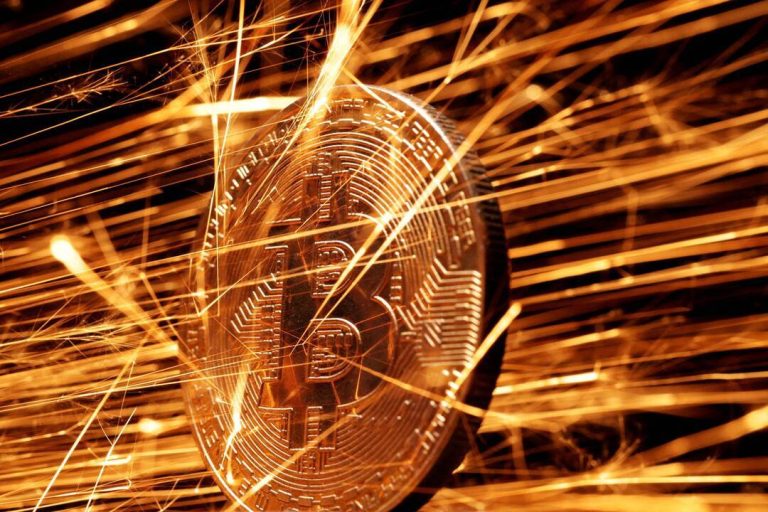
The world of cryptocurrency has been abuzz with the recent statements made by billionaire hedge fund manager Ray Dalio. In a surprising turn of events, Dalio acknowledged that Bitcoin can be considered a “form of money.” However, he was quick to add that it still lags behind gold in terms of attractiveness. According to Dalio, the primary reason for this disparity lies in the fact that governments can monitor and interfere with Bitcoin transactions, unlike gold.
For those who are new to the world of cryptocurrency, Bitcoin is a digital or virtual currency that uses cryptography for security and is decentralized, meaning it is not controlled by any government or financial institution. It was created in 2009 by an anonymous individual or group using the pseudonym Satoshi Nakamoto. Since its inception, Bitcoin has gained popularity and has become a widely accepted form of payment, with many businesses and individuals investing in it.
On the other hand, gold has been a highly valued commodity for centuries, often used as a store of value and a hedge against inflation. It is widely regarded as a safe-haven asset, and its value tends to increase during times of economic uncertainty. Gold is also limited in supply, which adds to its value and scarcity.
Dalio’s statement highlights the key differences between Bitcoin and gold. While both can be considered forms of money, they have distinct characteristics that set them apart. Bitcoin’s digital nature makes it susceptible to government interference, which could potentially limit its adoption and use. On the other hand, gold’s physical nature and limited supply make it a more attractive option for those looking to store value or hedge against inflation.
One of the primary concerns surrounding Bitcoin is its lack of regulation. Unlike traditional currencies, which are regulated by central banks and governments, Bitcoin operates independently of these institutions. This lack of regulation makes it difficult for governments to monitor and control Bitcoin transactions, which could lead to illicit activities such as money laundering and terrorist financing.
Furthermore, Dalio stated that it’s unlikely that central banks and other institutions will hold Bitcoin in significant numbers due to multiple problems. One of the primary concerns is the lack of stability in the value of Bitcoin, which can fluctuate wildly over short periods. This volatility makes it difficult for institutions to hold Bitcoin as a store of value, as its value could drop significantly over time.
Another concern is the security of Bitcoin transactions. While Bitcoin’s blockchain technology is considered secure, there have been instances of hacking and theft, which could compromise the integrity of the network. Additionally, the lack of regulation and oversight makes it difficult to resolve disputes or recover losses in the event of a hack or theft.
In contrast, gold is a more established and widely accepted store of value. Its value is less volatile, and it is widely regarded as a safe-haven asset. Gold is also more liquid than Bitcoin, with a well-established market and a wide range of buyers and sellers.
In conclusion, while Bitcoin can be considered a form of money, it still lags behind gold in terms of attractiveness. The lack of regulation, volatility, and security concerns surrounding Bitcoin make it a less appealing option for institutions and individuals looking to store value or hedge against inflation. Gold, on the other hand, is a more established and widely accepted store of value, with a long history of use and a well-established market.
As the world of cryptocurrency continues to evolve, it will be interesting to see how Bitcoin and other digital currencies develop and mature. While they may offer some advantages over traditional currencies, they still have a long way to go in terms of establishing themselves as a widely accepted and stable form of money.
For now, it seems that gold will remain the preferred choice for those looking to store value or hedge against inflation. However, as the world of cryptocurrency continues to grow and develop, it’s possible that we may see a shift towards digital currencies in the future.
About the Author