Aus Terror Attack Shooter’s Estranged Wife Refuses to Claim Body
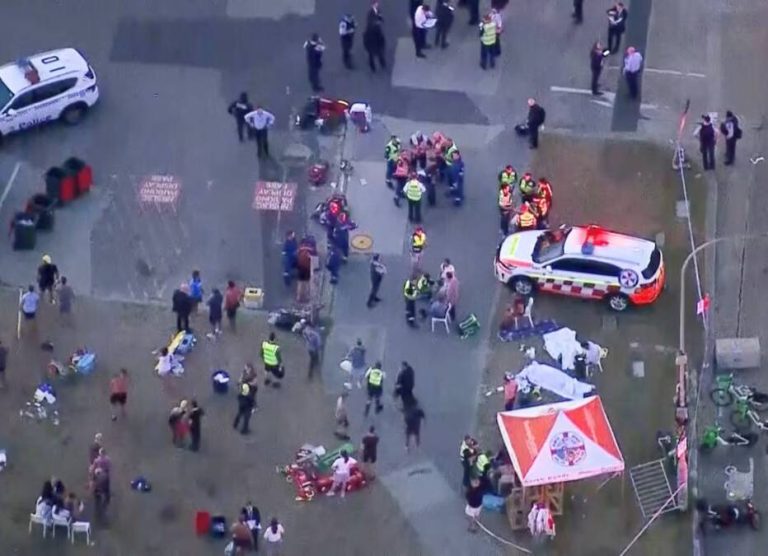
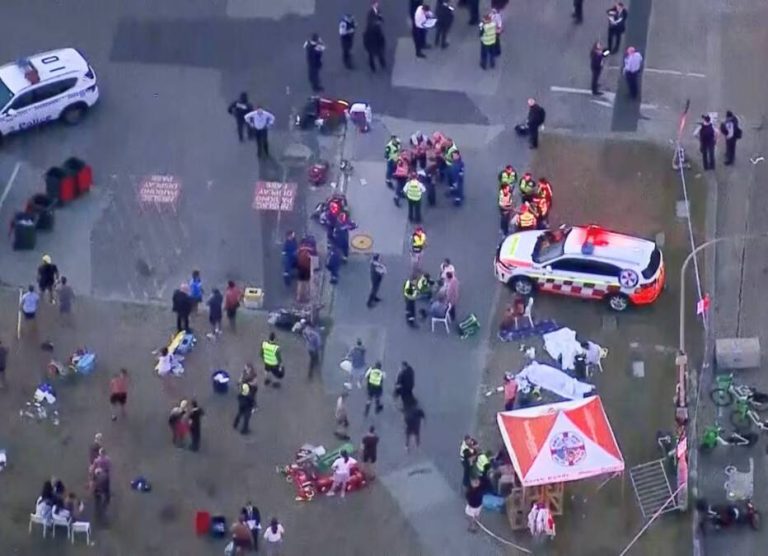
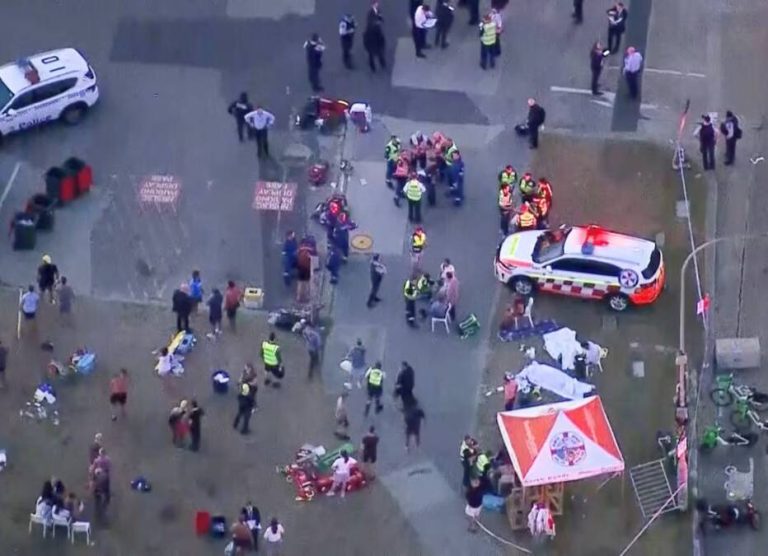
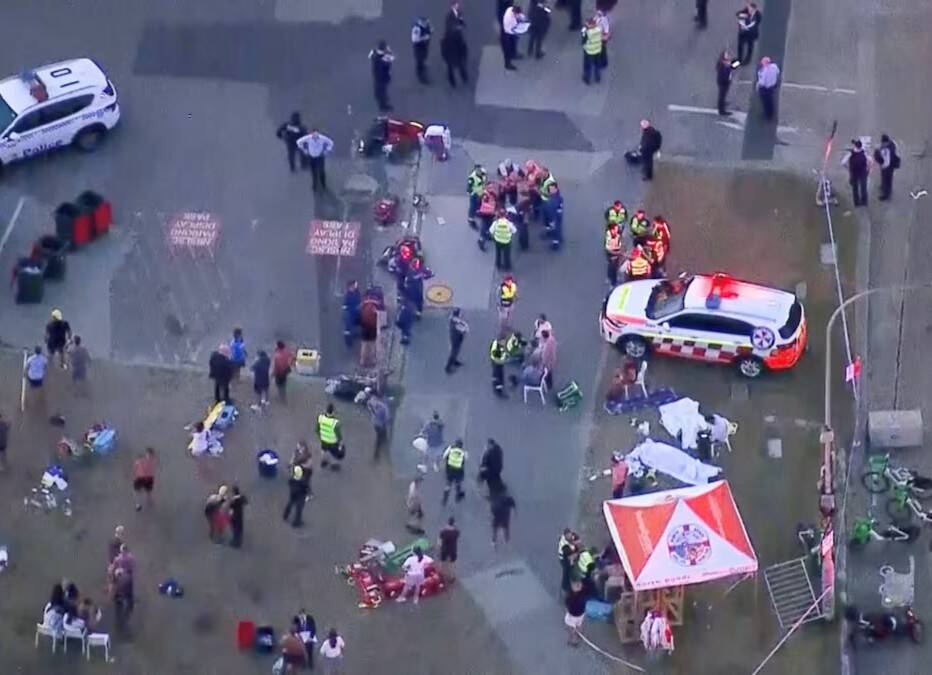
The recent terror attack on Bondi Beach has left the nation in shock and mourning. The attack, which occurred on December 14, resulted in the loss of 15 innocent lives. The two men behind the deadly attack have been identified, and one of them, Sajid Akram, has been found to have a complex and troubled past. According to Australian media, Akram’s estranged wife has refused to claim his body, leaving authorities responsible for his burial.
The news of Akram’s estranged wife refusing to claim his body has raised many questions about the gunman’s personal life and relationships. It has been reported that Akram was homeless for at least six months prior to the attack, which has sparked concerns about the support systems in place for individuals struggling with mental health and social issues. The fact that Akram’s estranged wife wants nothing to do with him, even in death, suggests a deeply troubled and estranged relationship.
The investigation into the attack is still ongoing, and authorities are working to piece together the events leading up to the tragedy. Akram’s son, Naveed, was apprehended on the scene and is currently in hospital under police guard. The circumstances surrounding Naveed’s involvement in the attack are still unclear, and it is not known at this time whether he will face charges.
The Bondi Beach attack has sparked a national conversation about terrorism, mental health, and social support systems. The fact that Akram was able to carry out such a horrific attack has raised questions about the effectiveness of current counter-terrorism measures and the need for increased support for individuals struggling with mental health issues.
The refusal of Akram’s estranged wife to claim his body has also raised questions about the responsibility of families and communities in preventing such attacks. While it is impossible to predict with certainty whether someone will carry out a terrorist attack, it is clear that a supportive community and strong family relationships can play a critical role in preventing such tragedies.
In the aftermath of the attack, the Australian government has announced plans to increase funding for counter-terrorism measures and mental health support services. The government has also pledged to work with community leaders and organizations to develop strategies for preventing radicalization and supporting individuals at risk of extremism.
The Bondi Beach attack has had a profound impact on the community, with many residents and business owners still struggling to come to terms with the tragedy. The fact that Akram was able to carry out such a horrific attack in a popular tourist destination has raised concerns about the safety and security of public spaces.
As the investigation into the attack continues, it is clear that there are many complex and interconnected factors at play. The refusal of Akram’s estranged wife to claim his body is just one aspect of a much larger and more complex story. It is a reminder that terrorism is often the result of a complex interplay of factors, including mental health, social isolation, and radicalization.
In the days and weeks ahead, it is likely that more information will come to light about Akram’s background and the circumstances surrounding the attack. As the community continues to grapple with the aftermath of the tragedy, it is clear that there will be many difficult questions to answer and challenges to overcome.
For now, the fact that Akram’s estranged wife has refused to claim his body serves as a poignant reminder of the devastating consequences of terrorism and the importance of supporting individuals and communities affected by such tragedies.
About the Author