Huang calls Israel ‘Nvidia’s 2nd home’, announces $1.5-bn AI campus
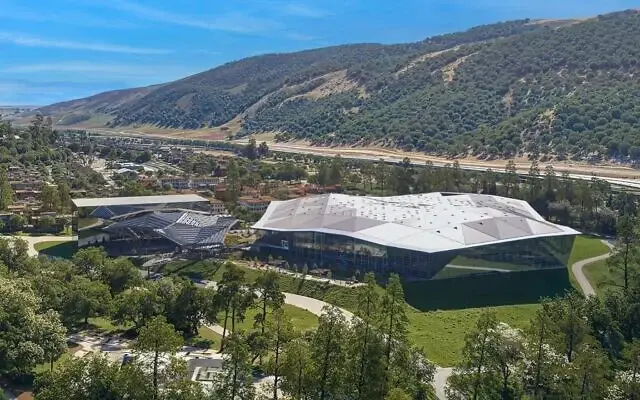
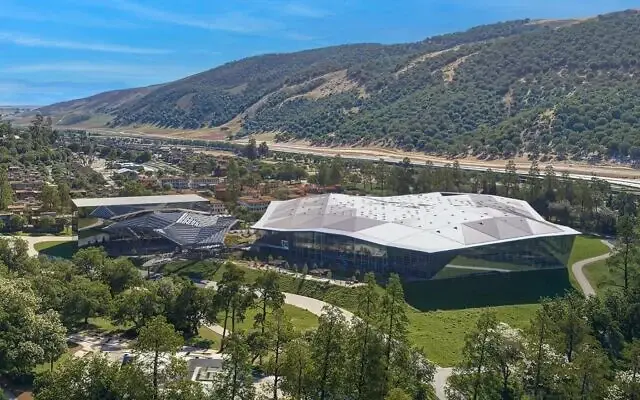
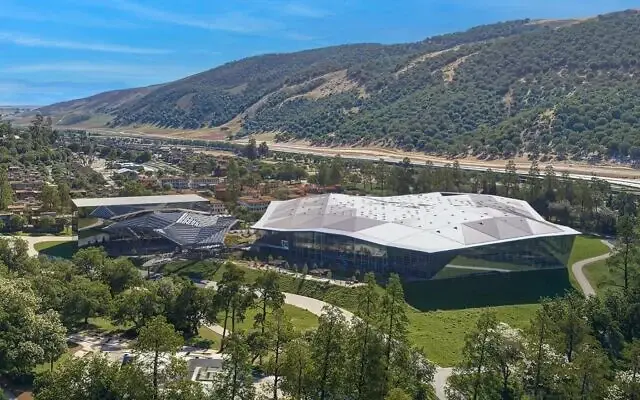
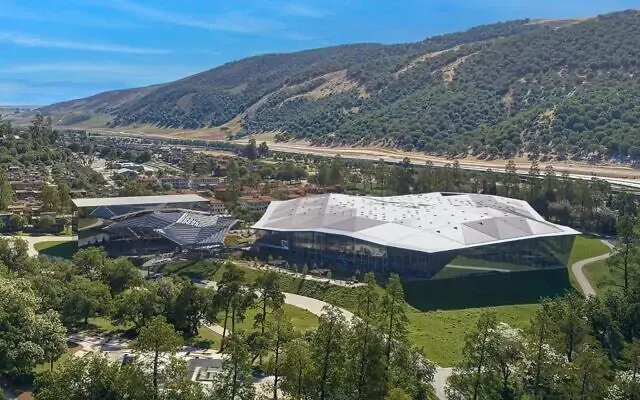
In a significant move that underscores the growing importance of Israel in the global technology landscape, US chipmaker Nvidia has announced plans to build a massive $1.5-billion AI data server farm in the country. According to a report by the Times of Israel, the project is expected to begin by 2027 and be completed by 2031. This investment is a testament to Israel’s reputation as a hub for innovation and technological advancement, and Nvidia’s CEO Jensen Huang has gone so far as to call Israel “Nvidia’s second home”.
The announcement was made by Huang, who expressed his admiration for the country’s talented technologists and its thriving startup ecosystem. “Israel is home to some of the world’s most brilliant technologists and has become Nvidia’s second home,” he said. “This investment reflects our deep commitment to our families in Israel.” The $1.5-billion investment is a significant one, and it highlights the importance of Israel as a key location for Nvidia’s global operations.
The AI data server farm will be a state-of-the-art facility that will enable Nvidia to further develop its artificial intelligence capabilities. The company has been at the forefront of AI research and development, and this new facility will provide it with the infrastructure it needs to continue pushing the boundaries of what is possible with AI. The farm will be used to train and develop AI models, and it will also provide Nvidia with the computing power it needs to support its various AI-related initiatives.
The investment is also a vote of confidence in Israel’s thriving tech industry. The country has long been known for its innovative spirit and its talented pool of engineers and technologists. In recent years, Israel has become a hotbed of startup activity, with many young companies emerging in areas such as AI, cybersecurity, and data analytics. Nvidia’s investment is a recognition of the country’s potential as a hub for technological innovation, and it is likely to have a positive impact on the local economy.
The project is expected to create hundreds of jobs, both during the construction phase and once the facility is operational. This will provide a boost to the local economy, and it will also help to further establish Israel as a major player in the global tech industry. The facility will be a significant addition to Israel’s tech landscape, and it will provide a platform for Nvidia to collaborate with local startups and researchers.
Nvidia’s decision to invest in Israel is also a reflection of the country’s favorable business environment. Israel has a highly developed infrastructure, a skilled workforce, and a supportive government that is committed to promoting innovation and entrepreneurship. The country has a number of programs in place to support startups and foreign investors, and it has a highly developed ecosystem of accelerators, incubators, and research institutions.
The $1.5-billion investment is one of the largest foreign investments in Israel’s tech industry in recent years. It is a testament to the country’s reputation as a hub for innovation and technological advancement, and it highlights the importance of Israel as a key location for global tech companies. Nvidia’s decision to build a major AI data server farm in Israel is a significant vote of confidence in the country’s tech industry, and it is likely to have a positive impact on the local economy.
In conclusion, Nvidia’s announcement is a significant development for Israel’s tech industry. The $1.5-billion investment is a testament to the country’s reputation as a hub for innovation and technological advancement, and it highlights the importance of Israel as a key location for global tech companies. The project is expected to create hundreds of jobs, and it will provide a boost to the local economy. As Jensen Huang said, “Israel is home to some of the world’s most brilliant technologists and has become Nvidia’s second home.” This investment reflects Nvidia’s deep commitment to its operations in Israel, and it is likely to have a lasting impact on the country’s tech industry.
Source:
https://x.com/RT_com/status/2003085479378620888
About the Author