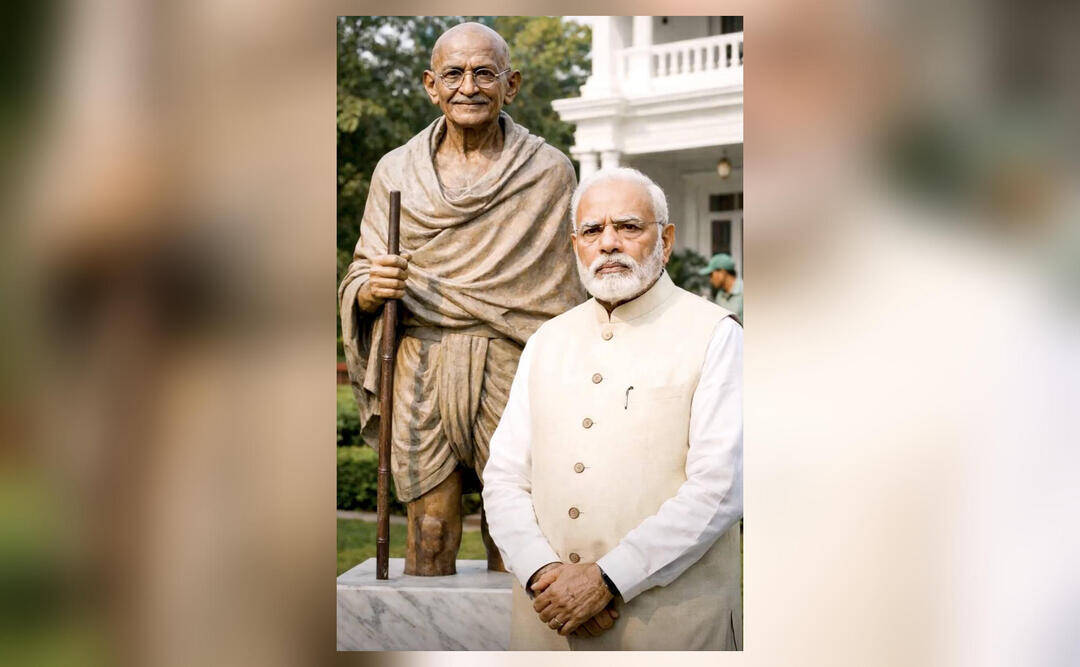
Congress posts AI video of PM talking to Mahatma Gandhi on MGNREGA
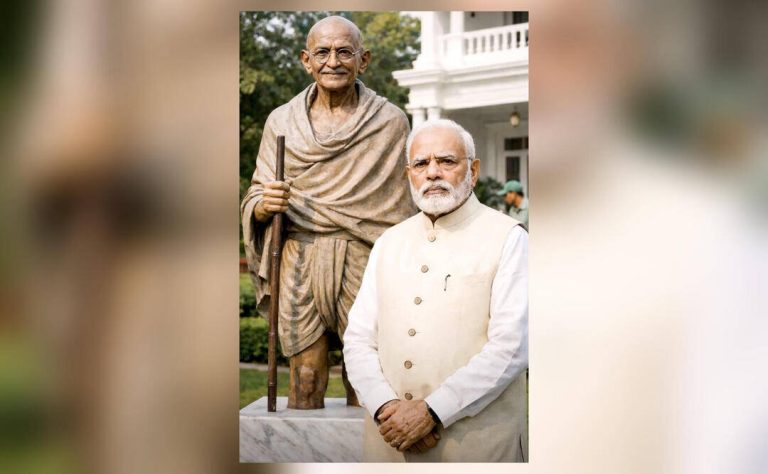
In a surprising move, the Congress party has posted an AI-generated video that has sparked a heated debate on social media. The video, which has been widely shared and viewed, shows Prime Minister Narendra Modi talking to a statue of Mahatma Gandhi about the proposed replacement of the Mahatma Gandhi National Rural Employment Guarantee Act (MGNREGA) with the Vishwa Bharati Garib Ramgarh Awas Yojana (VB-G RAM G Act). The clip has raised several eyebrows, not only due to its content but also due to the use of artificial intelligence to create a conversation between two prominent figures in Indian history.
The video begins with PM Modi standing in front of a statue of Mahatma Gandhi, looking rather serious and concerned. He starts speaking, saying that he doesn’t like the fact that the world recognises India through him and not through the Rashtriya Swayamsevak Sangh (RSS), a right-wing Hindu nationalist organization. This statement is quite surprising, as it is well-known that PM Modi has been a member of the RSS since his early days. The fact that he is expressing dissatisfaction with the world’s perception of India and his own role in it is a significant revelation.
The statue of Mahatma Gandhi, however, responds in a way that is both poignant and powerful. The AI-generated voice of Gandhi says, “RSS can erase Gandhi, but his thoughts will always live.” This statement is a clear reference to the ongoing debate about the legacy of Mahatma Gandhi and the role of the RSS in Indian politics. The fact that the Congress party has used AI technology to create a conversation between PM Modi and Gandhi’s statue has added a new dimension to this debate.
The proposed replacement of MGNREGA with the VB-G RAM G Act has been a contentious issue, with many critics arguing that it will undermine the rights of rural workers and the poor. The MGNREGA, which was launched in 2006, guarantees 100 days of wage employment per year to rural households, providing a vital safety net for millions of people. The new Act, on the other hand, is seen as an attempt to weaken this guarantee and replace it with a more limited and conditional form of support.
The use of AI technology to create this video has also raised several questions about the role of artificial intelligence in politics. While AI can be a powerful tool for creating engaging and persuasive content, it also raises concerns about authenticity and manipulation. Can AI-generated videos be trusted as a reliable source of information, or are they simply a form of propaganda? These are questions that will need to be addressed as AI technology becomes more widespread and sophisticated.
The response to the video has been mixed, with some people praising the creativity and cleverness of the Congress party’s campaign, while others have criticized it for being misleading and manipulative. Some have also pointed out that the video is a form of disrespect to Mahatma Gandhi, who is widely revered as the father of the nation.
In conclusion, the AI-generated video posted by the Congress party has sparked a heated debate about the proposed replacement of MGNREGA and the role of the RSS in Indian politics. While the use of AI technology has added a new dimension to this debate, it also raises concerns about authenticity and manipulation. As the debate continues, it is essential to consider the implications of this technology and its potential impact on our democratic discourse.
Source: https://x.com/INCIndia/status/2003054650417893420
About the Author