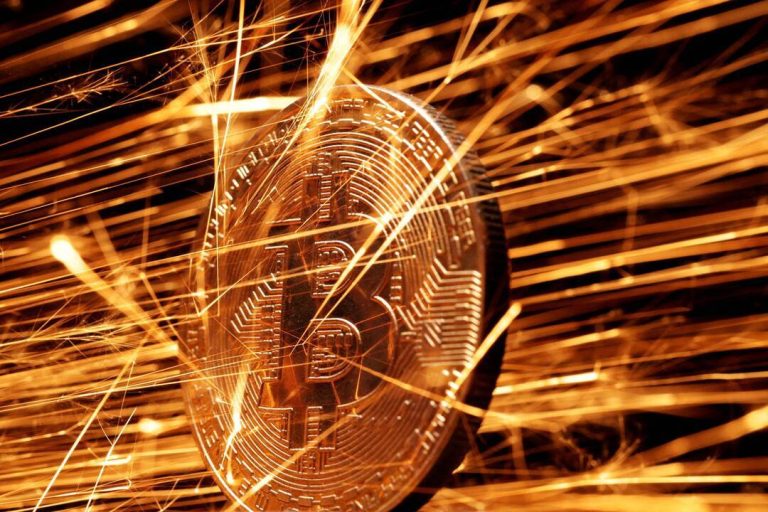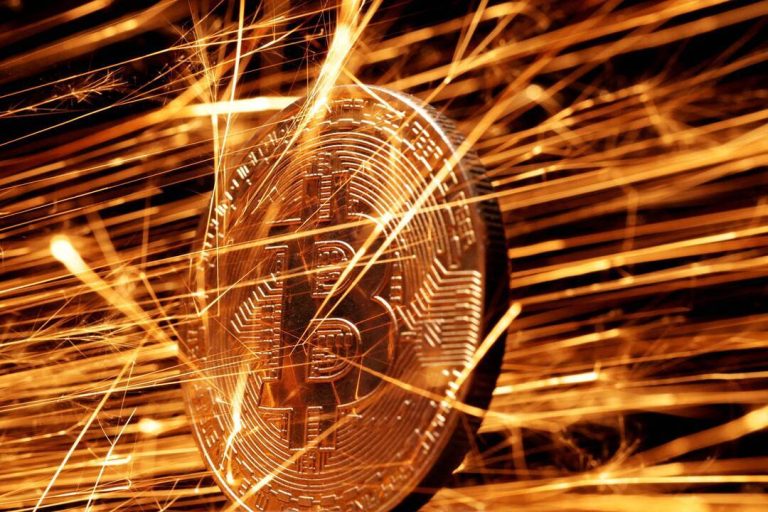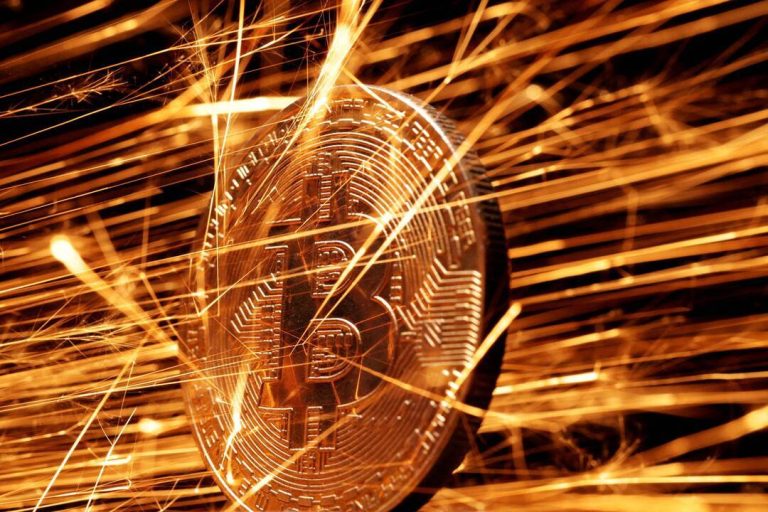
Bitcoin is a form of money, but not as attractive as gold: Dalio
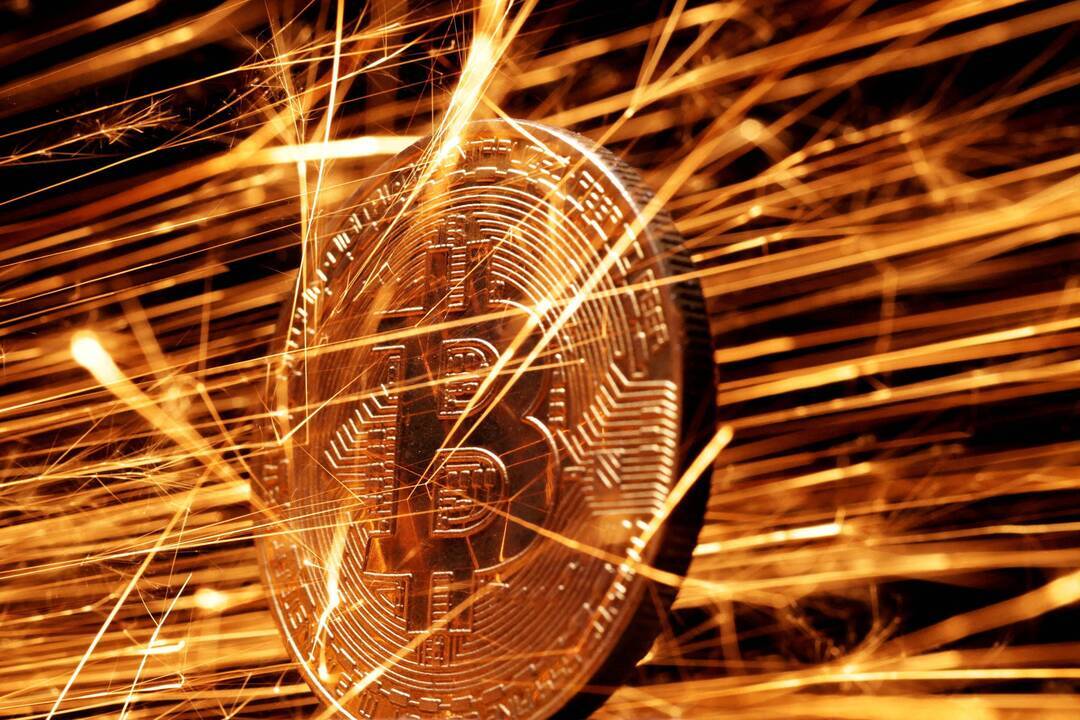
The world of cryptocurrency has been abuzz with the rise of Bitcoin, with many investors and financial experts weighing in on its potential as a viable form of money. One such expert, billionaire hedge fund manager Ray Dalio, has recently shared his thoughts on the matter. According to Dalio, Bitcoin does indeed qualify as a form of money, but it falls short of being as attractive as gold. In this blog post, we’ll delve into Dalio’s reasoning and explore the implications of his statements.
First and foremost, it’s essential to understand why Dalio considers Bitcoin a form of money. In his view, Bitcoin meets the basic criteria of what constitutes money: it can be used as a medium of exchange, a store of value, and a unit of account. Bitcoin’s decentralized nature, limited supply, and ability to facilitate transactions without the need for intermediaries have made it an attractive option for many investors. However, Dalio’s enthusiasm for Bitcoin is tempered by his belief that it is not as attractive as gold.
So, what makes gold more appealing to Dalio? For one, gold has a long history of being a reliable store of value, with its value often increasing during times of economic uncertainty. Additionally, gold is a physical asset that is difficult to replicate or manipulate, making it a more secure option for investors. In contrast, Bitcoin is a digital asset that is vulnerable to hacking and other forms of cyber attacks. Furthermore, governments and regulatory bodies have the ability to monitor and interfere with Bitcoin transactions, which could potentially undermine its value.
Dalio’s concerns about government interference are well-founded. As Bitcoin’s popularity has grown, so too has the attention it has received from regulators. Many governments have implemented laws and regulations aimed at curbing the use of Bitcoin and other cryptocurrencies, citing concerns about money laundering, terrorism financing, and other illicit activities. These efforts have led to increased scrutiny of Bitcoin transactions, making it more difficult for investors to remain anonymous.
Another issue that Dalio sees with Bitcoin is its lack of acceptance by central banks and other institutional investors. Unlike gold, which is widely held by central banks and other investors as a reserve asset, Bitcoin is not yet widely accepted as a viable store of value. This lack of acceptance is due in part to the volatility of Bitcoin’s price, which can fluctuate wildly in response to changes in demand and other market factors. Additionally, the lack of regulatory clarity and the potential for government interference have made many institutional investors wary of investing in Bitcoin.
In addition to these concerns, Dalio also points to the environmental impact of Bitcoin mining as a significant drawback. The process of mining Bitcoin requires massive amounts of energy, which has led to concerns about the carbon footprint of the cryptocurrency. This has led some investors to question the long-term sustainability of Bitcoin and its potential to contribute to climate change.
Despite these concerns, Dalio does acknowledge that Bitcoin has the potential to be a viable form of money. However, he believes that it will need to overcome several hurdles before it can reach its full potential. These hurdles include increasing regulatory clarity, improving security and scalability, and reducing its environmental impact. Until these issues are addressed, Dalio believes that gold will remain a more attractive option for investors looking for a reliable store of value.
In conclusion, while Bitcoin may qualify as a form of money, it still has a long way to go before it can match the appeal of gold. As Dalio’s comments highlight, there are several challenges that Bitcoin must overcome before it can become a widely accepted and reliable store of value. These challenges include government interference, lack of acceptance by institutional investors, environmental concerns, and regulatory uncertainty. Until these issues are addressed, investors would do well to approach Bitcoin with caution and consider the potential risks and rewards before investing.
About the Author