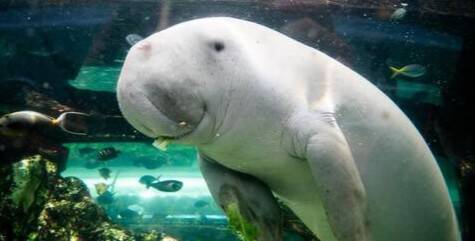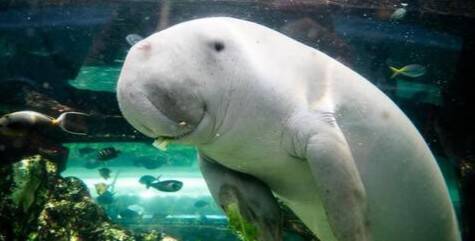
Scientists discover fossils of ancient sea cow species near Qatar
In a groundbreaking discovery, scientists have unearthed fossils of an unknown sea cow species near Qatar’s coastal waters. According to a recent report by Moneycontrol, the ancient animal lived millions of years ago in warm seas, and its body structure bears a striking resemblance to modern sea cows. This remarkable finding not only sheds light on the evolution of sea cows but also provides evidence of the existence of seagrass ecosystems in the Arabian waters for millions of years, supporting large marine herbivores.
The discovery of the ancient sea cow species is a significant one, as it confirms that these majestic creatures once inhabited the waters of the Arabian Peninsula. Sea cows, also known as dugongs or Steller’s sea cows, are large marine mammals that feed on seagrass and other aquatic plants. They are found in shallow, tropical waters around the world, including the Arabian Gulf. However, the newly discovered species is believed to have lived during a time when the climate was much warmer, and the seas were teeming with life.
The fossils of the ancient sea cow species were discovered in the coastal waters of Qatar, which is a peninsula located in the Arabian Gulf. The area is known for its rich marine biodiversity, with numerous species of fish, corals, and other marine animals calling it home. The discovery of the fossils was made possible by a team of scientists who were conducting a survey of the coastal waters of Qatar. The team used advanced techniques, including underwater exploration and sampling, to locate and excavate the fossils.
The fossils themselves are a remarkable find, with the scientists discovering a nearly complete skeleton of the ancient sea cow species. The skeleton is estimated to be millions of years old, and it provides a unique glimpse into the evolution of sea cows. The body structure of the ancient sea cow is similar to that of modern sea cows, with a few key differences. The ancient species had a more robust body, with a longer snout and more pronounced teeth. These differences suggest that the ancient sea cow was adapted to a different environment, with a more abundant food supply and fewer predators.
The discovery of the ancient sea cow species has significant implications for our understanding of the evolution of marine ecosystems. The finding confirms that sea cows lived across the Arabian waters, and that seagrass ecosystems existed for millions of years, supporting large marine herbivores. This is important, as seagrass ecosystems are a critical component of marine biodiversity, providing habitat and food for numerous species of fish, crustaceans, and other marine animals.
The discovery also highlights the importance of preserving and protecting marine ecosystems. Sea cows are an important part of these ecosystems, playing a key role in maintaining the health of seagrass beds and other marine habitats. However, sea cows are facing numerous threats, including habitat loss, pollution, and hunting. The discovery of the ancient sea cow species serves as a reminder of the importance of conserving these majestic creatures and the ecosystems they inhabit.
In addition to its significance for marine conservation, the discovery of the ancient sea cow species is also important for our understanding of the geological history of the Arabian Peninsula. The fossils of the ancient sea cow provide a unique window into the past, allowing scientists to reconstruct the environmental conditions of the region millions of years ago. This information can be used to better understand the geological history of the area, including the formation of the Arabian Gulf and the surrounding landscape.
In conclusion, the discovery of the ancient sea cow species near Qatar’s coastal waters is a significant find, providing insights into the evolution of sea cows and the existence of seagrass ecosystems in the Arabian waters for millions of years. The discovery highlights the importance of preserving and protecting marine ecosystems, and it serves as a reminder of the importance of conservation efforts to protect these majestic creatures and the ecosystems they inhabit.
News source: https://www.moneycontrol.com/science/lost-sea-cow-species-emerges-from-qatar-s-ancient-seas-article-13735607.html/amp
About the Author