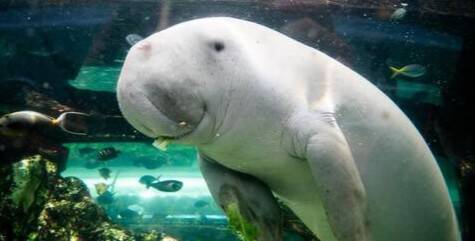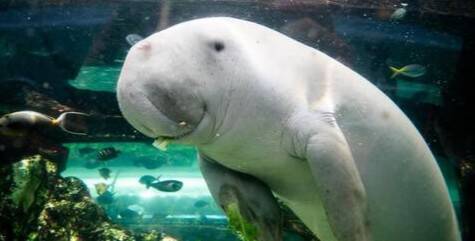
Scientists discover fossils of ancient sea cow species near Qatar
In a groundbreaking discovery, scientists have unearthed fossils of an unknown sea cow species near Qatar’s coastal waters. According to a report by Moneycontrol, the animal is believed to have lived millions of years ago in warm seas, and its body structure bears a striking resemblance to modern sea cows. This remarkable find has significant implications for our understanding of the region’s marine ecosystem and the evolution of sea cows.
The discovery was made by a team of scientists who have been conducting research in the area for several years. The fossils, which are remarkably well-preserved, provide a unique glimpse into the lives of these ancient creatures. The sea cow, also known as a dugong, is a large marine mammal that feeds on seagrass and other aquatic plants. The fact that the fossils were found in Qatar’s coastal waters suggests that the area was once home to a thriving seagrass ecosystem, which supported a diverse array of marine life.
The discovery of the ancient sea cow species is significant not only because of its age but also because of its location. The Arabian waters, which include the coastal waters of Qatar, have long been thought to be an important habitat for marine life. However, the presence of sea cows in the area had not been confirmed until now. The find suggests that sea cows lived across the Arabian waters, and that seagrass ecosystems existed in the region for millions of years, supporting large marine herbivores like the sea cow.
The fossils found near Qatar are believed to be from a previously unknown species of sea cow. The scientists who made the discovery have been studying the fossils in detail, and they have found that the animal’s body structure is similar to that of modern sea cows. This suggests that the evolution of sea cows has been a gradual process, with modern species retaining many of the characteristics of their ancient ancestors.
The discovery of the ancient sea cow species is also significant because it provides insights into the region’s geological history. The fossils were found in a layer of rock that is millions of years old, which suggests that the area has undergone significant changes over time. The presence of seagrass ecosystems in the region during the time of the ancient sea cow suggests that the climate and sea levels were different from what they are today.
The discovery of the ancient sea cow species is a reminder of the importance of preserving our natural heritage. Seagrass ecosystems, like the one that once existed in Qatar’s coastal waters, are vital habitats for a diverse array of marine life. However, these ecosystems are under threat from human activities like coastal development, pollution, and climate change. The loss of seagrass ecosystems could have significant consequences for the health of our oceans and the creatures that depend on them.
In addition to its scientific significance, the discovery of the ancient sea cow species is also a reminder of the importance of continued exploration and research. There is still much to be learned about the natural world, and discoveries like this one highlight the need for ongoing investment in scientific research and exploration.
In conclusion, the discovery of fossils of an ancient sea cow species near Qatar’s coastal waters is a significant find that sheds new light on the region’s marine ecosystem and the evolution of sea cows. The fact that the fossils were found in an area that was once home to a thriving seagrass ecosystem highlights the importance of preserving these vital habitats. As we continue to learn more about the natural world, we are reminded of the need to protect and preserve our planet’s precious resources for future generations.
News Source: https://www.moneycontrol.com/science/lost-sea-cow-species-emerges-from-qatar-s-ancient-seas-article-13735607.html/amp
About the Author