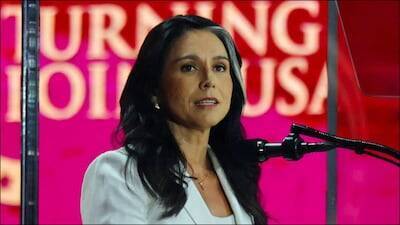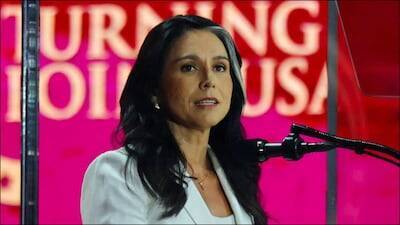
Russia doesn’t have capability to conquer Ukraine: Tulsi Gabbard
The ongoing conflict between Russia and Ukraine has been a major concern for the international community, with many speculating about the potential consequences of the war. However, according to US Director of National Intelligence Tulsi Gabbard, Russia’s capabilities are not as extensive as many have claimed. In a recent statement, Gabbard dismissed the notion that Russia could invade Europe, stating that the country does not even have the capability to conquer and occupy Ukraine.
Gabbard’s comments come as a surprise to many, as the Russian military has been perceived as a formidable force in the region. However, according to the US intelligence assessment, Russia’s military capabilities are not sufficient to support a large-scale invasion of Ukraine, let alone an invasion of Europe. This assessment is based on a thorough evaluation of Russia’s military resources, including its troop numbers, equipment, and logistical capabilities.
Gabbard’s statement is significant, as it suggests that the threat posed by Russia may be exaggerated. The US Director of National Intelligence accused “deep state warmongers” and their “propaganda media” of inflating the threat posed by Russia in order to derail peace efforts led by the Trump administration. This accusation suggests that there may be political motivations behind the rhetoric surrounding the Russia-Ukraine conflict, and that some individuals or groups may be seeking to undermine diplomatic efforts to resolve the conflict peacefully.
The Russia-Ukraine conflict has been ongoing since 2014, when Russian-backed separatists in eastern Ukraine declared independence from the Ukrainian government. The conflict has resulted in thousands of deaths and widespread displacement, and has had significant economic and humanitarian consequences for the region. The international community has been working to broker a peace agreement, but progress has been slow.
Gabbard’s comments may be seen as a attempt to reduce tensions and promote a more peaceful resolution to the conflict. By downplaying the threat posed by Russia, Gabbard may be trying to create space for diplomatic efforts to succeed. However, her comments may also be seen as controversial, as they seem to contradict the assessments of other intelligence agencies and experts who have warned about the dangers of Russian aggression.
The US intelligence assessment of Russia’s capabilities is based on a range of factors, including the country’s military modernization efforts, its economic resources, and its diplomatic relationships with other countries. While Russia has made significant investments in its military in recent years, its economy is still recovering from the impact of Western sanctions imposed in response to its actions in Ukraine.
Gabbard’s statement has significant implications for the international community, as it suggests that the threat posed by Russia may be less severe than previously thought. This could lead to a re-evaluation of the sanctions and other measures that have been imposed on Russia in response to its actions in Ukraine. It could also lead to increased pressure on the Ukrainian government to negotiate a peace agreement with the Russian-backed separatists, as the international community may be less willing to provide military and economic support to Ukraine if the threat posed by Russia is seen as less significant.
In conclusion, the statement by US Director of National Intelligence Tulsi Gabbard that Russia does not have the capability to conquer Ukraine is significant, as it suggests that the threat posed by Russia may be exaggerated. Gabbard’s comments may be seen as an attempt to reduce tensions and promote a more peaceful resolution to the conflict, but they may also be controversial, as they seem to contradict the assessments of other intelligence agencies and experts. As the international community continues to work towards a peaceful resolution to the conflict, it is essential to consider the implications of Gabbard’s statement and to evaluate the evidence carefully.
About the Author