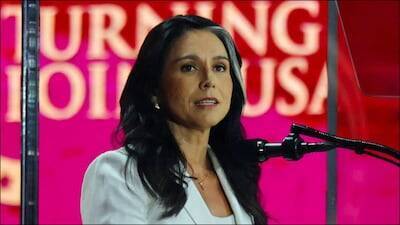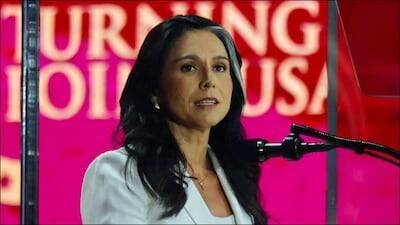
Russia doesn’t have capability to conquer Ukraine: Tulsi Gabbard
The ongoing conflict between Russia and Ukraine has been a major concern for the international community, with many speculating about the potential consequences of the war. Recently, US Director of National Intelligence Tulsi Gabbard made a statement that has sparked a lot of debate and discussion. According to Gabbard, Russia does not have the capability to conquer Ukraine, let alone invade and occupy Europe. This statement has been seen as a significant departure from the usual rhetoric surrounding the conflict, and it has raised questions about the true nature of the threat posed by Russia.
Gabbard’s statement was made in response to claims that Russia could potentially invade Europe. She dismissed these claims, stating that “Truth is that US intelligence assesses that Russia doesn’t even have…capability to conquer and occupy Ukraine, let alone invade and occupy Europe.” This assessment is based on the latest intelligence available to the US, and it suggests that Russia’s military capabilities are not as strong as they are often made out to be.
The implications of Gabbard’s statement are significant. If Russia does not have the capability to conquer Ukraine, then the threat posed by Russia to Europe is not as great as many have suggested. This could have major implications for European security policy, as well as for the ongoing conflict in Ukraine. It could also have implications for the US-led peace efforts, which have been ongoing for several months.
Gabbard also accused “deep state warmongers” and their “propaganda media” of exaggerating the threats posed by Russia. She suggested that these groups are trying to derail the Trump-led peace efforts, which are aimed at finding a peaceful resolution to the conflict. This accusation is not without precedent, as there have been many instances in the past where the media has been accused of sensationalizing or exaggerating the threats posed by certain countries or groups.
The role of the media in shaping public opinion and influencing policy is a complex one. On the one hand, the media has a responsibility to inform the public about important issues and to hold those in power accountable. On the other hand, the media can also be used as a tool for propaganda and manipulation. In the case of the Russia-Ukraine conflict, the media has often been accused of sensationalizing the threats posed by Russia, and of exaggerating the capabilities of the Russian military.
Gabbard’s statement has been seen as a attempt to set the record straight and to provide a more nuanced understanding of the conflict. By downplaying the threats posed by Russia, Gabbard is hoping to create space for a more peaceful resolution to the conflict. This approach is consistent with the Trump-led peace efforts, which have been focused on finding a diplomatic solution to the conflict.
The reaction to Gabbard’s statement has been mixed. Some have praised her for her honesty and for her willingness to challenge the conventional wisdom on the conflict. Others have criticized her for downplaying the threats posed by Russia, and for undermining the US’s credibility on the world stage.
Ultimately, the truth about the Russia-Ukraine conflict is complex and multifaceted. While Gabbard’s statement provides some valuable insights into the capabilities of the Russian military, it is also important to consider the broader context of the conflict. The conflict is not just about military capabilities, but also about politics, economics, and culture. It is a conflict that has been ongoing for many years, and it will likely take many years to resolve.
As the international community continues to grapple with the implications of the Russia-Ukraine conflict, it is important to consider the statements made by Gabbard and other leaders. By providing a more nuanced understanding of the conflict, we can work towards a more peaceful and lasting resolution.
In conclusion, Tulsi Gabbard’s statement that Russia does not have the capability to conquer Ukraine is a significant one. It challenges the conventional wisdom on the conflict and provides a more nuanced understanding of the capabilities of the Russian military. While the reaction to her statement has been mixed, it is an important contribution to the ongoing debate about the conflict. As we move forward, it is essential to consider the implications of Gabbard’s statement and to work towards a more peaceful and lasting resolution to the conflict.
About the Author