Bitcoin is a form of money, but not as attractive as gold: Dalio
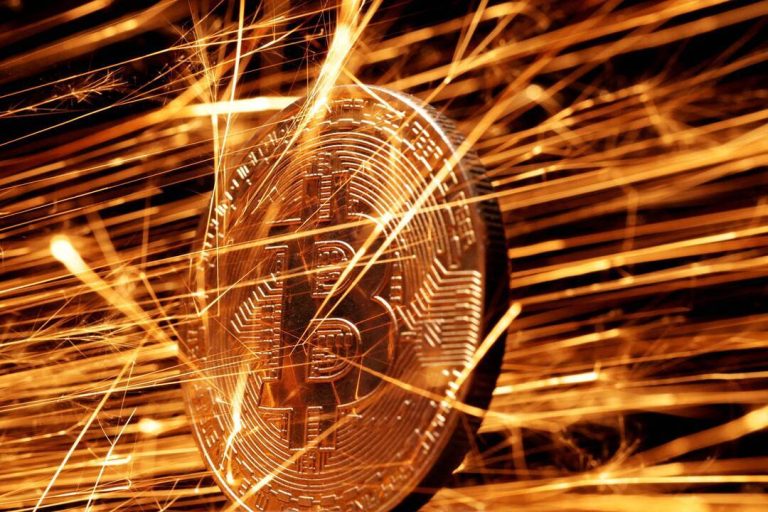
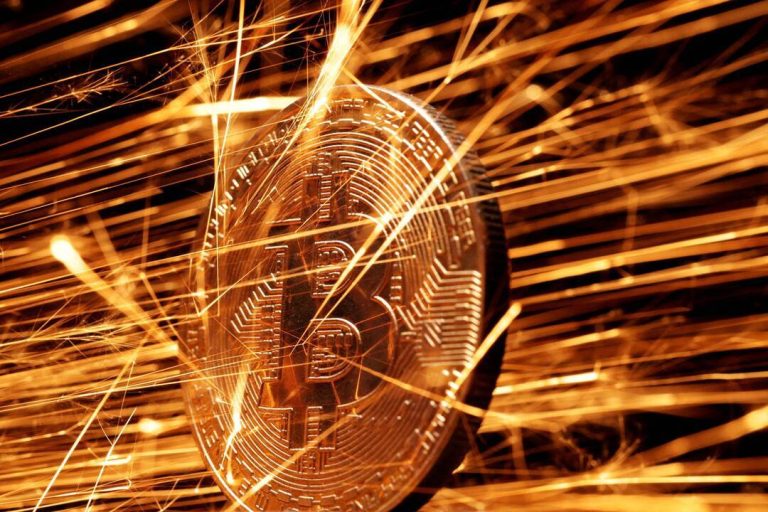
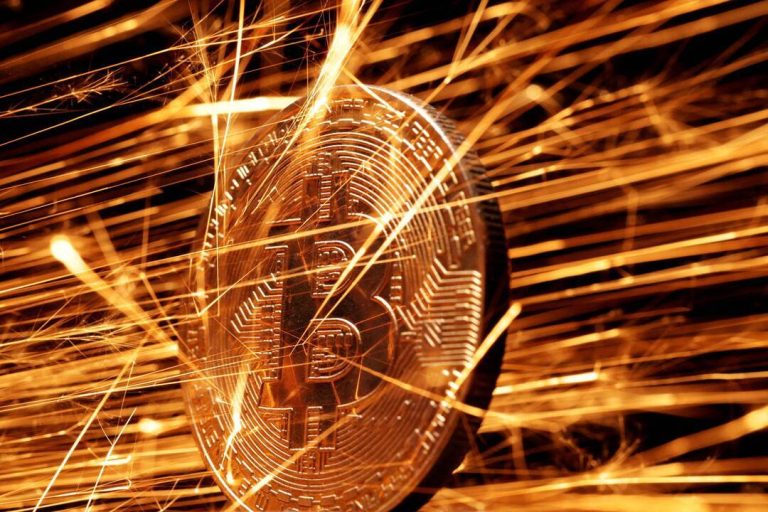
The world of cryptocurrency has been abuzz with the recent comments made by billionaire hedge fund manager Ray Dalio. In a statement that has sent ripples through the financial community, Dalio expressed his views on Bitcoin, stating that while it qualifies as a form of money, it still can’t match the allure of gold. This assertion has sparked a debate among investors, economists, and cryptocurrency enthusiasts, with many weighing in on the merits of Dalio’s argument.
According to Dalio, Bitcoin’s status as a form of money is undeniable. It has gained widespread acceptance as a medium of exchange, and its value has been steadily increasing over the years. However, Dalio’s enthusiasm for Bitcoin is tempered by his belief that it lacks the intrinsic value and allure of gold. The precious metal, he argues, has been a store of value for centuries, and its value is not easily susceptible to government interference or manipulation.
One of the primary reasons Dalio cites for his preference for gold over Bitcoin is the level of government oversight and control. Unlike gold, which is a physical commodity that can be stored and transferred without the need for intermediaries, Bitcoin transactions can be monitored and regulated by governments. This, Dalio believes, makes it less attractive as a store of value, as governments can potentially interfere with transactions or even ban the use of the cryptocurrency altogether.
Another issue that Dalio raises is the lack of institutional investment in Bitcoin. Despite its growing popularity, Bitcoin has yet to gain widespread acceptance among central banks and other institutional investors. This, Dalio argues, is due to a number of factors, including the lack of regulatory clarity, the risk of price volatility, and the potential for government interference. As a result, it is unlikely that central banks and other institutional investors will hold significant amounts of Bitcoin in the near future.
In contrast, gold has long been a staple of central bank reserves, and its value is widely recognized and accepted. The precious metal has a number of attributes that make it an attractive store of value, including its rarity, durability, and portability. Gold is also widely traded and accepted, making it a highly liquid asset that can be easily bought and sold.
Dalio’s comments on Bitcoin and gold are significant, as they reflect the views of a prominent and influential investor. As the founder of Bridgewater Associates, one of the world’s largest hedge funds, Dalio’s opinions carry considerable weight in the financial community. His comments are likely to be closely watched by investors, policymakers, and other stakeholders, and may have a significant impact on the development of the cryptocurrency market.
It is worth noting, however, that not everyone shares Dalio’s views on Bitcoin and gold. Many cryptocurrency enthusiasts and investors believe that Bitcoin has the potential to surpass gold as a store of value, due to its decentralized nature, limited supply, and growing adoption. They argue that Bitcoin’s value is not dependent on government oversight or regulation, and that its decentralized architecture makes it more resilient to interference or manipulation.
In conclusion, Ray Dalio’s comments on Bitcoin and gold have sparked an important debate about the role of cryptocurrency in the financial system. While Dalio believes that Bitcoin qualifies as a form of money, he argues that it lacks the allure and intrinsic value of gold. His concerns about government oversight and control, as well as the lack of institutional investment, are significant and warrant careful consideration. As the cryptocurrency market continues to evolve, it will be interesting to see how Dalio’s views are received by investors, policymakers, and other stakeholders.
About the Author