Bitcoin is a form of money, but not as attractive as gold: Dalio
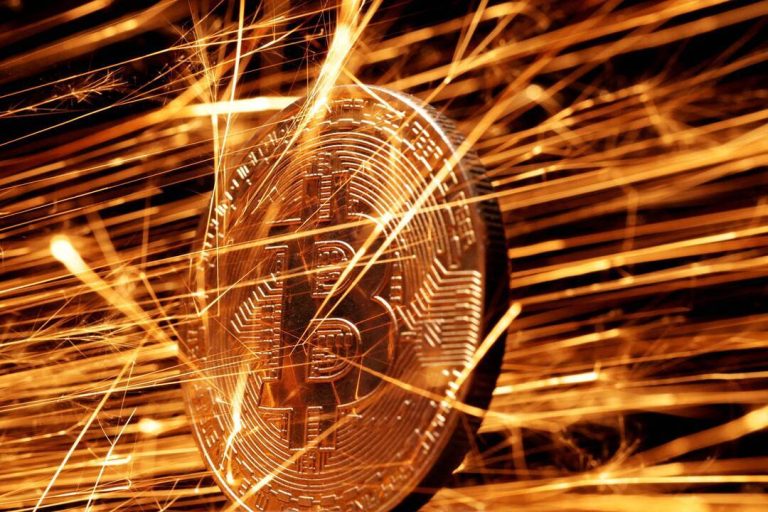
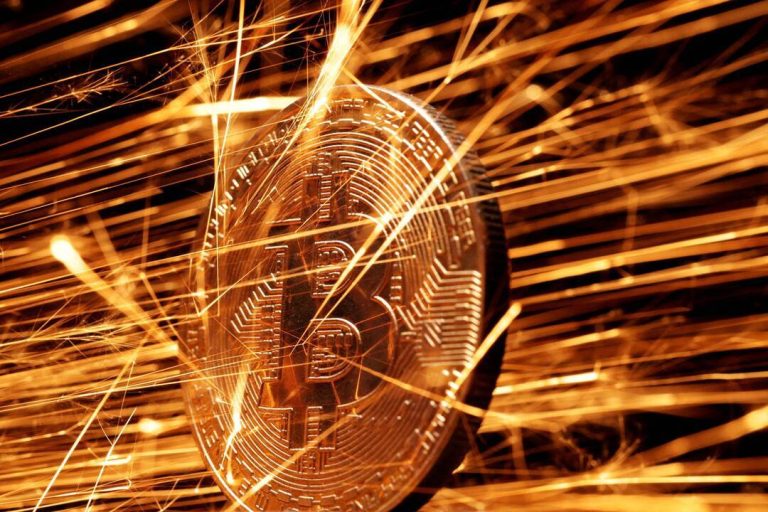
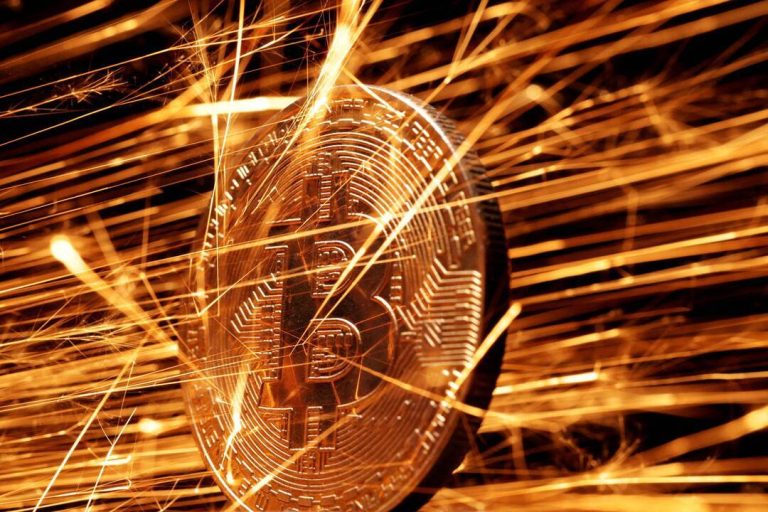
The world of cryptocurrency has been abuzz with the rise of Bitcoin, with many investors and financial experts weighing in on its potential as a form of money. Recently, billionaire hedge fund manager Ray Dalio shared his thoughts on the matter, stating that while Bitcoin does qualify as a form of money, it still can’t match the allure of gold. In this blog post, we’ll delve into Dalio’s comments and explore the implications of his statements.
According to Dalio, Bitcoin meets the basic criteria of money, which includes being a medium of exchange, a unit of account, and a store of value. However, he noted that the cryptocurrency has several drawbacks that make it less attractive than gold. One of the primary concerns Dalio raised is the ability of governments to monitor and interfere with Bitcoin transactions. Unlike gold, which is a physical commodity that can be stored and transferred without the need for intermediaries, Bitcoin transactions are recorded on a public ledger called the blockchain. This transparency, while a key feature of the cryptocurrency, also makes it vulnerable to government oversight and control.
Dalio’s comments highlight the ongoing debate about the role of Bitcoin in the financial system. While some proponents of the cryptocurrency argue that it has the potential to become a widely accepted form of money, others, like Dalio, are more skeptical. One of the main concerns is that Bitcoin’s lack of anonymity and susceptibility to government interference make it less appealing to investors who value privacy and security. In contrast, gold has long been seen as a safe-haven asset, with its value often increasing during times of economic uncertainty.
Another issue Dalio raised is the likelihood of central banks and other institutions holding Bitcoin in significant numbers. He stated that due to multiple problems, it’s unlikely that these entities will adopt the cryptocurrency as a major store of value. This is a significant concern, as the adoption of Bitcoin by institutional investors is seen as a key factor in its potential for long-term growth. Without the support of central banks and other major players, it’s unclear whether Bitcoin can achieve the level of mainstream acceptance that its proponents envision.
In addition to these concerns, Dalio also noted that Bitcoin’s volatility is a major drawback. The cryptocurrency’s value has been known to fluctuate wildly, making it a risky investment for those who are not comfortable with the possibility of significant losses. In contrast, gold has historically been seen as a stable store of value, with its price tend to be less volatile than that of Bitcoin.
Despite these concerns, Dalio’s comments should not be seen as a complete dismissal of Bitcoin’s potential. Rather, they highlight the need for the cryptocurrency to address its shortcomings and become more attractive to investors. One potential solution is the development of more advanced technologies that can improve the security and anonymity of Bitcoin transactions. Additionally, greater adoption by institutional investors and regulatory clarity could help to increase confidence in the cryptocurrency and drive its growth.
In conclusion, while Bitcoin may qualify as a form of money, it still has a long way to go before it can match the allure of gold. As Dalio noted, the cryptocurrency’s lack of anonymity, susceptibility to government interference, and volatility make it a less attractive option for investors. However, with ongoing development and adoption, it’s possible that Bitcoin can address these concerns and become a more viable alternative to traditional forms of money.
For now, investors and financial experts will continue to watch the development of Bitcoin and other cryptocurrencies with great interest. As the financial landscape continues to evolve, it’s likely that we’ll see new innovations and advancements that can help to increase the adoption and mainstream acceptance of these alternative forms of money.
About the Author