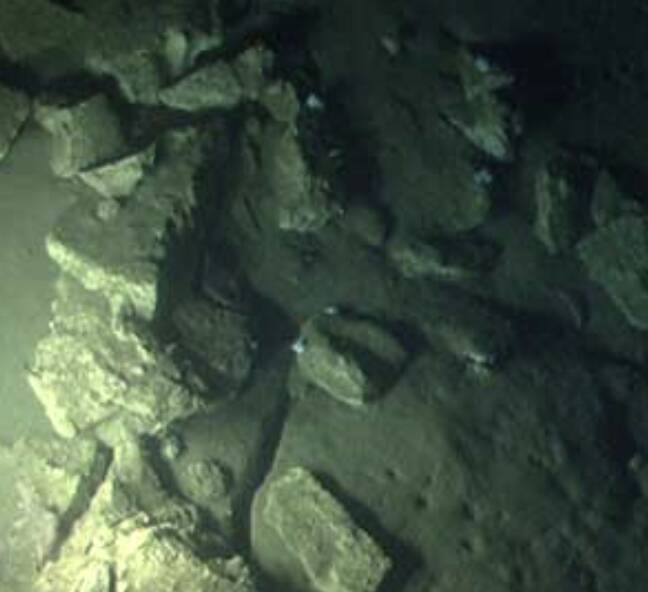
Asia’s largest undersea gold deposit discovered
In a groundbreaking discovery, China has made a significant breakthrough in the field of underwater mining, uncovering the largest undersea gold deposit in Asia. Located off the coast of Laizhou, in Yantai, Shandong province, this massive deposit is set to elevate China’s position as a global leader in gold production. The discovery has sent shockwaves of excitement throughout the industry, and its implications are far-reaching.
According to reports, the undersea gold deposit is estimated to be worth billions, with total proven gold reserves now exceeding 3,900 tonnes. This staggering figure has catapulted Laizhou to the forefront of China’s gold mining industry, cementing its reputation as a major player in the global gold market. The discovery is a testament to China’s relentless pursuit of innovation and its commitment to exploring new frontiers in the mining sector.
China has long been the world’s largest producer of gold ore, with output reaching an impressive 377 tonnes. The country’s gold mining industry has experienced rapid growth over the years, driven by advancements in technology and a surge in demand for the precious metal. The discovery of this undersea gold deposit is expected to further boost China’s gold production, solidifying its position as a dominant force in the global gold market.
The undersea gold deposit is located in the coastal waters of Laizhou, a region known for its rich mineral resources. The discovery was made possible through a combination of advanced technology and meticulous research, highlighting the importance of investment in exploration and development. The Chinese government has been actively promoting the development of its gold mining industry, providing support for research and exploration initiatives that have led to this remarkable breakthrough.
The implications of this discovery are significant, with far-reaching consequences for the global gold market. The increased supply of gold is expected to have a stabilizing effect on prices, providing a boost to the industry as a whole. Furthermore, the discovery of this undersea gold deposit is likely to attract significant investment, creating new opportunities for growth and development in the region.
The discovery of Asia’s largest undersea gold deposit is also a testament to China’s growing expertise in underwater mining. The country has been actively developing its capabilities in this area, with a focus on exploring and exploiting marine mineral resources. The success of this project demonstrates China’s ability to overcome the technical challenges associated with underwater mining, paving the way for future discoveries and developments.
As news of the discovery spreads, the global mining community is abuzz with excitement. The potential for underwater mining is vast, with many countries now exploring the possibilities of extracting minerals from the ocean floor. China’s breakthrough is likely to inspire other nations to follow suit, driving innovation and investment in the sector.
In conclusion, the discovery of Asia’s largest undersea gold deposit is a significant milestone for China’s gold mining industry. The implications of this breakthrough are far-reaching, with the potential to boost the global gold market and drive growth and development in the region. As the world’s largest producer of gold ore, China is well-positioned to capitalize on this discovery, cementing its reputation as a leader in the mining sector.
The future of underwater mining looks bright, with China at the forefront of this exciting new frontier. As the industry continues to evolve and grow, it will be interesting to see how this discovery shapes the global gold market and inspires new developments in the years to come.
About the Author