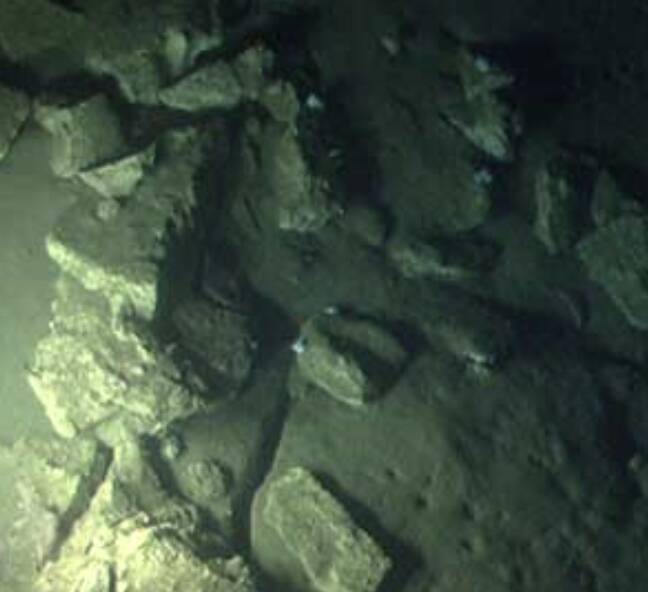
Asia’s Largest Undersea Gold Deposit Discovered
In a groundbreaking discovery, China has unearthed its first undersea gold deposit, which is also the largest in Asia, off the coast of Laizhou, in Yantai, Shandong province. This monumental find has sent shockwaves throughout the mining industry, and its implications are far-reaching. The discovery has lifted Laizhou’s total proven gold reserves to a staggering 3,900 tonnes, solidifying China’s position as a gold mining powerhouse.
The undersea gold deposit, located off the coast of Laizhou, is a significant find, not only for China but for the entire region. The discovery is a testament to China’s commitment to exploring and harnessing its vast natural resources. With this find, China has further cemented its position as the world’s largest producer of gold ore, with output reaching an impressive 377 tonnes.
The discovery of the undersea gold deposit is a result of China’s relentless pursuit of exploring its vast territorial waters. The country has been actively engaged in maritime exploration, and this find is a culmination of years of research and development. The Chinese government has been investing heavily in marine exploration technology, which has enabled the country to tap into its vast undersea resources.
The undersea gold deposit is located at a depth of approximately 2,000 meters, making it a challenging and complex operation to extract the gold. However, Chinese mining companies are confident that they can overcome the technical hurdles and extract the gold efficiently. The discovery has sparked a flurry of activity, with mining companies and investors clamoring to get a piece of the action.
The implications of this discovery are significant, not only for China but for the global gold market. The discovery of such a large undersea gold deposit is expected to have a positive impact on the global gold market, as it is likely to increase the global gold supply. This, in turn, could lead to a decrease in gold prices, making it more accessible to consumers.
The discovery of the undersea gold deposit is also expected to have a positive impact on the local economy. The extraction of gold from the undersea deposit is expected to create new job opportunities, stimulate economic growth, and increase government revenue. The local government has already announced plans to invest in infrastructure development, including the construction of new ports and transportation facilities, to support the extraction of gold from the undersea deposit.
China’s discovery of the undersea gold deposit is a significant milestone in the country’s mining history. The discovery is a testament to China’s commitment to exploring and harnessing its vast natural resources. With this find, China has further solidified its position as a major player in the global gold market.
The discovery of the undersea gold deposit has also sparked interest in other countries, with many looking to China as a model for undersea exploration. The discovery has highlighted the potential for undersea exploration and the importance of investing in marine exploration technology.
In conclusion, the discovery of Asia’s largest undersea gold deposit off the coast of Laizhou, in Yantai, Shandong province, is a significant find that is expected to have far-reaching implications for the global gold market. The discovery has lifted Laizhou’s total proven gold reserves to over 3,900 tonnes, solidifying China’s position as the world’s largest producer of gold ore. With this find, China has further cemented its position as a major player in the global gold market, and the country is expected to continue to play a significant role in shaping the global gold industry.
About the Author