Scientists discover fossils of ancient sea cow species near Qatar
In a groundbreaking discovery, scientists have unearthed fossils of an unknown sea cow species near Qatar’s coastal waters. According to a recent report by Moneycontrol, the ancient animal lived millions of years ago in warm seas, and its body structure bears a striking resemblance to modern sea cows. This remarkable find not only sheds light on the evolutionary history of sea cows but also provides evidence of the existence of seagrass ecosystems in the Arabian waters for millions of years, supporting large marine herbivores.
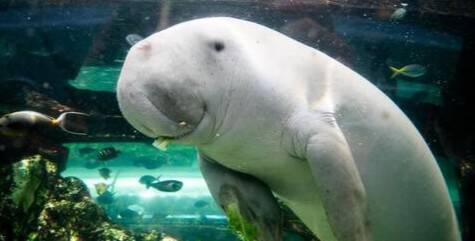
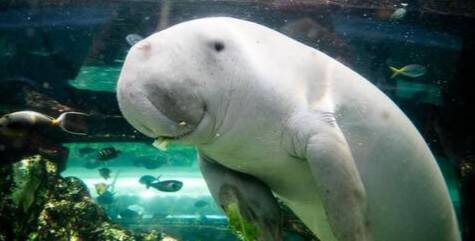
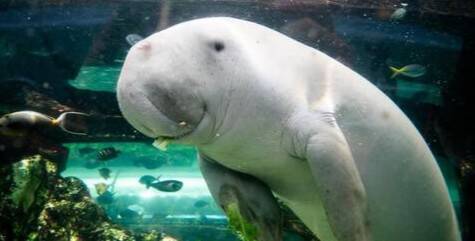
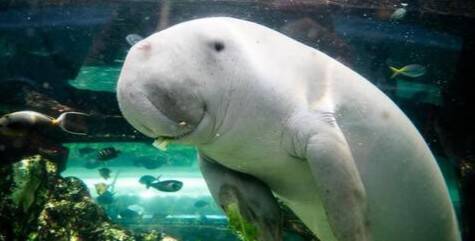
The discovery of the ancient sea cow species is a significant one, as it confirms that these marine mammals were once widespread across the Arabian waters. Sea cows, also known as dugongs or Steller’s sea cows, are large marine herbivores that feed on seagrass and other aquatic plants. They are found in shallow, tropical waters around the world and are known for their distinctive body shape, which is characterized by a bulky torso, a flat tail, and a pair of flippers.
The fossilized remains of the ancient sea cow species were discovered in the coastal waters of Qatar, a country located on the northeastern coast of the Arabian Peninsula. The fossils were found in sedimentary rocks that date back to the Paleogene period, a time when the Arabian Peninsula was still partially submerged in water. The discovery of these fossils provides evidence of the existence of a diverse range of marine life in the Arabian waters during this period, including large herbivores like sea cows.
The body structure of the ancient sea cow species is remarkably similar to that of modern sea cows. The fossils found in Qatar show that the animal had a similar torso shape, tail, and flipper arrangement to modern sea cows. This suggests that the basic body plan of sea cows has remained relatively unchanged over millions of years, despite the many changes that have occurred in the marine environment during this time.
The discovery of the ancient sea cow species also provides evidence of the existence of seagrass ecosystems in the Arabian waters for millions of years. Seagrass is a type of underwater grass that grows in shallow, tropical waters and provides a vital source of food and shelter for many marine animals, including sea cows. The presence of seagrass ecosystems in the Arabian waters during the Paleogene period would have supported a diverse range of marine life, including large herbivores like sea cows.
The discovery of the ancient sea cow species is a significant one, as it highlights the importance of preserving marine ecosystems and the many species that depend on them. Sea cows are currently listed as vulnerable to extinction, due to habitat loss, pollution, and hunting. The discovery of the ancient sea cow species serves as a reminder of the importance of protecting these animals and their habitats, not just for their own sake, but also for the many other species that depend on them.
In conclusion, the discovery of the ancient sea cow species near Qatar’s coastal waters is a significant one, providing evidence of the existence of sea cows in the Arabian waters millions of years ago. The discovery also highlights the importance of preserving marine ecosystems and the many species that depend on them. As we continue to learn more about the natural world and the many species that inhabit it, we are reminded of the importance of protecting and preserving these ecosystems for future generations.
The discovery of the ancient sea cow species is a testament to the power of scientific discovery and the many advances that have been made in our understanding of the natural world. As we continue to explore and learn more about the world around us, we are constantly reminded of the beauty and complexity of the natural world and the many wonders that it holds.
The discovery of the ancient sea cow species is also a reminder of the importance of continued scientific research and exploration. By continuing to explore and learn more about the natural world, we can gain a deeper understanding of the many species that inhabit it and the ecosystems that support them. This knowledge can be used to inform conservation efforts and to develop effective strategies for protecting and preserving these ecosystems.
In addition to the discovery of the ancient sea cow species, the study of fossilized remains can also provide valuable insights into the evolutionary history of many species. By studying the fossil record, scientists can learn more about the origins of different species and how they have changed over time. This knowledge can be used to inform our understanding of the natural world and to develop effective strategies for conserving and protecting many species.
The discovery of the ancient sea cow species is a significant one, and it highlights the importance of continued scientific research and exploration. By continuing to explore and learn more about the natural world, we can gain a deeper understanding of the many species that inhabit it and the ecosystems that support them. This knowledge can be used to inform conservation efforts and to develop effective strategies for protecting and preserving these ecosystems.
News Source: https://www.moneycontrol.com/science/lost-sea-cow-species-emerges-from-qatar-s-ancient-seas-article-13735607.html/amp
About the Author