Asia’s largest undersea gold deposit discovered
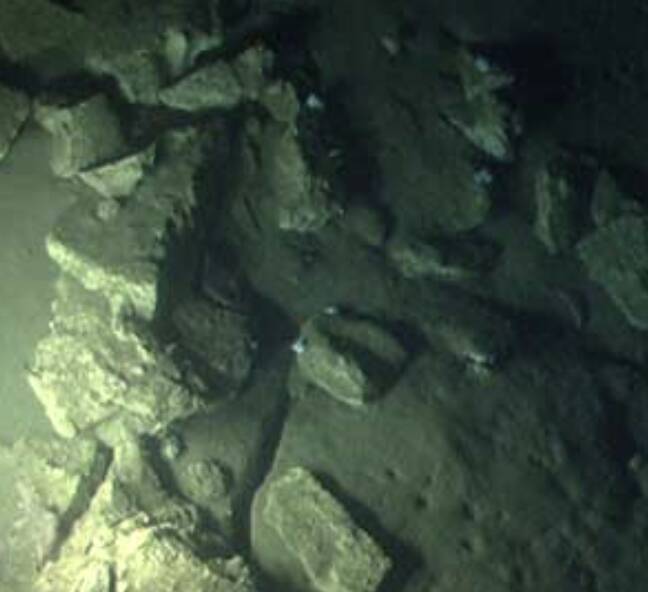
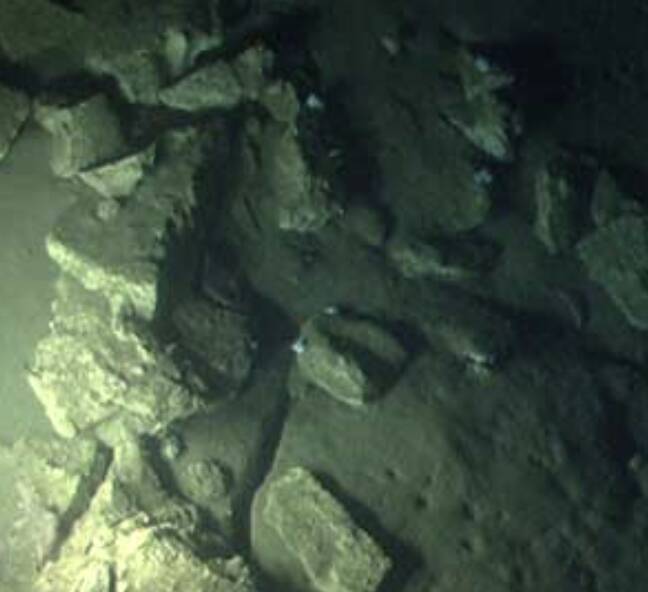
In a groundbreaking discovery, China has made a historic find off the coast of Laizhou, in Yantai, Shandong province. The country has discovered its first undersea gold deposit, which is also the largest in Asia. This remarkable find has sent shockwaves throughout the mining industry, with experts hailing it as a game-changer for China’s gold production. The discovery has lifted Laizhou’s total proven gold reserves to a staggering 3,900 tonnes, cementing China’s position as the world’s largest producer of gold ore.
According to reports, the undersea gold deposit is located off the coast of Laizhou, a city in the Shandong province of China. The discovery was made by a team of Chinese researchers and mining experts, who have been conducting extensive surveys and explorations in the area. The team used advanced technology and equipment to detect the presence of gold in the undersea deposits, and their findings have been confirmed by further analysis and testing.
The significance of this discovery cannot be overstated. China is already the world’s largest producer of gold ore, with an output of 377 tonnes in recent years. The addition of this undersea gold deposit is expected to further boost China’s gold production, making it an even more dominant player in the global gold market. The discovery is also expected to have a positive impact on the local economy, with the creation of new jobs and investment opportunities in the mining sector.
The undersea gold deposit is believed to be of high quality, with estimates suggesting that it could contain as much as 3,900 tonnes of gold. This is a significant amount, considering that the global gold market is valued in the trillions of dollars. The discovery of this undersea gold deposit is also expected to attract the attention of international investors, who will be keen to tap into the vast potential of China’s gold reserves.
The discovery of Asia’s largest undersea gold deposit is also a testament to China’s growing capabilities in the field of mining and exploration. The country has been investing heavily in research and development, with a focus on advanced technologies and equipment. This has enabled Chinese mining companies to explore new frontiers, including undersea deposits, which were previously inaccessible.
The implications of this discovery are far-reaching, with potential impacts on the global gold market and the economy as a whole. As China continues to dominate the gold market, other countries may need to reassess their own gold production and exploration strategies. The discovery of this undersea gold deposit is also expected to drive innovation and investment in the mining sector, as companies seek to develop new technologies and techniques for extracting gold from undersea deposits.
In conclusion, the discovery of Asia’s largest undersea gold deposit off the coast of Laizhou, in Yantai, Shandong province, is a significant milestone for China’s mining industry. The find has lifted Laizhou’s total proven gold reserves to more than 3,900 tonnes, cementing China’s position as the world’s largest producer of gold ore. As the country continues to explore and develop its gold reserves, it is likely to have a profound impact on the global gold market and the economy as a whole.
About the Author