Asia’s Largest Undersea Gold Deposit Discovered
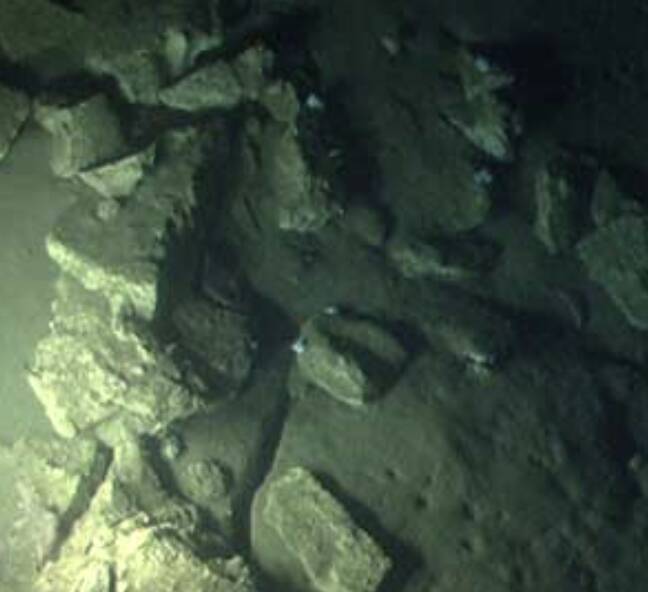
In a groundbreaking discovery, China has unearthed its first undersea gold deposit, which is also the largest in Asia, off the coast of Laizhou, in Yantai, Shandong province. This significant find has sent shockwaves of excitement throughout the mining industry, as it is expected to have a substantial impact on the country’s gold reserves. The discovery has lifted Laizhou’s total proven gold reserves to a staggering 3,900 tonnes, cementing China’s position as a major player in the global gold market.
The undersea gold deposit, located off the coast of Laizhou, is a game-changer for China’s gold mining industry. The country is already the world’s largest producer of gold ore, with an output of 377 tonnes. This new discovery is expected to further boost China’s gold production, solidifying its position as a leading gold-producing nation. The discovery of this undersea gold deposit is a testament to China’s commitment to exploring and harnessing its natural resources, and it is likely to have far-reaching implications for the country’s economy.
The discovery of the undersea gold deposit is the result of extensive exploration and research efforts by Chinese scientists and mining experts. The team used advanced technology and equipment to locate and map the deposit, which is believed to be one of the largest in the world. The deposit is located at a depth of approximately 2,000 meters, making it a challenging and complex operation to extract the gold. However, the potential rewards are substantial, and Chinese mining companies are already making plans to begin extraction operations.
The impact of this discovery on the global gold market is expected to be significant. China is already a major player in the gold market, and this new discovery is likely to increase its influence even further. The increased gold production from this undersea deposit is expected to put downward pressure on gold prices, making it more accessible to investors and consumers. This, in turn, could lead to an increase in gold demand, as more people are able to afford this precious metal.
The discovery of the undersea gold deposit is also expected to have a positive impact on the local economy. The city of Laizhou, where the deposit is located, is expected to experience significant economic growth as a result of the discovery. The extraction and processing of the gold are likely to create new job opportunities, stimulate local businesses, and increase government revenue. The discovery is also expected to attract new investment to the region, as mining companies and related industries look to capitalize on the newfound gold reserves.
In addition to the economic benefits, the discovery of the undersea gold deposit is also expected to have a positive impact on the environment. The use of advanced technology and equipment in the extraction process is expected to minimize the environmental impact of the operation. The Chinese government has also implemented strict regulations and guidelines to ensure that the extraction process is carried out in a responsible and sustainable manner.
The discovery of Asia’s largest undersea gold deposit is a significant achievement for China, and it highlights the country’s commitment to exploring and harnessing its natural resources. The discovery is expected to have far-reaching implications for the global gold market, the local economy, and the environment. As China continues to expand its gold mining operations, it is likely to remain a major player in the global gold market for years to come.
In conclusion, the discovery of the undersea gold deposit off the coast of Laizhou is a major breakthrough for China’s gold mining industry. The deposit, which is the largest in Asia, is expected to have a significant impact on the global gold market, the local economy, and the environment. As China continues to explore and harness its natural resources, it is likely to remain a major player in the global gold market, and this discovery is just the beginning of an exciting new chapter in the country’s gold mining history.
About the Author