Asia’s Largest Undersea Gold Deposit Discovered
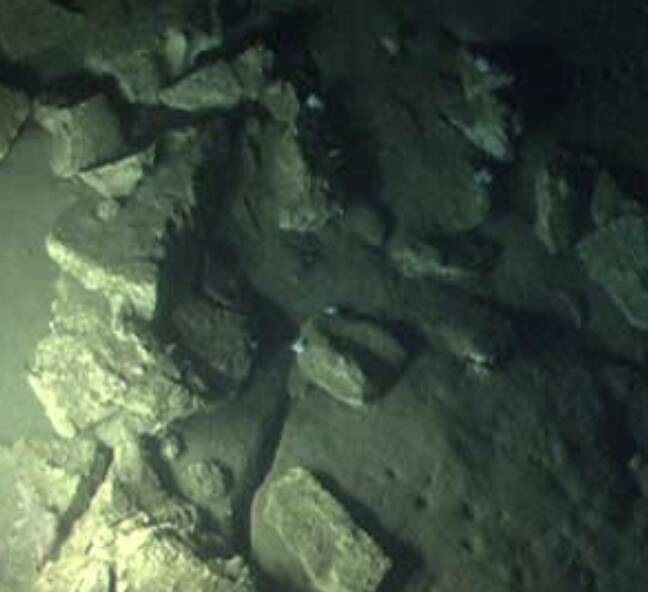
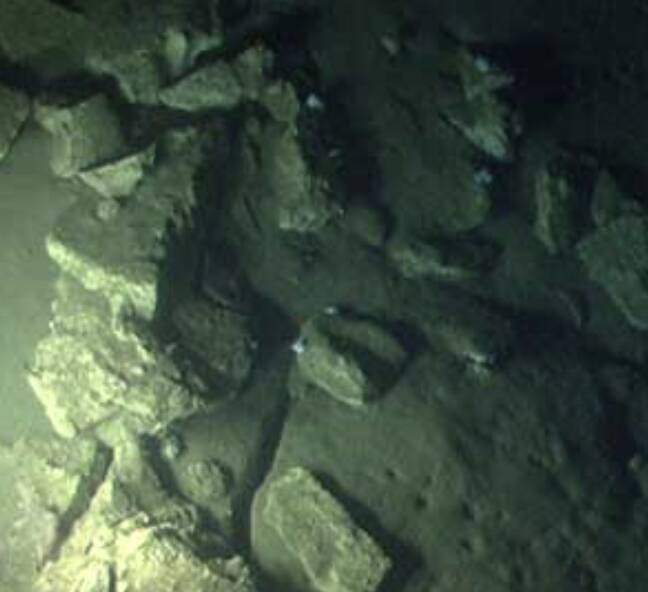
In a groundbreaking discovery, China has unearthed its first undersea gold deposit, which is also the largest in Asia, off the coast of Laizhou, in Yantai, Shandong province. This monumental find has sent shockwaves throughout the mining industry, and its implications are being felt across the globe. The discovery has lifted Laizhou’s total proven gold reserves to a staggering 3,900 tonnes, cementing China’s position as a major player in the global gold market.
According to reports, the undersea gold deposit is located in the Laizhou region, which is already known for its rich gold reserves. The discovery was made possible through a combination of advanced technology and rigorous exploration efforts. The Chinese government has been actively promoting the development of the country’s gold mining industry, and this latest find is a testament to the success of these efforts.
China is already the world’s largest producer of gold ore, with output reaching an impressive 377 tonnes. The country’s gold mining industry has been experiencing rapid growth in recent years, driven by increasing demand for gold both domestically and internationally. The discovery of the undersea gold deposit is expected to further boost China’s gold production, solidifying its position as a leading gold-producing nation.
The significance of this discovery cannot be overstated. The undersea gold deposit is not only the largest in Asia, but it also has the potential to become a major contributor to China’s gold reserves. The deposit is believed to contain a significant amount of gold, with estimates suggesting that it could yield hundreds of tonnes of gold ore. This would not only boost China’s gold production but also provide a significant economic stimulus to the region.
The discovery of the undersea gold deposit is also expected to have a positive impact on the local economy. The Laizhou region is already home to a number of gold mining operations, and the discovery of the undersea deposit is likely to attract even more investment to the area. This could lead to the creation of new jobs and economic opportunities, which would have a positive impact on the local community.
In addition to the economic benefits, the discovery of the undersea gold deposit also highlights the importance of technological innovation in the mining industry. The use of advanced technology, such as remotely operated vehicles (ROVs) and autonomous underwater vehicles (AUVs), has made it possible to explore and map the seafloor in unprecedented detail. This has opened up new opportunities for mineral exploration and discovery, and is likely to lead to further breakthroughs in the years to come.
The discovery of the undersea gold deposit is also a reminder of the vast mineral wealth that lies beneath the world’s oceans. The seafloor is home to a wide range of mineral deposits, including gold, copper, and zinc, which are waiting to be discovered and exploited. As technology continues to advance, it is likely that we will see more discoveries like this one, which will help to meet the world’s growing demand for minerals and metals.
In conclusion, the discovery of Asia’s largest undersea gold deposit is a significant milestone for China’s gold mining industry. The find has the potential to boost China’s gold production, provide a significant economic stimulus to the region, and highlight the importance of technological innovation in the mining industry. As the world’s largest producer of gold ore, China is well-positioned to take advantage of this discovery, and it will be interesting to see how the country’s gold mining industry continues to evolve in the years to come.
About the Author