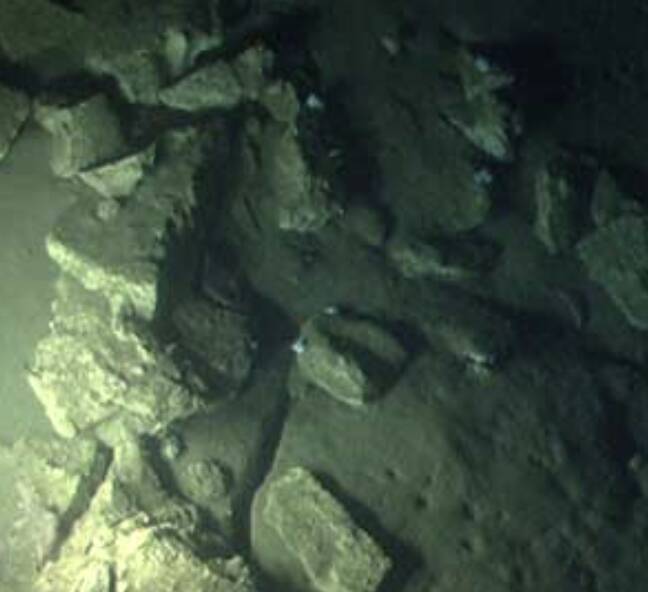
Asia’s Largest Undersea Gold Deposit Discovered
In a groundbreaking discovery, China has unearthed its first undersea gold deposit, which is also the largest in Asia, off the coast of Laizhou, in Yantai, Shandong province. This monumental finding has sent shockwaves throughout the mining industry, with Laizhou’s total proven gold reserves soaring to a staggering 3,900 tonnes. As the world’s largest producer of gold ore, China’s output reached an impressive 377 tonnes, further solidifying its position as a gold mining powerhouse.
The discovery of this undersea gold deposit is a testament to China’s relentless pursuit of natural resources and its commitment to advancing its mining technologies. The country’s dedication to exploring and extracting gold from the depths of the ocean has paid off, and this find is expected to have a significant impact on the global gold market.
The Significance of the Discovery
The undersea gold deposit, located off the coast of Laizhou, is a game-changer for China’s gold mining industry. With an estimated 3,900 tonnes of gold reserves, this discovery has catapulted Laizhou to the forefront of gold production in Asia. The sheer scale of this deposit is a boon for China’s economy, as it is expected to generate significant revenue and create new job opportunities in the region.
The discovery of this undersea gold deposit is also a testament to China’s advanced mining technologies. The country has been investing heavily in research and development, and this find is a direct result of those efforts. China’s ability to extract gold from the ocean floor is a significant achievement, and it is expected to pave the way for future undersea mining projects.
China’s Gold Mining Industry
China is the world’s largest producer of gold ore, and its gold mining industry has been experiencing rapid growth in recent years. The country’s gold output has been increasing steadily, with 377 tonnes of gold produced in 2020. This growth is attributed to China’s vast gold reserves, which are estimated to be around 8,400 tonnes.
China’s gold mining industry is dominated by state-owned enterprises, which are responsible for the majority of the country’s gold production. However, private companies are also playing an increasingly important role in the industry, with many investing heavily in gold mining projects.
The Future of Undersea Gold Mining
The discovery of Asia’s largest undersea gold deposit is expected to spark a new wave of interest in undersea gold mining. As technology continues to advance, it is likely that more undersea gold deposits will be discovered, and mining companies will be eager to tap into these resources.
Undersea gold mining is a relatively new and unexplored field, and it is expected to play an increasingly important role in the global gold market. As the world’s gold reserves continue to dwindle, mining companies will be forced to look to new and innovative ways to extract gold, and undersea mining is likely to be at the forefront of this effort.
Conclusion
The discovery of Asia’s largest undersea gold deposit off the coast of Laizhou, in Yantai, Shandong province, is a significant milestone for China’s gold mining industry. With Laizhou’s total proven gold reserves now exceeding 3,900 tonnes, this find is expected to have a profound impact on the global gold market. As China continues to advance its mining technologies and explore new frontiers, it is likely that the country will remain a dominant player in the gold mining industry for years to come.
About the Author