Scientists discover fossils of ancient sea cow species near Qatar
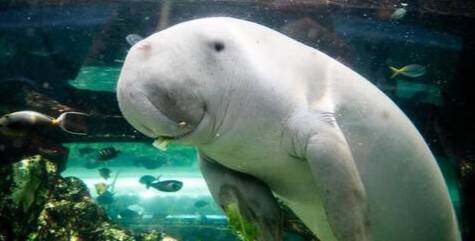
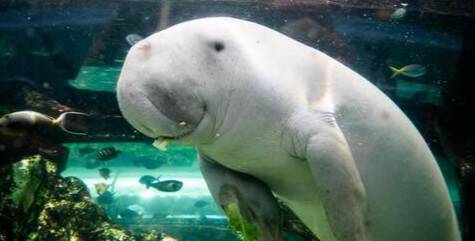
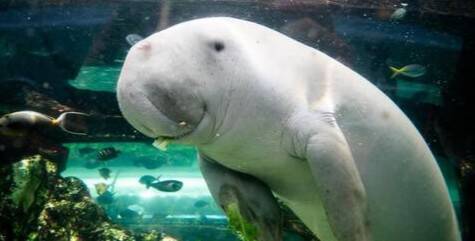
In a groundbreaking discovery, scientists have unearthed fossils of an unknown sea cow species near Qatar’s coastal waters. According to a report by Moneycontrol, the animal is believed to have lived millions of years ago in warm seas, and its body structure bears a striking resemblance to modern sea cows. This incredible find not only sheds light on the evolution of sea cows but also confirms that these marine mammals inhabited the Arabian waters and thrived in seagrass ecosystems for millions of years.
The discovery of the ancient sea cow species is a significant one, as it provides valuable insights into the history of these gentle giants. Sea cows, also known as dugongs, are large marine herbivores that are closely related to manatees and elephants. They are found in shallow, tropical waters and are known for their distinctive body shape, with a broad, flat tail and a pair of flippers. Despite their size, sea cows are remarkably agile and can be found in a variety of habitats, from coral reefs to seagrass beds.
The fossils discovered near Qatar are believed to be from a previously unknown species of sea cow, one that lived during a time when the Arabian Peninsula was still underwater. The discovery of these fossils is a testament to the region’s rich geological history and the importance of preserving our natural heritage. By studying these fossils, scientists can gain a better understanding of the evolution of sea cows and the ecosystems in which they lived.
One of the most significant aspects of this discovery is the confirmation that sea cows lived in the Arabian waters millions of years ago. This is a major finding, as it suggests that these marine mammals were able to thrive in the region’s warm, shallow waters. The presence of sea cows in the Arabian waters also implies that seagrass ecosystems existed in the region for millions of years, providing a habitat for these large marine herbivores.
Seagrass ecosystems are some of the most diverse and productive ecosystems on the planet, providing a home for a wide range of marine life, from fish and crustaceans to dolphins and manatees. These ecosystems are also incredibly important for the health of our oceans, as they help to filter out pollutants and sediments, and provide a nursery for many marine species. The discovery of ancient sea cow fossils in Qatar highlights the importance of preserving these ecosystems, not just for the benefit of sea cows, but for the entire marine ecosystem.
The discovery of the ancient sea cow species is also a reminder of the importance of continued exploration and research into our planet’s natural history. By studying fossils and other geological formations, scientists can gain a better understanding of the evolution of life on Earth and the ecosystems that support it. This knowledge is essential for preserving our natural heritage and ensuring the long-term health of our planet.
In conclusion, the discovery of fossils of an ancient sea cow species near Qatar is a significant finding that sheds light on the evolution of these marine mammals and the ecosystems in which they lived. The confirmation that sea cows lived in the Arabian waters millions of years ago and that seagrass ecosystems existed in the region for millions of years is a major breakthrough, highlighting the importance of preserving these ecosystems for future generations. As we continue to explore and learn more about our planet’s natural history, we are reminded of the importance of preserving our natural heritage and protecting the delicate balance of our ecosystems.
About the Author