Scientists discover fossils of ancient sea cow species near Qatar
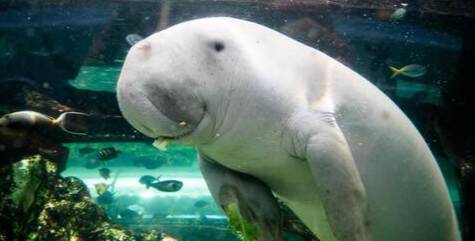
In a groundbreaking discovery, scientists have unearthed fossils of an unknown sea cow species near Qatar’s coastal waters. According to a report by Moneycontrol, the ancient animal lived millions of years ago in warm seas, and its body structure bears a striking resemblance to modern sea cows. This remarkable finding confirms that sea cows once inhabited the Arabian waters and that seagrass ecosystems have been supporting large marine herbivores for millions of years.
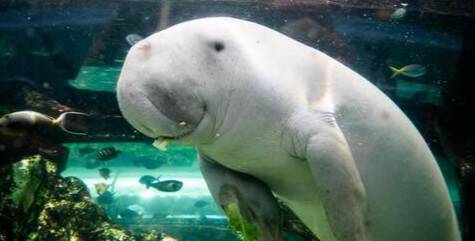
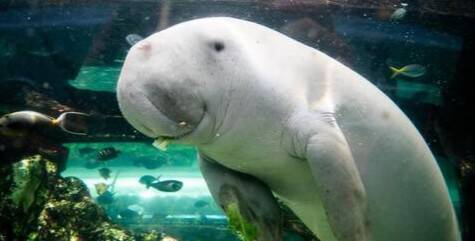
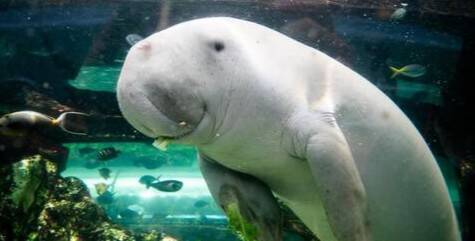
The discovery of the ancient sea cow species has sent shockwaves of excitement throughout the scientific community, as it provides a unique glimpse into the evolutionary history of these fascinating creatures. Sea cows, also known as dugongs or Steller’s sea cows, are large marine mammals that feed on seagrass and other marine vegetation. They are found in warm, shallow waters in various parts of the world, including the Arabian Gulf, Australia, and Southeast Asia.
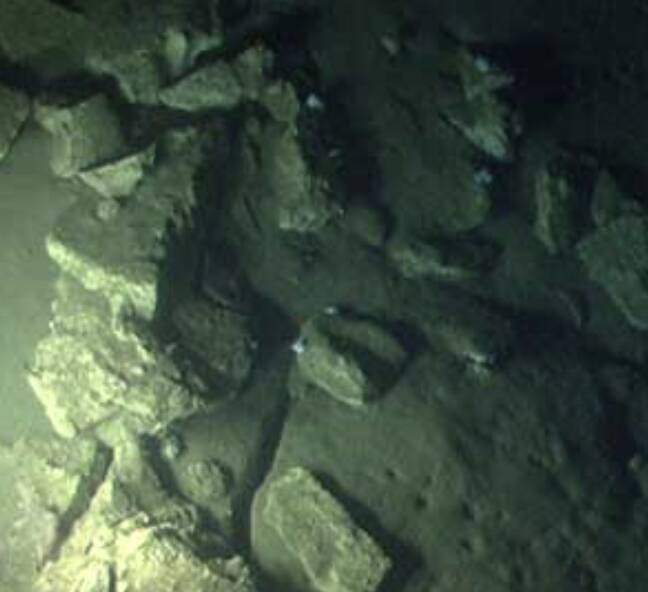
The fossils discovered near Qatar’s coastal waters are believed to be from a previously unknown species of sea cow that lived during the Paleogene period, around 30-40 million years ago. The fossils were found in a layer of rock that dates back to this period, and they include remains of the animal’s skull, vertebrae, and ribs. The discovery was made by a team of scientists from the Qatar Museum of Natural History, who were conducting a survey of the country’s coastal waters.
The scientists were thrilled to discover that the fossilized remains of the ancient sea cow species showed a remarkable similarity to those of modern sea cows. The animal’s body structure, including its distinctive tail and flippers, was almost identical to that of its modern counterparts. This suggests that the evolution of sea cows has been a relatively slow process, with the animals changing very little over millions of years.
The discovery of the ancient sea cow species has significant implications for our understanding of the evolutionary history of these creatures. It confirms that sea cows have been living in the Arabian waters for millions of years, and that they have been an important part of the region’s marine ecosystem. The finding also highlights the importance of seagrass ecosystems in supporting large marine herbivores, and the need to protect these ecosystems from human activities such as coastal development and pollution.
Seagrass ecosystems are found in shallow, coastal waters in tropical and subtropical regions around the world. They are characterized by the presence of seagrass, a type of marine grass that provides food and shelter for a wide range of marine animals, including sea cows, turtles, and fish. Seagrass ecosystems are considered to be one of the most important and diverse ecosystems on the planet, and they play a critical role in maintaining the health of the world’s oceans.
The discovery of the ancient sea cow species near Qatar’s coastal waters is a significant reminder of the importance of preserving these ecosystems for future generations. It highlights the need for conservation efforts to protect seagrass ecosystems and the animals that depend on them, including sea cows, turtles, and fish. The finding also underscores the importance of continued scientific research and exploration, as there is still much to be learned about the evolution and ecology of these fascinating creatures.
In conclusion, the discovery of fossils of an ancient sea cow species near Qatar’s coastal waters is a groundbreaking finding that sheds new light on the evolutionary history of these fascinating creatures. The discovery confirms that sea cows have been living in the Arabian waters for millions of years, and that seagrass ecosystems have been supporting large marine herbivores for just as long. As we continue to learn more about these incredible animals and the ecosystems they inhabit, we are reminded of the importance of preserving our planet’s natural wonders for future generations.
News source: https://www.moneycontrol.com/science/lost-sea-cow-species-emerges-from-qatar-s-ancient-seas-article-13735607.html/amp
About the Author